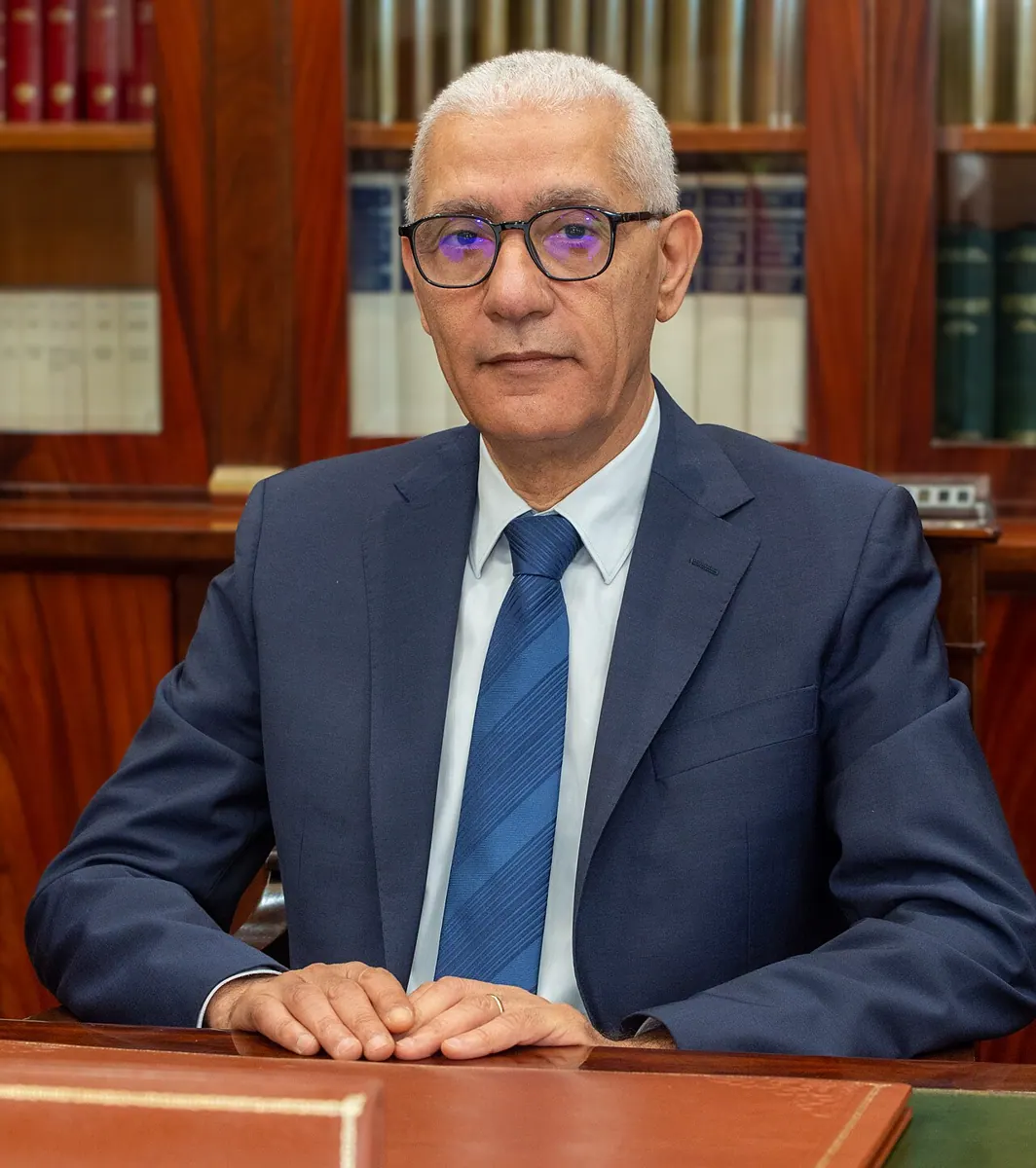
Morocco's Tétouan constituency witnessed a significant reshuffle in its parliamentary representation following the September 23 elections. Rachid Talbi Alami, candidate for the National Rally of Independents (RNI), secured the top spot with 12,836 votes. He was followed by Ahmed Boukhobza of the Justice and Development Party (PJD) with 11,909 votes, and Arabi Ahنين of the Authenticity and Modernity Party (PAM) with 9,852 votes.
The elections saw some notable losses, including that of Hamid Derak of the Socialist Union of Popular Forces (USFP), who failed to secure a seat with only 2,435 votes. Similarly, Noor Eddine Harrouchi of the Constitutional Union Party (UC) lost his seat with a mere 1,422 votes. In contrast, newcomers like Zohair Rkane of the Progress and Socialism Party (PPS) made a strong showing, securing 3,592 votes and finishing sixth.
The election results revealed that the rural areas of Tétouan's constituency played a crucial role in determining the outcome. The participation rate in these areas was around 29%, with the RNI and PJD maintaining their lead. According to informed sources, the internal divisions within the USFP and UC contributed significantly to their poor performance.
The USFP's internal divisions led to several prominent leaders leaving the party to support other candidates. This, coupled with the UC's failure to garner sufficient support from its traditional voters, ultimately led to their loss of seats. Meanwhile, parties like the PAM and the Popular Movement (MP) made gains, with the latter's Ibrahim Ben nsibah securing 7,034 votes.
The results also highlighted the emergence of new faces in Moroccan politics. Is'haq Charia, Secretary General of the Moroccan Liberal Party, finished with 2,563 votes, despite his party not securing a seat. His campaign, which focused on criticizing the major parties, resonated with some voters.
Analysts noted that the competition between the major parties was intense, leaving little room for smaller parties to gain traction. The significant changes in the Tétouan constituency included the decline of the Istiqlal Party and the loss of seats by the UC and USFP. These losses were offset by gains from parties like the PAM and the PPS.
The outcome of the Tétouan elections reflects broader trends in Moroccan politics, where established parties continue to dominate the landscape. However, the emergence of new faces and the shifting dynamics within parties suggest that the country's political scene is evolving. The final results saw five seats being allocated to the RNI, PJD, PAM, MP, and Istiqlal Party.
Key points
- The National Rally of Independents maintained its lead in the Tétouan constituency.
- The Justice and Development Party came in second, despite some losses for other established parties.
- The elections highlighted the emergence of new faces in Moroccan politics and shifting party dynamics.