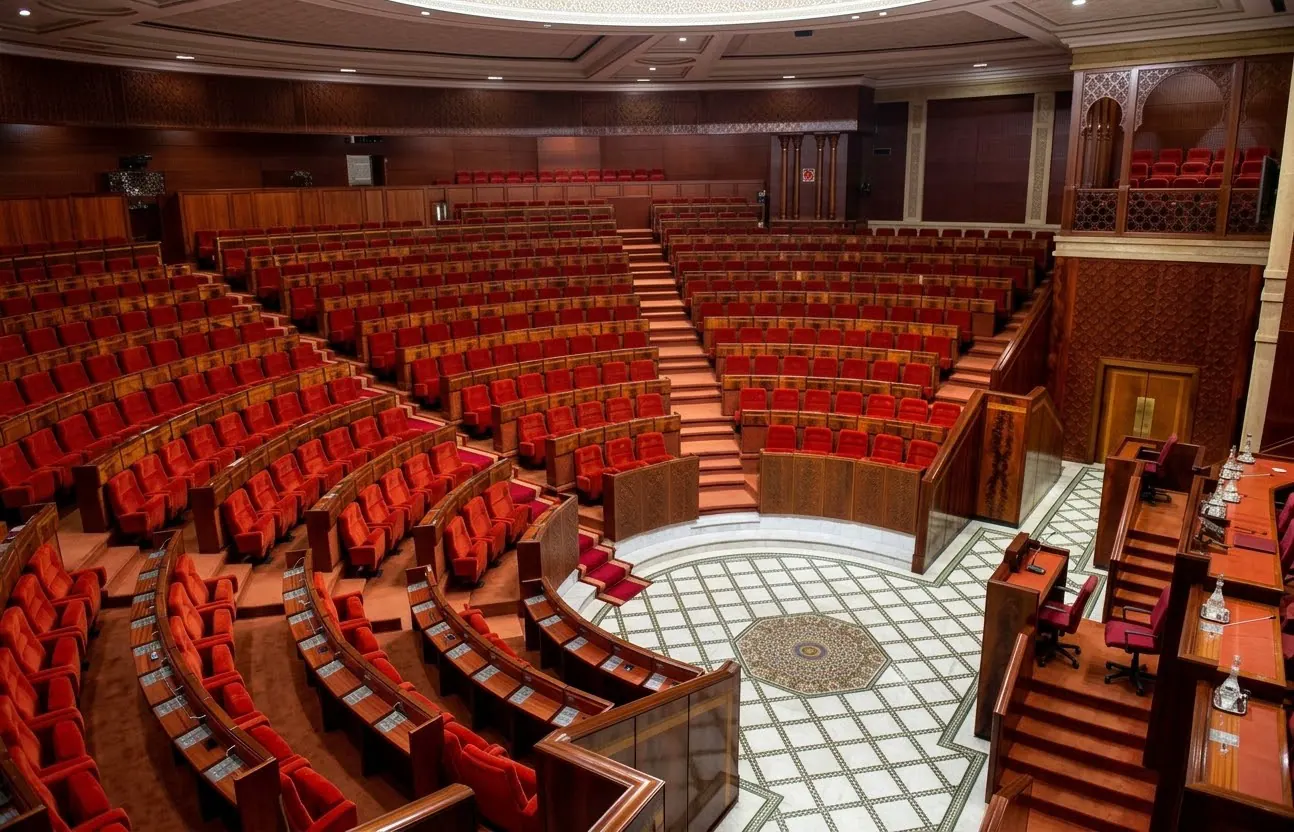
Morocco's political landscape has shifted with the PAM party emerging as the leading force in recent elections. After 18 years since its inception, the party has secured a significant position, enabling it to potentially lead the government. This development marks a crucial milestone for the PAM party, which was formed in 2008 from the "Movement for All Democrats." However, the party's success is accompanied by substantial challenges, particularly in forming a stable government coalition.
The PAM party's path to government leadership is complicated by Morocco's electoral system, which is based on proportional representation. This system typically prevents any single party from achieving an absolute majority, necessitating coalition-building. The PAM party must navigate complex negotiations to establish a cohesive alliance, choosing between traditional allies or exploring new partnerships. A significant question is whether the party can put aside past differences with potential coalition partners.
Several scenarios are being considered by the PAM party to form a government coalition. One possibility is renewing its alliance with the National Rally of Independents (RNI), with which it had a previous working relationship. However, this option is complicated by the competitive nature of their past electoral interactions. Another scenario involves seeking new traditional allies, such as the Independence Party or the Socialist Union of Popular Forces. This approach could provide a stable and ideologically coherent coalition.
The PAM party is also considering unconventional alliances, including a potential rapprochement with its historical rival, the Justice and Development Party (PJD). This option is seen as highly speculative and risky due to significant ideological and organizational differences between the two parties. Alternatively, the PAM party might opt for a broad, multi-component coalition to ensure numerical stability in parliament, although this could lead to challenges in coordination and decision-making.
The PAM party faces additional challenges, including time constraints and the need to deliver on its electoral promises. The party's electoral program, which includes improving purchasing power, is expected to form the basis of its government agenda. However, translating these promises into actionable policies and legislation will require effective coalition management and negotiation.
The formation of the government will also be influenced by the reactions of other political parties and stakeholders. The election results have confirmed the PAM party's position as a leading force, but also highlighted the significant presence of other parties, including the PJD. The coming days will be crucial in determining the contours of the new government and the alliances that will support it.
As Morocco's political leaders work to form a new government, the country is also engaged in other significant developments. These include diplomatic efforts, such as the recent decision by Peru to open a consulate in Dakhla, which reflects growing international support for Morocco's sovereignty. Domestically, attention is focused on addressing electoral irregularities and ensuring the smooth operation of the country's institutions.
Key points
- The PAM party's ability to form a stable government coalition will be crucial to its success in leading the Moroccan government.
- The party faces significant challenges, including time constraints and the need to deliver on its electoral promises.
- The formation of the government will have important implications for Morocco's political landscape and its ability to address key economic and social issues.