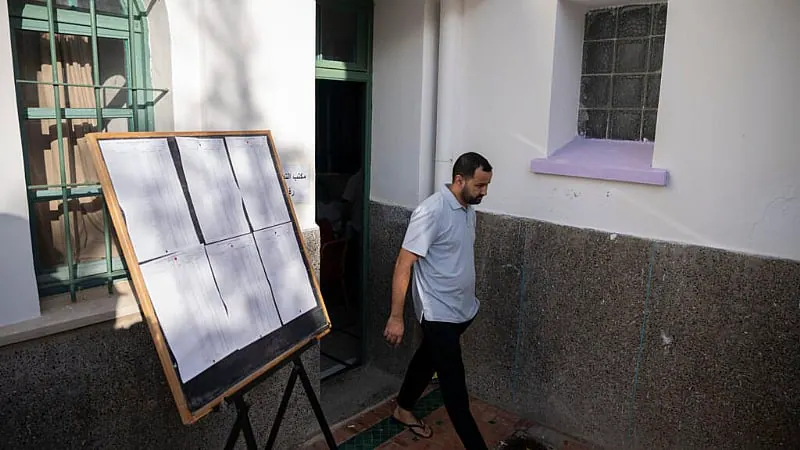
Morocco's legislative elections, held on September 23, 2026, saw the Party of Authenticity and Modernity (PAM) emerge as the leading party with 115 seats. The elections were marked by a record-low voter turnout of 38 percent, the lowest in almost two decades. The low turnout has raised concerns about voter apathy, particularly among the youth, who are frustrated with the country's socio-economic issues, including unemployment and inequality.
The National Rally of Independents (RNI), which heads the outgoing coalition, came in second with 66 seats, followed by the right-wing Istiqlal party with 65 seats. The Islamist opposition's Justice and Development Party took 54 seats. The elections saw nearly 16 million registered voters, but many voiced frustrations about the country's pressing issues ahead of the polls. The low turnout has sparked concerns that the government may not be representative of the people's will.
The elections came less than two months after a mass migration crisis, where tens of thousands of mainly young Moroccans rushed into the Spanish enclave of Ceuta. The crisis highlighted the country's struggle with youth unemployment and social issues. Only about four percent of registered voters were aged 18 to 24, raising concerns that the youth are disconnected from the political process.
Many voters expressed disillusionment with the political class, citing a lack of faith in the government's ability to address their concerns. "I'm not going to vote because I have lost all faith in the political class," said Majda Bakatir, a 59-year-old woman from Rabat. Others, like 55-year-old Karim Ennaciri, did vote, hoping that the election would bring about change. "This will allow us to see if there's a renewal within the parties," he said.
Despite the downbeat voter sentiment, Morocco has posted economic growth and is ramping up major infrastructure projects as it prepares to co-host the 2030 World Cup alongside Spain and Portugal. However, this may have also contributed to the disillusionment, as some view the World Cup bid as out of step with the kingdom's socio-territorial priorities, including failing public services and high unemployment.
The PAM has recruited popular figures, including Budget Minister Fouzi Lekjaa, who has pledged higher wages and better purchasing power. However, the party has also been hit by a corruption scandal, with two senior figures sentenced to prison in a major drug-trafficking case. The RNI and PAM are ideologically close and were founded by figures with ties to the royal palace.
Morocco's prime minister is appointed by the king from the party that wins the most seats. The premier then forms a government for a five-year term, but the monarch retains control of major policy decisions. Prime Minister Aziz Akhannouch has defended his government's record, including expanding social security coverage, and promised the RNI will do more if re-elected.
Key points
- The PAM party leads in legislative elections with 115 seats.
- The elections saw a record-low voter turnout of 38 percent.
- The low turnout has raised concerns about youth apathy and socio-economic issues.