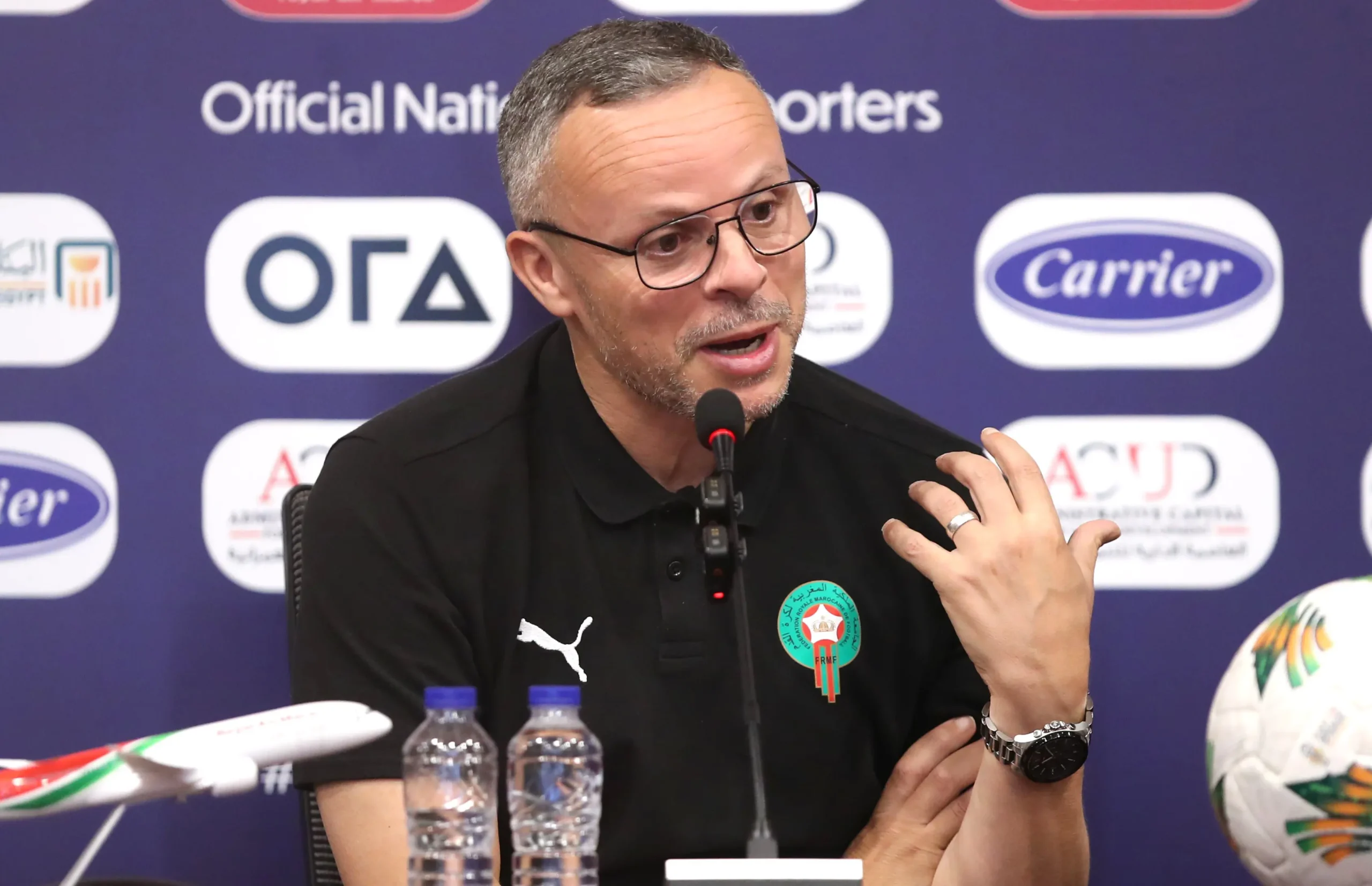
Morocco head coach Mohamed Ouahbi has called for more efficient use of international windows, citing challenges in preparing players between travel, matches, and recovery. Speaking at the CAF strategy conference in Cape Verde, Ouahbi highlighted the difficulties national teams face during these periods. He noted that long-distance travel can significantly reduce the time available for technical and tactical work. This issue was experienced by Morocco during a recent gathering, where logistical constraints forced the staff to revise the schedule.
Ouahbi used the example of Morocco's travel to South Africa to illustrate the challenges. A round trip can take around 12 hours, making it difficult to organize four matches within the same period while allowing players sufficient time to train and recover. He argued that longer camps can improve the quality of preparation, as players have more time to understand and apply the staff's tactical instructions. This sentiment was echoed by Arsène Wenger, FIFA's Chief of Global Football Development, who raised concerns about the workload of national-team coaches during short periods.
Video analysis has become a crucial part of Morocco's preparation, alongside work on the training pitch. Ouahbi emphasized the importance of finding opponents that serve the team's sporting objectives. He stressed that Morocco needs matches against strong national teams, as high-level opposition provides a better test for players and allows the technical staff to evaluate their progress under more demanding conditions.
The discussion took place on the final day of CAF's Strategy Conference in Santa Maria, Sal Island. The three-day event, held from October 7 to 9, brought together football officials, national-team coaches, and international experts. They reviewed lessons from the 2026 World Cup and discussed priorities for African football in the years ahead.
Ouahbi's comments reflect the challenges faced by national teams in preparing for international matches. The Morocco coach's call for more efficient international windows and stronger friendly opposition highlights the need for improvement in these areas. This is particularly important for teams like Morocco, which aim to compete at the highest level.
The CAF strategy conference provided a platform for coaches and officials to share their experiences and discuss solutions to common challenges. Ouahbi's participation in the conference demonstrates Morocco's commitment to improving its national teams. The event concluded with a better understanding of the issues and potential solutions.
The conference outcome may lead to changes in how international windows are utilized and how friendly matches are arranged. For Morocco and other national teams, these changes could have a significant impact on their preparation and performance. The discussion on efficient international windows and stronger friendlies will likely continue in the lead-up to future international competitions.
Key points
- Morocco head coach Mohamed Ouahbi calls for more efficient use of international windows and stronger friendly opposition.
- Ouahbi cites challenges in preparing players between travel, matches, and recovery during international windows.
- The CAF strategy conference in Cape Verde brought together football officials, national-team coaches, and international experts to discuss priorities for African football.