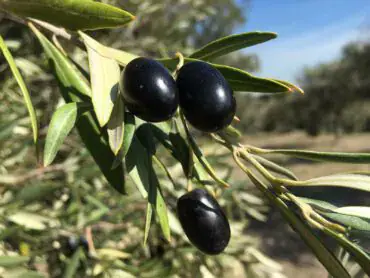
Morocco's olive oil sector is facing a significant crisis, with production dropping by 30-40% this season, according to the Moroccan Interprofessional Federation for Olive Oil (INTERPROLIVE). The federation has expressed concerns about the situation, warning that it could have serious economic and social implications for the sector. The decline in production has not been offset by improved marketing conditions, with weak demand and slow purchasing activity in the markets.
The weak demand and slow purchasing activity have led to lower prices in some production areas, making it difficult for producers to cover their production and harvesting costs. The situation is further complicated by the rising cost of seasonal labor, which is scarce and difficult to secure in a timely manner. This has increased the financial burden on producers, making it challenging for them to continue their agricultural activities.
The crisis is not limited to producers, as industrial units involved in olive oil production and processing are also facing difficulties. These units are struggling with slow markets, weak demand, and stockpiling issues, making it hard for them to sell their products. The federation has also highlighted the limited incentives for export support and the lack of competitiveness of Moroccan products in international markets.
The federation has called on public authorities and partners to take urgent measures to improve the marketing of the crop and ensure prices that cover production and harvesting costs. They are also seeking solutions to the seasonal labor shortage, including encouraging mechanization and supporting the purchase of harvesting equipment.
The federation has also requested easier access to financing for industrial units and support for managing stockpiles and securing raw materials. They are advocating for enhanced export incentives and improved competitiveness of Moroccan products, as well as the implementation of commitments under the contract-program.
The federation has emphasized the need for better market organization and a more effective information system, including production, stockpiles, prices, and market needs. They are calling for the involvement of professional organizations and regional representations in consultation and decision-making mechanisms.
If the crisis persists without effective intervention, it could lead to further instability for producers, weaken the sector's industrial and investment capacity, and threaten jobs and the value added by the olive oil sector. The federation is urging the authorities to open an urgent dialogue to develop integrated measures that ensure the sustainability of the sector and enhance its competitiveness.
Key points
- Morocco's olive oil production has dropped by 30-40% this season.
- The sector is facing a crisis due to weak demand and slow purchasing activity.
- The federation is calling for urgent measures to support the sector, including improved marketing, financing, and export incentives.