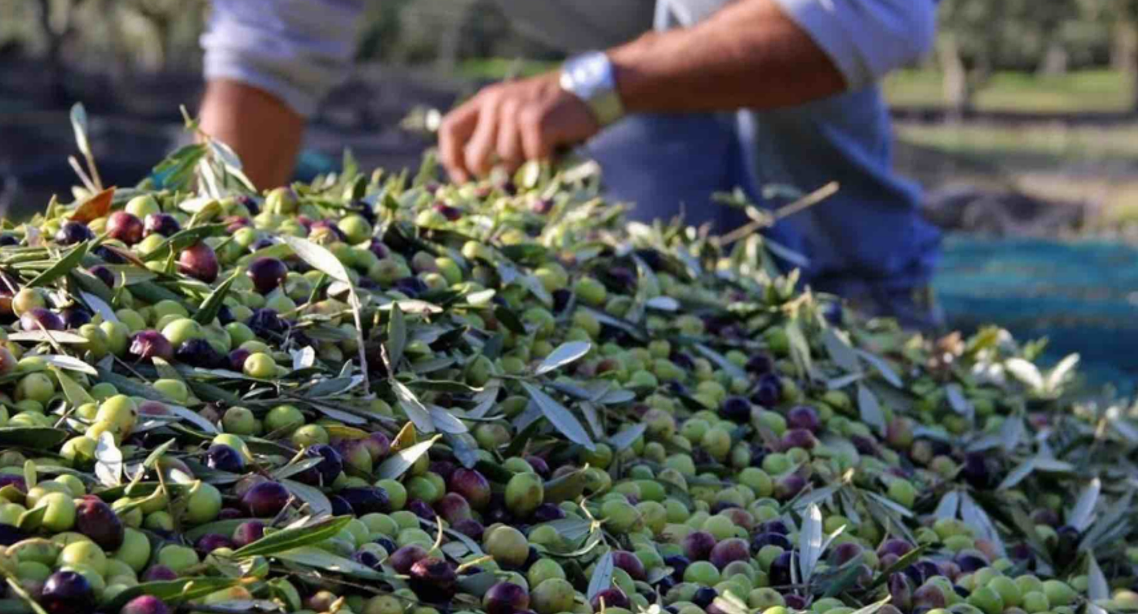
The olive harvest season in Morocco, which usually begins in October, is facing significant challenges this year. The country's olive growers are struggling with persistent heatwaves that have been affecting agricultural ecosystems, casting a shadow over the harvest. The extreme temperatures have been damaging the crops, impacting not only the expected volumes but also the intrinsic quality of the fruits. Despite earlier encouraging forecasts, the climate has proven to be a major obstacle.
The heatwaves have been a major concern for olive growers, with the temperatures continuing to rise and affecting the maturation process of the olives. Although recent rains have provided some relief to the water resources, they have not brought any respite from the heat for the trees. As a result, olive growers are turning to technical solutions, such as targeted nutrient supply and expert advice from agronomists, to mitigate the effects of the climate.
However, the heat is not the only challenge facing olive growers in Morocco. A severe labor shortage has become a major concern, affecting the entire production chain. The shortage of workers has led to a significant increase in wages, making it difficult for growers to recruit the necessary labor. This has created a climate of uncertainty and caution among traders and intermediaries, who are hesitant to engage in the market.
The labor shortage has also led to a reliance on female labor, which has helped to mitigate the effects of the shortage. However, experts believe that the future of the olive sector lies in the structuring, training, and professionalization of the workforce. The sector needs to adapt to the changing climate and labor market to ensure its survival.
The impact of the heatwaves and labor shortage on the olive harvest is significant, with the quality and quantity of the produce being affected. The olive sector is a crucial part of Morocco's economy, and any disruption to production can have far-reaching consequences. The government and other stakeholders need to work together to find solutions to these challenges.
The olive sector in Morocco is at a critical juncture, with the heatwaves and labor shortage posing significant challenges to production. The sector needs to adopt new strategies and technologies to mitigate the effects of the climate and labor market. This includes investing in irrigation systems, improving labor conditions, and providing training and support to growers.
The future of Morocco's olive sector depends on its ability to adapt to the changing climate and labor market. The sector needs to prioritize sustainability, quality, and innovation to remain competitive in the global market. With the right strategies and investments, Morocco's olive sector can overcome the current challenges and continue to thrive.
Key points
- The olive harvest in Morocco is threatened by persistent heatwaves and a severe labor shortage.
- The sector needs to adopt new strategies and technologies to mitigate the effects of the climate and labor market.
- The future of Morocco's olive sector depends on its ability to adapt to the changing climate and labor market.