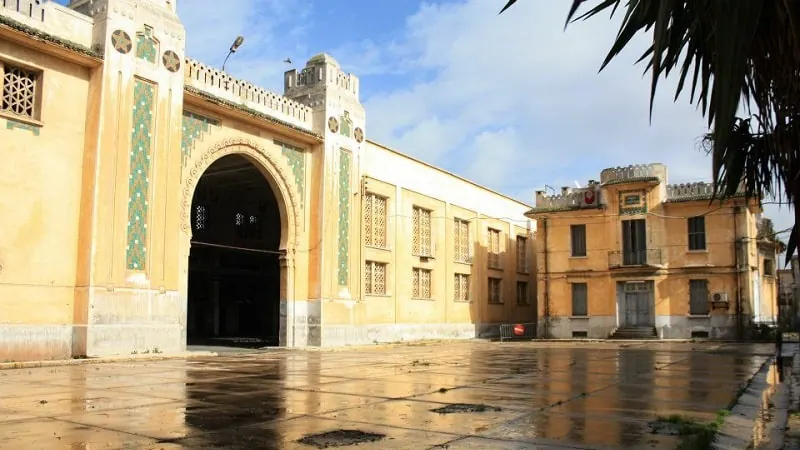
The former slaughterhouses in Morocco's Hay Mohammadi area, also known as the "ville blanche," once played a significant role in the local community. Over time, these facilities have undergone changes in their use. Initially, they served as a hub for the meat industry, but after being closed, they were later occupied by artists. The transformation of these old slaughterhouses reflects the evolving needs and priorities of the community.
The old slaughterhouses were a key part of Hay Mohammadi's daily life. As reported by L'Opinion, a Moroccan news source, the facilities are now set to change their purpose once again. While the details of their new use are not specified, the transformation is part of a larger trend of repurposing historic sites in Morocco. This shift is likely to have a significant impact on the local community.
The history of the slaughterhouses dates back several decades. During their operational years, they were an essential part of the local meat industry. After being shut down, the facilities were left vacant for a period. The artistic community eventually took over the spaces, utilizing them for creative purposes. This change allowed the community to breathe new life into the abandoned buildings.
The transformation of the old slaughterhouses is not an isolated incident. Many cities around the world are redeveloping historic sites to meet the changing needs of their communities. In Morocco, this trend is also evident, with various initiatives aimed at preserving cultural heritage while promoting urban development. The redevelopment of the slaughterhouses is part of this broader effort.
L'Opinion reported on the story, providing insights into the history and future of the old slaughterhouses. According to the publication, the facilities are set to undergo another change in their use. While the specifics of the new purpose are not provided, the development is expected to have a significant impact on the local community.
The transformation of the old slaughterhouses reflects the dynamic nature of urban development. As cities evolve, their infrastructure and public spaces must adapt to meet changing community needs. In Hay Mohammadi, the redevelopment of the slaughterhouses is an example of this process. The community will likely benefit from the new use of the facilities.
The story of the old slaughterhouses serves as a testament to the importance of preserving cultural heritage while promoting urban development. As Morocco continues to grow and evolve, its historic sites will play a significant role in shaping the country's future. The transformation of the old slaughterhouses is just one example of this ongoing process.
Key points
- The old slaughterhouses in Morocco's Hay Mohammadi area are undergoing another change in their use.
- The facilities were initially used for the meat industry, then occupied by artists.
- The redevelopment of the slaughterhouses reflects the evolving needs and priorities of the community.