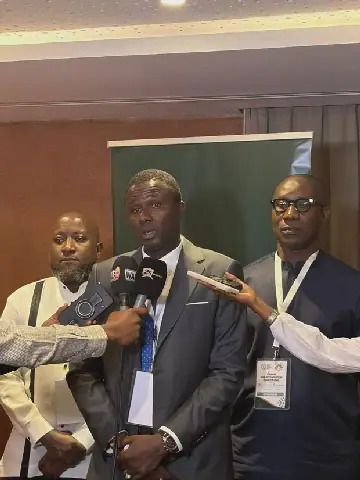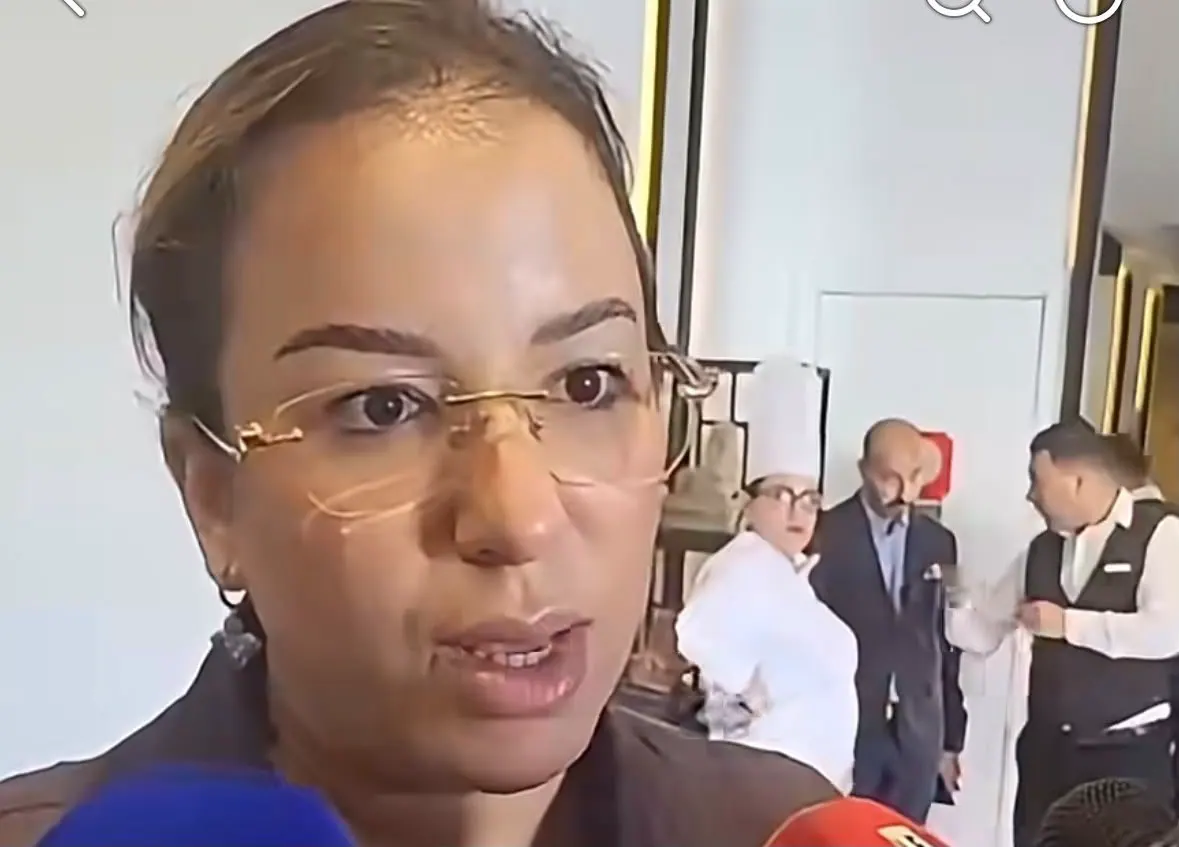
Morocco's newly appointed Prime Minister, who was tasked with forming a new government, has outlined conditions for ministerial appointments. The Prime Minister emphasized the need for a government with high political acumen and the ability to navigate complex issues. According to sources, the Prime Minister's conditions include a thorough review and evaluation of each proposed appointment. This move is seen as an effort to create a more effective and efficient government.
One of the proposed appointments that has sparked controversy is that of Najwa Koukous, a lawyer who has been nominated for a ministerial position. Critics argue that Koukous lacks experience in the field of law and has no prior experience in government. Furthermore, Koukous has been involved in several high-profile controversies, including a public feud with the Saudi monarch in 2015. Her appointment has raised concerns about the government's commitment to merit-based appointments.
Another proposed appointment that has faced criticism is that of "Abbakari," a young man who has been nominated for a government position. Critics argue that Abbakari lacks experience and has no notable achievements to his name. His appointment has been seen as a case of nepotism, with some accusing the Prime Minister of favoring family members and close associates.
The proposed appointment of Hicham Sabri, a former government official, has also faced criticism. Sabri has been accused of lacking the necessary skills and experience for his proposed role. His statements have also been criticized for revealing a lack of understanding of the country's complex social issues.
Adil Bitar, a notary who has been nominated for a government position, has also faced scrutiny. Bitar has been criticized for his lack of experience in government and his limited achievements as a notary. His appointment has raised concerns about the government's commitment to appointing qualified and experienced individuals.
The controversy surrounding the proposed ministerial appointments has sparked concerns about the government's commitment to transparency and merit-based appointments. Critics argue that the appointments reflect a broader problem of cronyism and nepotism in Moroccan politics.
The Prime Minister's office has yet to comment on the controversy surrounding the proposed appointments. However, sources close to the government have indicated that the Prime Minister is committed to forming a government that is transparent and accountable to the Moroccan people.
Key points
- The proposed ministerial appointments have sparked controversy over concerns of nepotism and a lack of experience.
- Critics argue that the appointments reflect a broader problem of cronyism and nepotism in Moroccan politics.
- The Prime Minister's office has yet to comment on the controversy surrounding the proposed appointments.