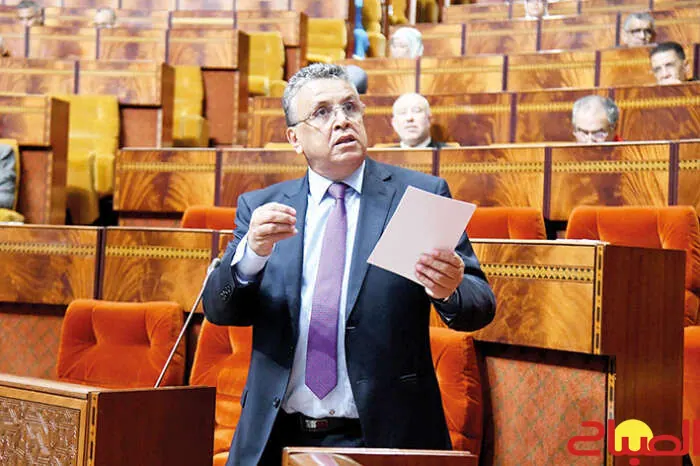
Morocco's expected new government is set to tackle a crucial legislative file: the reform of the country's penal code. This issue has sparked intense debate and societal discussion over the years due to its complex implications and disagreements on several aspects. The penal code reform aims to modernize the country's legal framework, adapting it to international standards and Morocco's evolving societal values.
The penal code has been a contentious issue, with various stakeholders, including human rights groups, political parties, and civil society organizations, voicing their concerns and demands. The reform process is expected to address issues related to individual freedoms, criminalization of certain acts, and penalties. The government's approach to this file will likely be closely watched, as it will be seen as a test of its commitment to democratic reforms and human rights.
According to sources close to the matter, the government's discussions on the penal code reform have been ongoing, with various proposals and scenarios being considered. However, no official details have been released on the specific changes being contemplated or the timeline for implementing the reforms. The complexity of the issue and the need for consensus among different stakeholders are likely to make the reform process challenging.
The Moroccan government has previously acknowledged the need to reform the penal code, citing its importance in promoting human rights and the rule of law. In 2019, the government established a commission to review the penal code and propose amendments. However, the commission's work was delayed, and its recommendations have yet to be made public. The new government's approach to this file will be closely watched, both domestically and internationally.
Human rights groups and civil society organizations have been actively engaged in the debate on penal code reform, pushing for changes that would bring the code in line with international human rights standards. They have highlighted issues such as the criminalization of certain acts, the use of torture, and the protection of individual freedoms. The government is expected to take these concerns into account as it moves forward with the reform process.
The reform of the penal code is also seen as an opportunity for Morocco to demonstrate its commitment to democratic values and human rights. The country has made significant progress in recent years in promoting democracy and the rule of law, but challenges remain. The government's handling of the penal code reform will be seen as a test of its resolve to push forward with democratic reforms and address long-standing human rights concerns.
As the new government prepares to tackle the penal code reform, it will need to balance competing demands and interests. The process will likely be complex and challenging, requiring careful consideration of various perspectives and proposals. The outcome will have significant implications for Morocco's human rights landscape and its democratic development.
Key points
- The Moroccan government faces a significant challenge in reforming the country's penal code, balancing individual freedoms with opposition demands.