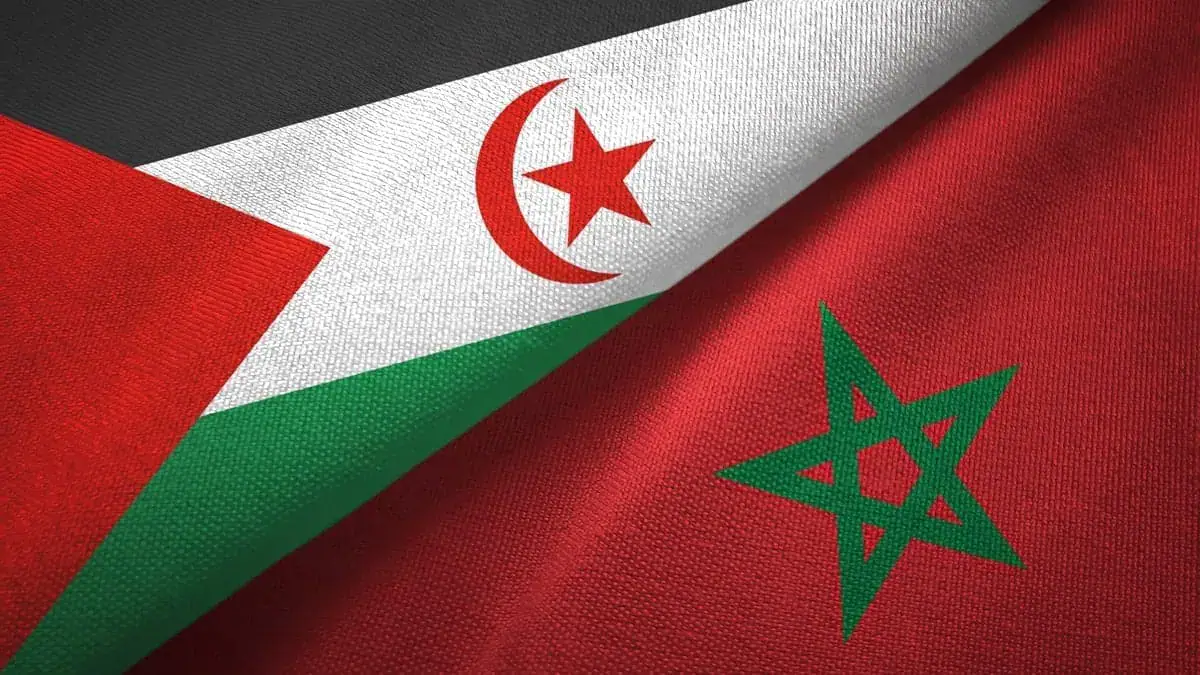
The Moroccan government has declared that the UN's involvement in the Western Sahara conflict is coming to an end, following a vote by the Security Council on October 30, 2026. According to a statement by the Royal Cabinet, the non-renewal of the MINURSO mission's mandate signifies the end of the UN's role in the conflict. However, experts argue that this move does not necessarily mean the UN will be divested of its responsibilities in the region.
The MINURSO mission was established in 1991 to oversee a ceasefire between Moroccan forces and the Polisario Front, and to facilitate a referendum on the status of Western Sahara. However, Morocco has long considered the mission a constraint, as its mandate includes a referendum, which Morocco has sought to avoid. The Moroccan government has instead sought to consolidate its control over the territory.
Despite Morocco's claims, the UN Security Council's resolution 2797, adopted in 2025, explicitly states that the Council remains seized of the issue. The resolution does not provide a basis for the Council to divest itself of its responsibilities in the region. Furthermore, Western Sahara remains on the UN's list of non-autonomous territories, a designation that has been in place since 1963.
The UN's involvement in Western Sahara is governed by Chapter XI of the UN Charter, which provides for the decolonization of territories. The process is overseen by the Special Committee of 24, which is responsible for monitoring the situation and making recommendations to the General Assembly. Morocco's move to end UN involvement in the conflict has raised concerns about the potential for escalation in the region.
The situation in Western Sahara remains volatile, with clashes between Moroccan forces and the Polisario Front continuing since November 2020. The MINURSO mission plays a critical role in monitoring the ceasefire and preventing incidents. Without the mission, there is a risk that the situation could deteriorate, potentially drawing in neighboring countries, including Algeria.
Algeria, which has long supported the Polisario Front, has expressed concerns about the situation in Western Sahara. The country's government has not made any official statements on the matter, but it is likely to be watching developments closely. The region's stability is of critical importance to Algeria, given its long border with Western Sahara.
In conclusion, Morocco's move to end UN involvement in the Western Sahara conflict has significant implications for the region. While Morocco claims that the move marks a new era in the conflict, experts argue that it does not necessarily mean the end of the UN's role in the region. The situation remains complex, with many uncertainties about the future of Western Sahara.
Key points
- Morocco's declaration that the UN's involvement in the Western Sahara conflict is coming to an end has raised concerns about the potential for escalation in the region.
- The UN Security Council's resolution 2797, adopted in 2025, explicitly states that the Council remains seized of the issue, contradicting Morocco's claims that the UN's involvement is ending.
- Western Sahara remains on the UN's list of non-autonomous territories, a designation that has been in place since 1963.