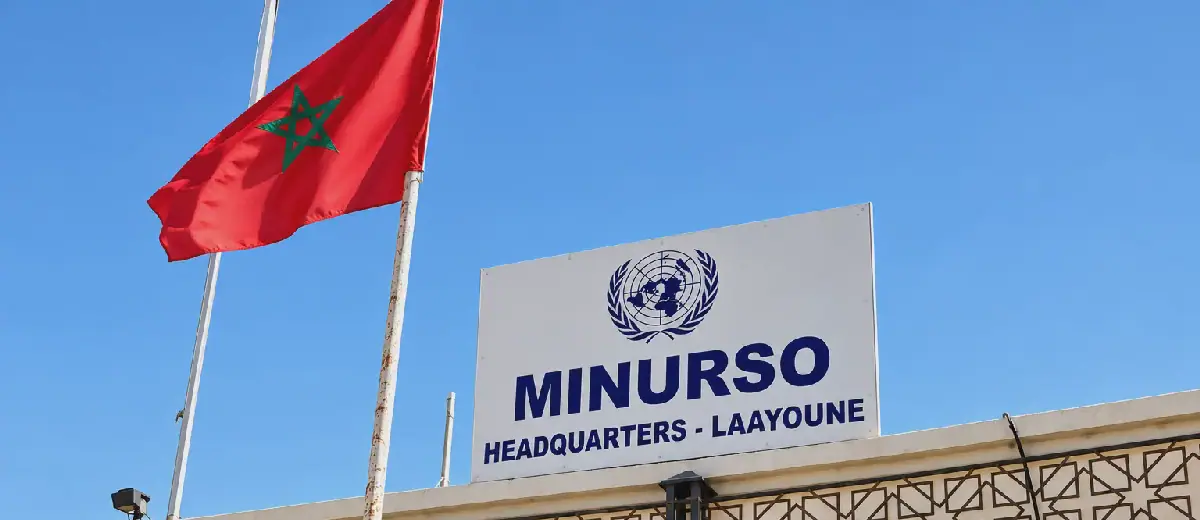
The United Nations has started the process of dismantling its peacekeeping mission in Western Sahara, known as Minurso, which has been in place since 1991. According to Stéphane Dujarric, spokesperson for the UN Secretary-General, the process began on November 1, 2026. This move comes after the UN Security Council decided not to renew the mission's mandate. The mission's departure marks a significant development in the long-standing conflict over Western Sahara.
The Minurso mission was established in 1991 to monitor a ceasefire between Morocco and the Polisario Front, a separatist group seeking independence for Western Sahara. The mission's mandate included organizing a referendum on the region's future, but this goal was never achieved. The mission's presence was meant to be temporary, but it has remained in place for 35 years. The UN has announced that the process of withdrawing the mission's personnel and equipment will be carried out progressively.
The withdrawal process involves the removal of 160 military observers, 180 civilian personnel, and other agents linked to the mission. The UN will also close 13 sites and installations and dismantle the mission's equipment and logistical means. According to Omar Hilale, Morocco's Permanent Representative to the UN, Morocco will cooperate fully to ensure a smooth transition. The Moroccan government has made arrangements to provide the necessary time and logistical support for the mission's departure.
Julian Harston, a former head of Minurso, has expressed support for the mission's closure, stating that it has become outdated. He believes that the initial mandate of the mission, which included organizing a referendum, is no longer relevant. Harston also criticized the role of Algeria in the peace process, accusing the country of systematically obstructing initiatives to resolve the conflict. He described the living conditions of thousands of Sahrawis in Tindouf refugee camps as "intolerable."
The closure of Minurso has raised questions about the future of the ceasefire in Western Sahara. However, according to Moroccan Foreign Minister Nasser Bourita, the end of the mission's mandate does not mean the end of the ceasefire. Bourita emphasized that the ceasefire is a political, diplomatic, and legal commitment. The Moroccan government believes that the non-renewal of Minurso's mandate opens a new phase in managing the Western Sahara conflict.
The UN has not set a specific date for the completion of the withdrawal process. The organization has emphasized that the process will be carried out in an orderly manner and as soon as possible. The closure of Minurso marks a significant shift in the international community's approach to the Western Sahara conflict. The Moroccan government has expressed its commitment to finding a solution to the conflict.
The future of Western Sahara remains uncertain, with Morocco maintaining its sovereignty over the region and the Polisario Front continuing to push for independence. The international community, including the UN, will be closely watching developments in the region.
Key points
- The United Nations has begun withdrawing its peacekeeping mission from Western Sahara, marking a new phase in the region's conflict.
- The mission's closure has raised questions about the future of the ceasefire in Western Sahara.
- Morocco has expressed its commitment to finding a solution to the Western Sahara conflict.