Morocco's seawater desalination project in Dakhla has entered its final phase, moving closer to creating a large irrigated farming zone in Western Sahara. The project, launched by King Mohammed VI on the 40th anniversary of the Green March, carries a total investment of about MAD 2.6 billion ($260 million). It aims to provide a sustainable source of water for irrigation and drinking water in the region.
The project consists of three main components: a seawater desalination unit, a 60 MW wind farm, and an irrigation network stretching across 130 kilometers of pipes. The wind farm is complete, while the desalination plant and the irrigation network stand at 97% and 99% completion, respectively. Once operational, the plant will produce 37 million cubic meters of water per year, with a designed capacity of roughly 100,000 cubic meters per day.
Of the annual volume, 30 million cubic meters will go to irrigation, and 7 million to drinking water, which will also serve the region's future Atlantic port. The design allows for a 5,000-hectare agricultural perimeter while easing pressure on Dakhla's water table, as desalinated seawater replaces groundwater. This substitution addresses a documented constraint, as studies on the local aquifer advised against exceeding about 1,500 hectares to keep the resource sustainable.
The ministry expects the project to yield around 500,000 metric tons of early produce each year, create 30,000 permanent jobs, and generate added value of more than MAD 1 billion ($100 million). About 70% of the surface is planned for horticultural crops, including round tomatoes and onions, with part of the output destined for both the domestic market and export. Dakhla already grows tomatoes, melons, and blueberries.
The land is being allocated through a public-private partnership and split into projects of varying sizes. A first tender in 2022 covered 219 projects over 5,196.56 hectares, followed by 79 projects over 1,778 hectares in September 2024, and 35 projects over 1,090.19 hectares in June 2026. Alongside the private allocations, the ministry has reserved 100 small projects for young people from the region, each covering 5 to 10 hectares.
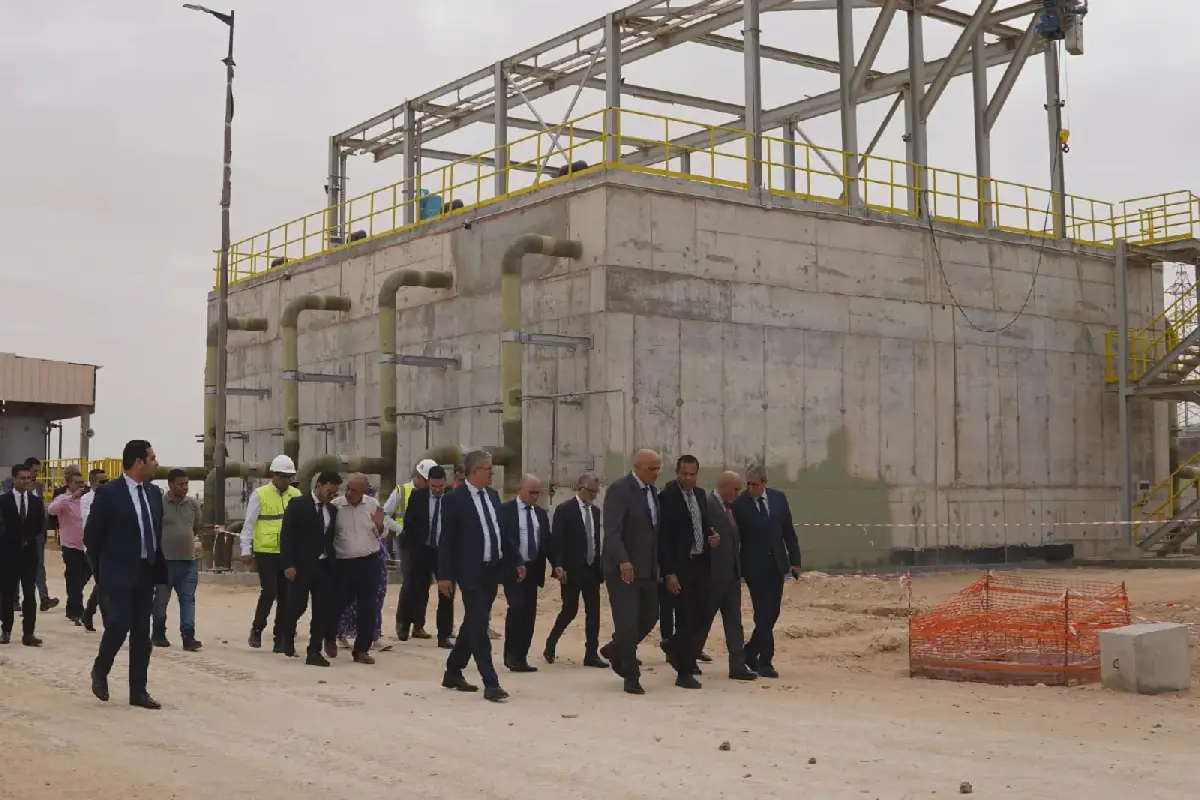
Khalid Hatimy, Minister of Agriculture, Maritime Fishing and Food Sovereignty, visited the site on Friday, October 30, to review progress. He was accompanied by the Wali of the Dakhla-Oued Eddahab region, the Governor of Oued Eddahab province, and a ministry delegation. The visit coincided with the first anniversary of Unity Day.
On the sidelines of the visit, Hatimy met private investors who hold plots inside the irrigated perimeter. The exchange addressed the constraints they face and ways to develop farming activity in the area, with a view to attracting further investment and promoting sustainable agriculture across the region. The beneficiaries will receive technical support to help them establish and expand their operations.
Key points
- The project will provide 37 million cubic meters of water yearly, protect Dakhla's aquifer, and generate 30,000 permanent jobs and 500,000 metric tons of produce.