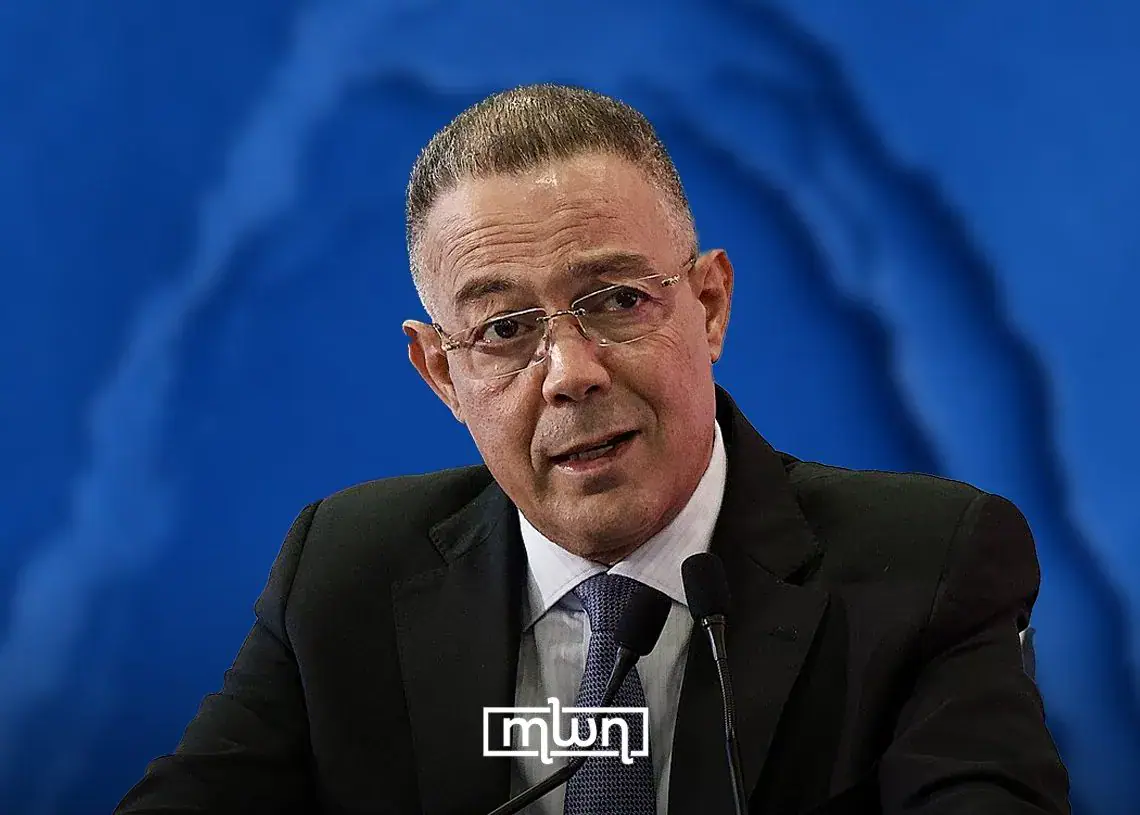
Morocco's Minister of Economy Fouzi Lekjaa addressed concerns over the government's decision to apply a 40% corporate tax to 11 petroleum companies operating in the country. The tax is part of the 2027 Finance Bill currently under discussion in parliament. Lekjaa's responses were in reaction to questions raised by several MPs from opposition parties, including Nabila Mounib from the Unified Socialist Party.
Mounib had questioned the government's decision to exempt some petroleum companies from the tax, accusing them of accumulating enormous wealth. She proposed an amendment to include companies that import and distribute petroleum products, provided they generate over MAD 100 million in profits. The amendment also requested that the government simulate the expected tax revenue and the number of companies concerned under different thresholds.
Lekjaa defended the government's decision, stating that the 40% tax rate follows a specific rationale. He explained that companies operating in sectors that tend toward monopolistic practices should be subject to higher taxation. The minister cited the example of banks and insurance companies, which are already subject to the 40% tax rate. This year, the government has applied the tax to 11 petroleum companies.
Lekjaa emphasized that the tax is subject to continuous monitoring of the companies' financial results. He stated that the government aims to determine whether these companies are generating profits consistently, rather than recording high profits in a single year. Once profits become stable and a company enters a period of sustained growth, it can be subjected to the higher tax rate.
The 11 companies concerned in the petroleum sector are currently the only ones subject to the 40% tax rate, according to Lekjaa. The minister's remarks come amid a national uproar over continued increases in petroleum prices, with diesel prices per liter estimated at over MAD 16. The rising fuel prices have sparked frustration among citizens and the professional transport sector.
To mitigate the crisis, the government has extended direct aid to the professional transport sector. However, despite the subsidy, public concerns suggest that several taxis are involved in increasing fares, prompting authorities to respond by withdrawing their professional driving licenses. The government's efforts aim to protect consumers from the impact of rising fuel prices.
The debate over the 40% tax on petroleum companies highlights the challenges faced by the Moroccan government in balancing its economic goals with the need to protect consumers from rising fuel prices. The government's decision to apply the tax selectively has sparked criticism from opposition parties, but Lekjaa's explanations aim to provide clarity on the rationale behind the tax.
Key points
- The Moroccan government has applied a 40% corporate tax to 11 petroleum companies as part of its efforts to address rising fuel prices and criticism from opposition parties.
- Minister of Economy Fouzi Lekjaa defended the government's decision, stating that the tax follows a specific rationale and aims to target companies operating in sectors that tend toward monopolistic practices.
- The tax is subject to continuous monitoring of the companies' financial results to determine whether they are generating profits consistently.