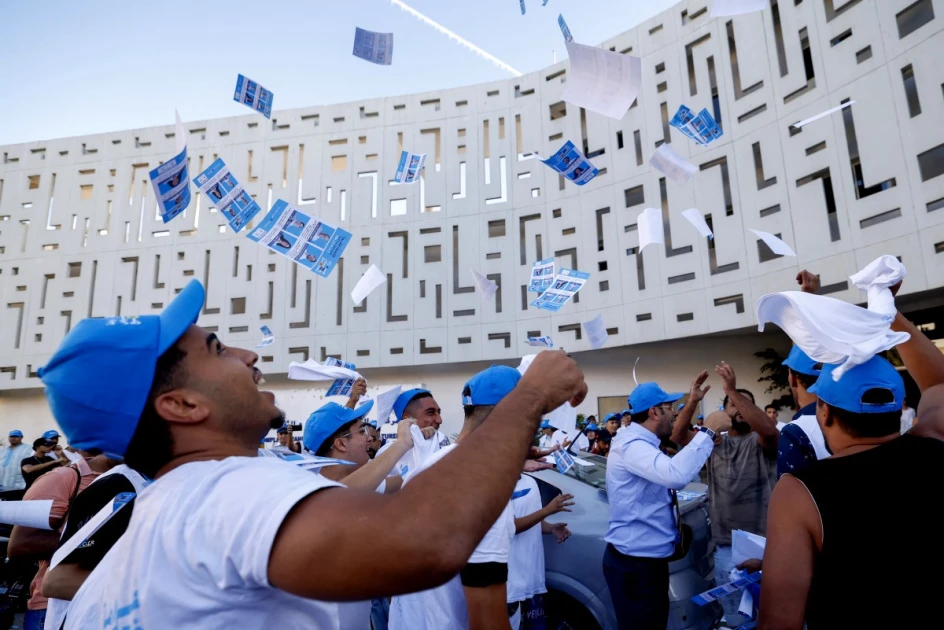
Morocco is set to hold its legislative elections on Wednesday, with nearly 16 million registered voters expected to elect 395 members of the House of Representatives. However, only a slim 4% of registered voters are aged 18 to 24, raising concerns about the level of youth engagement in the electoral process. Many young Moroccans have expressed disillusionment with the political system, citing a lack of employment and housing opportunities.
The election comes at a time when Morocco is marking a year since youth-led demonstrations, known as the Gen Z movement, took to the streets to demand better health and education services. Social disparities and youth unemployment remain major issues, with the country's unemployment rate standing at 13%. Despite strong economic growth, many young Moroccans are struggling to find work, leading to increased frustration with the government.
Political scientist Mohamed Chiker said the elections face two major challenges: restoring voters' trust, particularly among young people, in political life, and bringing forward an honest political elite. The parties in the running for power hope to tap into these frustrations and offer solutions to the socio-economic challenges facing the country.
Some young Moroccans, however, remain skeptical about the election and the ability of the next government to address their concerns. Haitham Atifi, a 20-year-old newly graduated electrical engineer, said he would not vote, citing a lack of job opportunities and the perceived emptiness of election promises.
Others, however, are more optimistic about the potential for change through the electoral process. Haitham Arakchou, 28, said he would vote and urged other Moroccans to head to the polls, hoping the next government would improve the social situation and raise the minimum wage.
The election campaign has also been marked by the absence of discussion on the July migrant rush, which saw tens of thousands of people, predominantly young Moroccans, cross into the neighboring Spanish enclave of Ceuta. Abdelilah Benkirane, a former prime minister and leader of the opposition Justice and Development Party, called it a "major scandal" at a campaign rally.
The outcome of the election will be closely watched, as it will provide an indication of whether Morocco's political system can reconnect with its youth and address the socio-economic challenges facing the country. The next government will need to prioritize issues such as employment, housing, and education to restore trust and demonstrate its commitment to improving the lives of young Moroccans.
Key points
- The election will test Morocco's political system in reconnecting with a disenchanted youth.
- Many young Moroccans are disillusioned with the political system, citing a lack of employment and housing opportunities.
- The next government will need to prioritize issues such as employment, housing, and education to restore trust and demonstrate its commitment to improving the lives of young Moroccans.