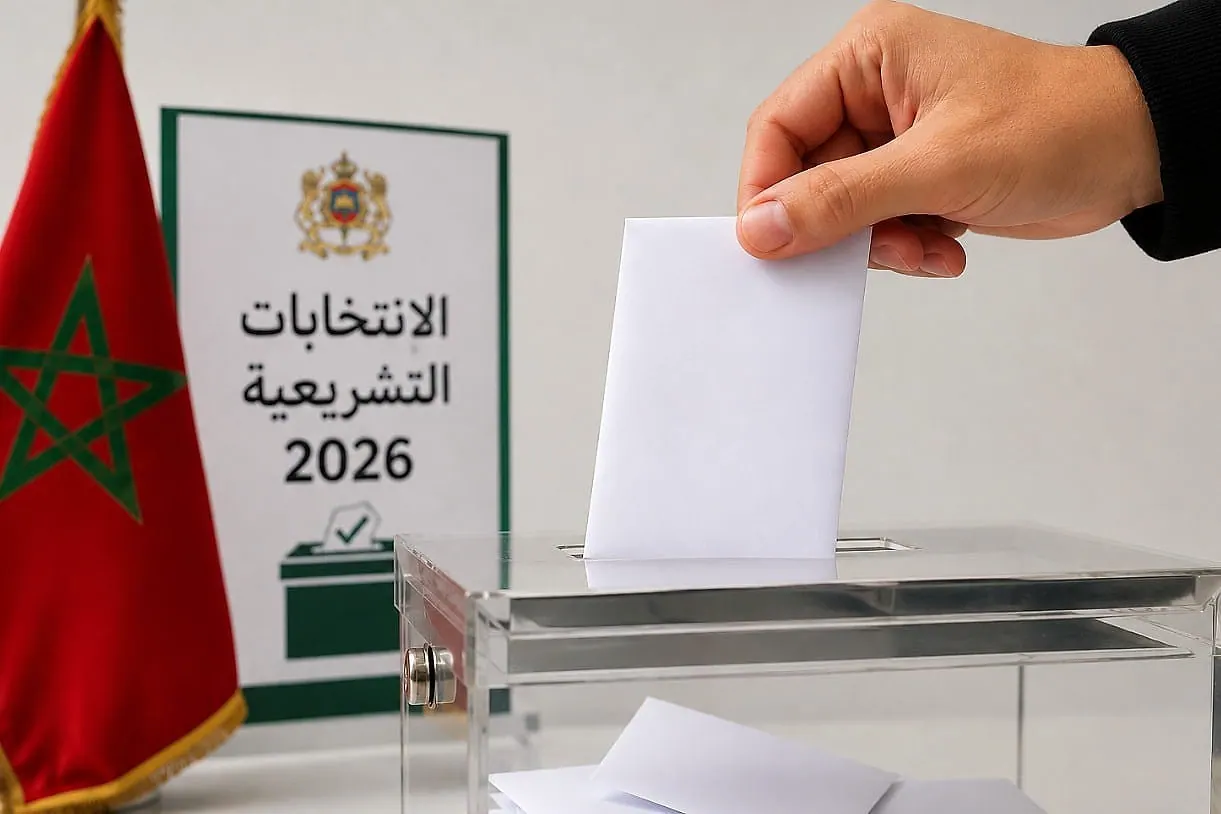
As Morocco prepares for the legislative election on September 23, the major parties have wrapped up their campaigns, focusing on key issues such as purchasing power, employment, and healthcare. The campaigns have been marked by a sense of skepticism among young voters, with many expressing disillusionment with the electoral process. The parties have concentrated their efforts on the interior regions, with leaders like Fouzi Lekjaa and Aziz Akhannouch holding rallies and meetings.
Lekjaa, representing the Authenticity and Modernity Party, has been touring the country, highlighting the party's social commitments, including support for widows and youth priorities. In Ouarzazate and Tiznit, he defended his party's stance on these issues. Meanwhile, Akhannouch, leader of the National Rally of Independents, held a meeting in Tétouan, where he criticized the opposition and outlined his party's vision for the 2026-2031 term, citing achievements in desalination, dam construction, and highway development.
Other party leaders have also been active, with Nabil Benabdallah denouncing the current government's alleged conflicts of interest and calling for a sanction vote. Fatima-Zahra Mansouri, in Benguérir, defended her honor and social commitments. The campaigns have been marked by a proliferation of tracts and posters in public spaces, which has sparked reactions of frustration among citizens.
The skepticism of young voters is reflected in the low turnout of 18-24-year-olds and 25-34-year-olds in the electoral body, which has decreased from 8% to 4% and 19% to 15%, respectively. The overall electoral body has contracted from 17.5 million registered voters in 2021 to approximately 15.5 million. This trend has been noted by observers, who have expressed concerns about the low participation of young people in the electoral process.
The election will fill 395 seats, with 305 allocated to local constituencies and 90 to regional constituencies. A total of 27 parties are participating, with 7,288 candidates distributed across 1,850 lists. Over 3,000 national and international observers have been accredited to monitor the election. The method of calculating seat allocation has been modified, based on validly expressed votes rather than the number of registered voters.
This change is expected to raise the threshold for accessing seats, and its impact will depend directly on the participation rate. The campaigns have also been marked by accusations of vote-buying and the role of intermediaries, which have been denied by the parties involved. The election is seen as a crucial test for the country's democratic process, with many hoping for a high turnout and a peaceful transfer of power.
The outcome of the election will have significant implications for Morocco's future, with the winning parties expected to shape the country's policy agenda for the next term. The government will need to address the concerns of young voters, who have expressed disillusionment with the electoral process. The parties will need to work together to address the country's challenges, including economic growth, employment, and social welfare.
Key points
- Low youth turnout in the electoral body, with a decrease in registered voters aged 18-24 and 25-34.
- The election will fill 395 seats, with 27 parties participating and over 3,000 observers accredited.
- The method of calculating seat allocation has been modified, based on validly expressed votes rather than the number of registered voters.