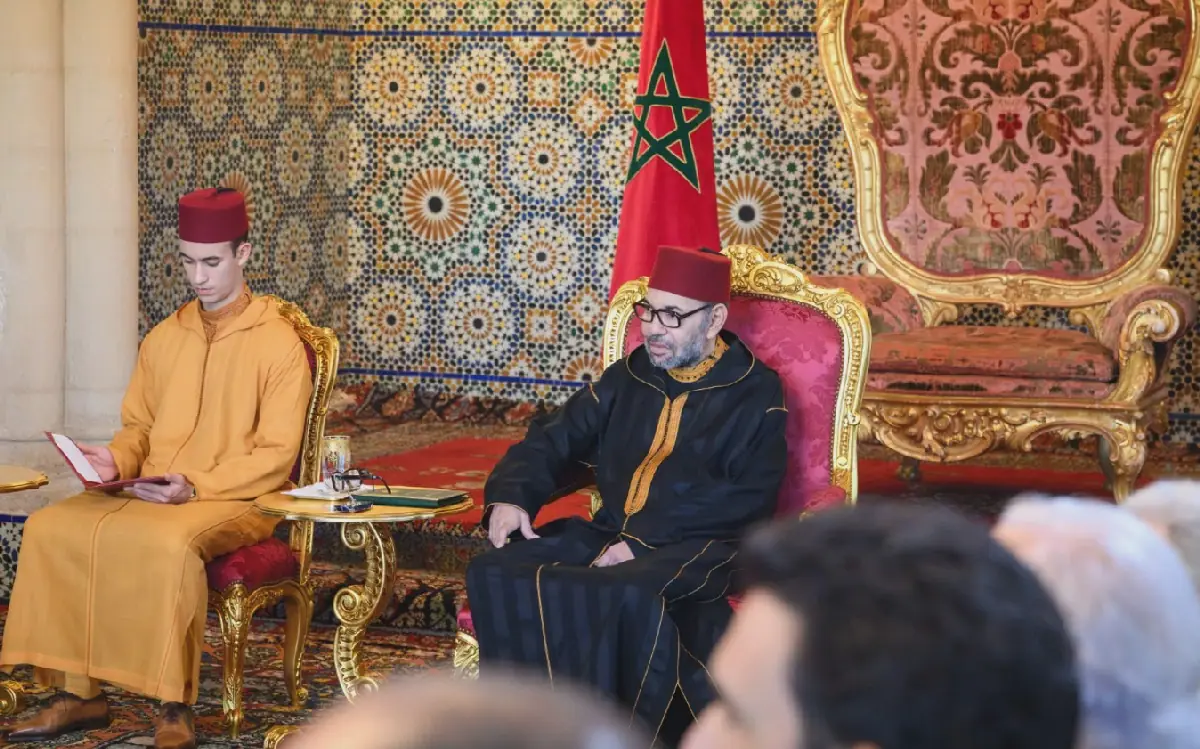
On November 25, 2026, King Mohammed VI, accompanied by Crown Prince Moulay El Hassan, presided over a ceremony at the Royal Palace in Rabat for the signing of two framework agreements. These agreements focus on financing the roadmap for developing Morocco's defense and security industry and mobilizing the national private and financial sector for its deployment. The ceremony underscored the King's commitment to advancing Morocco's industrial and technological capabilities.
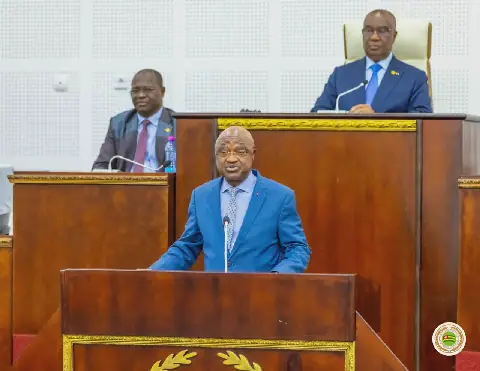
Ali Seddiki, Director General of the Moroccan Agency for Development of Investments and Exports (AMDIE), addressed the King during the ceremony. He highlighted that under the King's guidance, Morocco has transformed into a continental industrial leader. Seddiki emphasized that the Kingdom, driven by the Royal Vision, has emerged as a nation in cutting-edge sectors. The Royal Vision aims to establish a sovereign, efficient, innovative, and competitive defense and security industrial and technological base.
Seddiki noted that the King's High Instructions were given during a working session on November 18 to accelerate the deployment of the "Offre Maroc" roadmap for developing the national defense and security industry. This initiative aligns with the Royal Achievements for an industrial, emerging Morocco, leveraging its potential, assets, and human capital. The roadmap targets creating a robust industrial base, fostering innovation, and enhancing competitiveness.
The agreements signed will facilitate the development of Morocco's defense industry, with a focus on innovative and high-tech areas such as drones, autonomous systems, terrestrial and naval systems, defense electronics, and cybersecurity. The industry aims to generate at least 50 billion dirhams in annual revenue, with over 65% expected to come from exports. Additionally, it is projected to create at least 50,000 direct and indirect jobs by 2035.
To support the growth of this sector, an ecosystem for research and development will be established, mobilizing local competencies and Moroccan expatriates. The Strategic Agency, named DIFAA (Defense Industry Facilitation and Acceleration Agency), will oversee the implementation of the roadmap and governance structures. DIFAA will promote investment, manage support systems, and structure the national industrial base.
The first framework agreement, related to financing the roadmap's implementation, was signed by several ministers and high-ranking officials, including the ministers of Interior, Economy and Finance, Industry and Commerce, and the Director General of AMDIE. The second agreement, concerning the mobilization of the private and financial sectors, was also signed by relevant ministers.
The development of Morocco's defense and security industry aligns with the King's vision to enhance the nation's industrial capabilities and economic growth. With a focus on innovation, investment, and job creation, this initiative is expected to position Morocco as a key player in the global defense industry. The project's success will depend on effective collaboration between public and private sectors.
Key points
- Morocco aims to generate at least 50 billion dirhams in annual revenue from its defense industry by 2035.