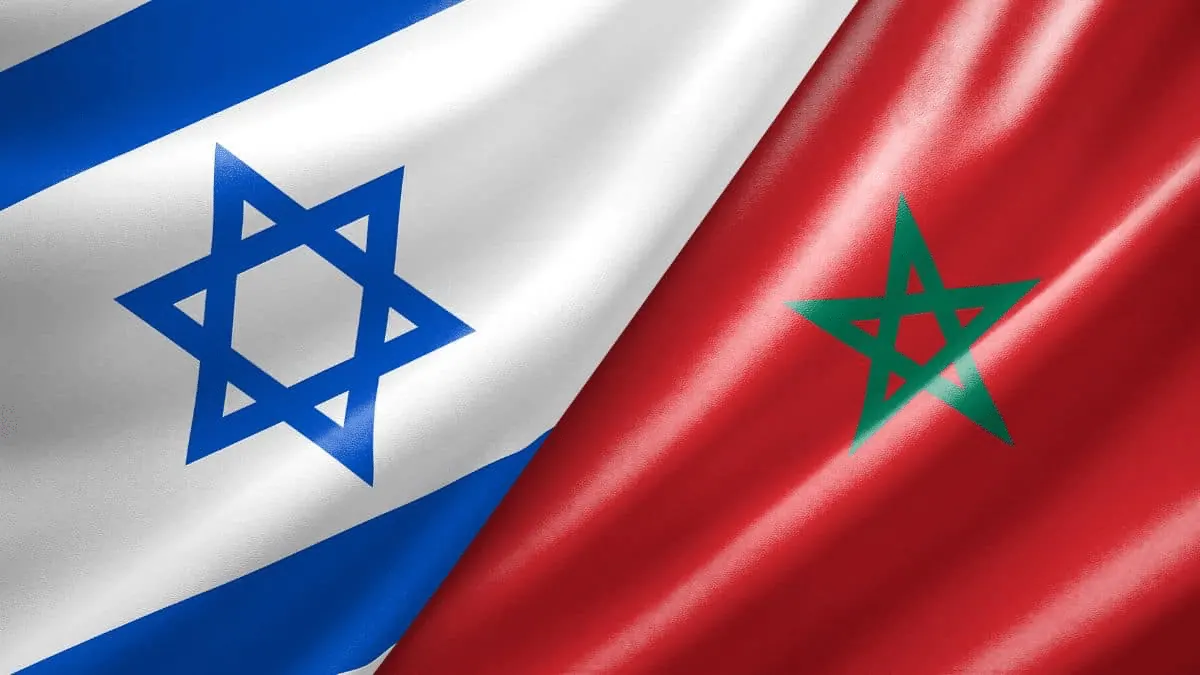
King Mohammed VI of Morocco has sparked widespread criticism and outrage among Moroccans and the international community for his handling of several sensitive issues. Recently, the monarch decided to elevate diplomatic relations with Israel to the level of ambassades, exchanging ambassadors with the country. This move has been met with dismay and frustration among Moroccans, who see it as a betrayal of their country's long-standing support for the Palestinian cause.
The normalization of relations with Israel has been a contentious issue in Morocco, with many Moroccans opposing the move. The decision was made in 2020, and since then, the country has faced several scandals and criticisms from the international community. The latest development has further strained relations between Morocco and its citizens, with many accusing the monarch of disregarding their sentiments and interests. The move has also drawn criticism from several political parties and civil society organizations.
The migration crisis in Ceuta, a Spanish enclave in Morocco, has also contributed to the backlash against King Mohammed VI. In July, thousands of young Moroccans attempted to cross into Ceuta, resulting in at least a hundred deaths. The incident sparked allegations that the Moroccan authorities had either encouraged or turned a blind eye to the attempt, in an effort to pressure the Spanish government. The incident has further tarnished Morocco's image and raised concerns about the country's human rights record.
The European Parliament has condemned Morocco for its handling of the migration crisis and its relations with Israel. In a resolution adopted in mid-September, the Parliament expressed concern over Morocco's actions and called for the country to respect human rights and the rule of law. This is not the first time Morocco has faced criticism from the European Parliament, which has previously condemned the country for corruption, press freedom, and other issues.
The opposition to King Mohammed VI's policies has been vocal, with several political parties and civil society organizations denouncing the normalization with Israel and the handling of the Ceuta migration crisis. The Parti socialiste unifié (PSU) and the Fédération de la gauche démocratique have called for protests and urged the government to reconsider its policies. The coalitions have described the normalization with Israel as "honte" and "déshonneur" and have called for a united front against the government's policies.
The crisis has also raised concerns about the impact on Morocco's international relations. The country's relations with Spain have been strained, and the European Union has expressed concern over Morocco's actions. The incident has also sparked debate about Morocco's role in the region and its relations with other countries. The government has defended its policies, but the criticism from the international community and the opposition has put pressure on the monarch to reconsider his approach.
As Morocco prepares for legislative elections on September 23, the controversy surrounding King Mohammed VI's policies is likely to continue. The opposition has called for protests and demonstrations, and it remains to be seen how the government will respond to the criticism. The situation has highlighted the challenges facing Morocco and the need for the government to balance its international relations with the concerns and aspirations of its citizens.
Key points
- Morocco's King Mohammed VI faces criticism for normalizing relations with Israel and handling the Ceuta migration crisis.
- The European Parliament has condemned Morocco for its handling of the migration crisis and its relations with Israel.
- The opposition has called for protests and urged the government to reconsider its policies.