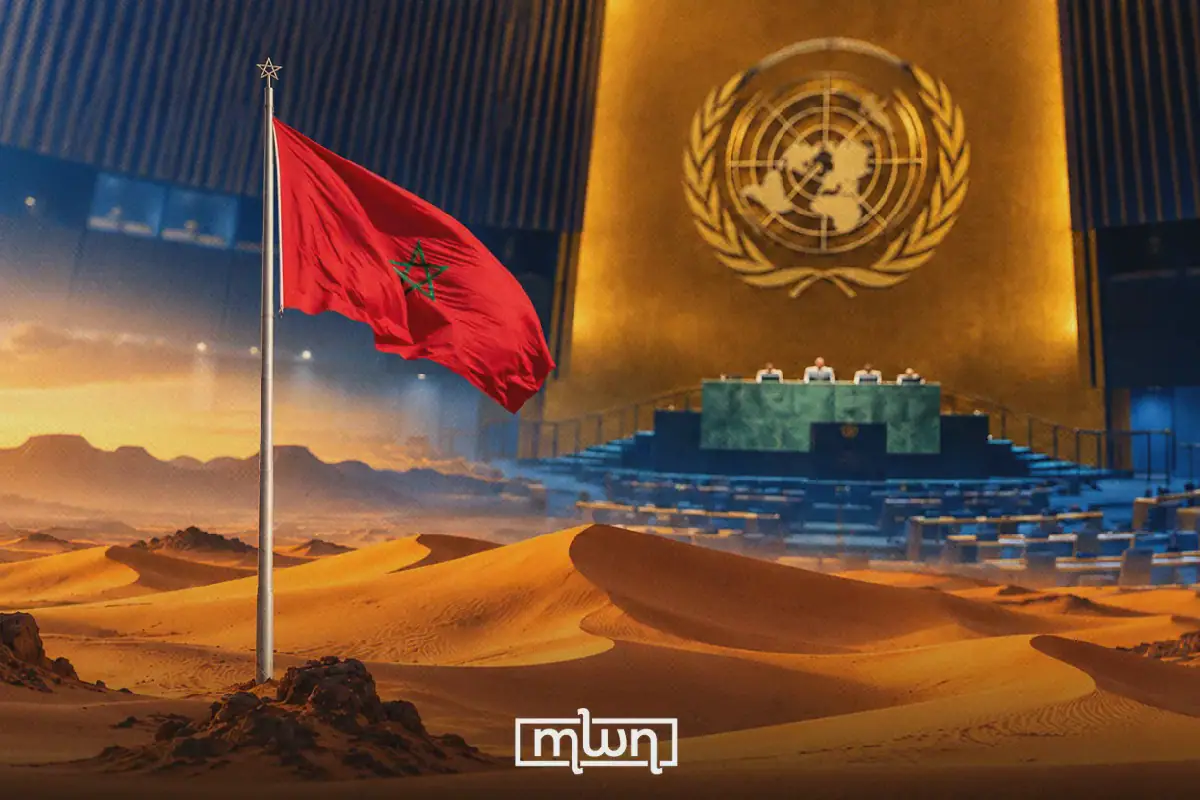
On October 30, the Royal Cabinet of Morocco announced that the failure of the Security Council to renew the mandate of the United Nations Mission for the Referendum in Western Sahara (MINURSO) marked a significant step towards definitively closing the Moroccan Sahara file at the United Nations. The statement emphasized that the mission's presence in the southern provinces, including its personnel, vehicles, equipment, and symbols, should end in the coming days.
King Mohammed VI has taken a firm stance on the issue, rejecting the continuation of the previous arrangements that have allowed the dispute to drag on for years. The King's decision was made in response to the Security Council's inability to agree on a new mandate for MINURSO, which has been in place for 35 years. Morocco's position is that returning to the previous arrangements would mean accepting another period of waiting with no guarantee of progress toward a settlement.
The "royal veto" on further delay signifies Morocco's rejection of the continuation of the process under terms that have allowed the dispute to persist. This move raises the cost of stalling, as disagreements will no longer be confined to the wording of the annual resolution, but now extend to Morocco's consent to the continuation of the process itself. The powers involved in seeking a settlement must consider the consequences of their failure to advance it.
Morocco's diplomacy, under the King's leadership, has secured significant gains before this position was adopted. The statement affirms that more than two-thirds of UN member states clearly support the Autonomy Initiative under Moroccan sovereignty as the sole framework for resolving the dispute. This broad support includes permanent members of the Security Council and influential international powers.
The statement describes MINURSO as a legacy of an outdated context that long served as a means of internationalizing the regional dispute over the kingdom's recovery of its Saharan provinces. The demand to end its presence challenges the way the dispute has been managed, after a process that failed to achieve its purpose due to the other parties' procrastination and insistence on maintaining the deadlock.
Morocco's diplomacy will need to encourage its partners to take steps that help achieve a settlement and prevent disagreements within the Security Council from becoming a permanent reason to postpone it. The statement links this development to the celebration of "Unity Day," established by King Mohammed VI to mark a break with the previous approach to the issue.
The King's international diplomatic efforts will continue at the bilateral and regional levels to secure clearer positions and progress for Morocco's proposed solution. Morocco has reiterated its commitment to the ceasefire, respect for its territorial integrity and unity, and the protection of its national security and its citizens' peace of mind.
Key points
- Morocco's King Mohammed VI has made a decisive move to close the Moroccan Sahara file at the United Nations.
- The King's decision was made in response to the Security Council's inability to agree on a new mandate for MINURSO.
- Morocco's diplomacy will need to encourage its partners to take steps that help achieve a settlement.