On Tuesday, King Mohammed VI of Morocco appointed Fatima Zahra El Mansouri, the collective leadership coordinator of the Authenticity and Modernity Party (PAM), as the country's first female prime minister. This appointment was made in accordance with Article 47 of the Moroccan Constitution. El Mansouri's party, PAM, emerged as the largest party in the parliamentary elections held on September 23, 2026, securing 97 seats in the House of Representatives.
The parliamentary elections saw a turnout of 38.02% at the national level. El Mansouri's appointment marks a significant milestone in Morocco's history, as she becomes the first woman to hold the position of prime minister. This move is seen as a step forward in the country's democratic development and the empowerment of women in politics. The Authenticity and Modernity Party has played a crucial role in Moroccan politics, and El Mansouri's leadership will be closely watched.
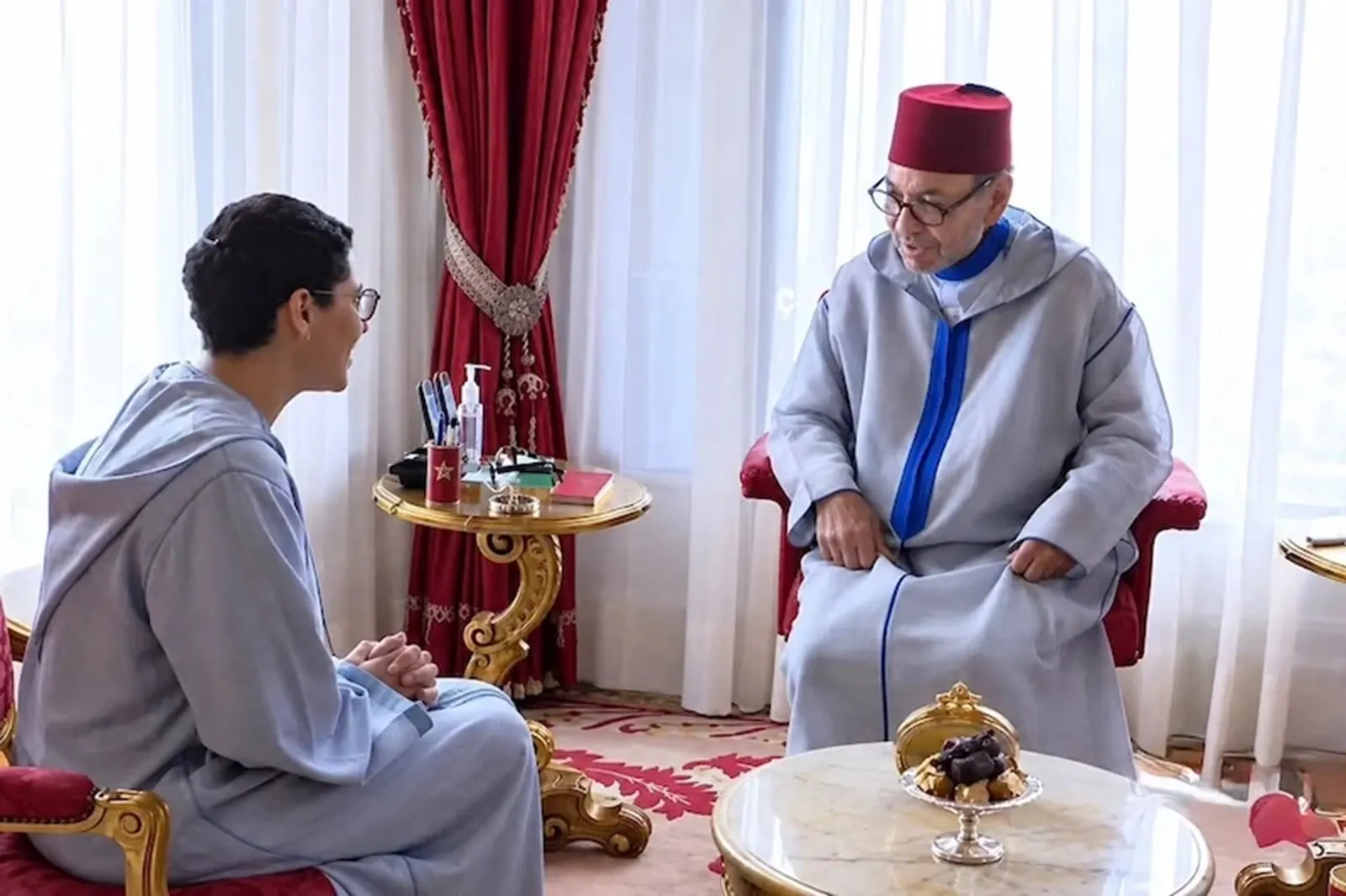
According to the Royal Palace, King Mohammed VI held a meeting with El Mansouri at the Royal Palace in Rabat, where he officially appointed her as prime minister and tasked her with forming a new government. This appointment is a clear indication of the king's trust in El Mansouri's abilities and her party's vision for the country's future. The new government will face several challenges, including addressing the country's economic and social issues.
El Mansouri's background and experience make her a suitable candidate for the position of prime minister. She has been actively involved in politics for several years and has held various positions within the Authenticity and Modernity Party. Her appointment is seen as a positive step towards increasing women's representation in Moroccan politics and promoting gender equality.
The appointment of El Mansouri as prime minister has been welcomed by many Moroccans, who see it as a sign of progress and modernization. However, challenges lie ahead, as she will need to navigate the complexities of Moroccan politics and form a coalition government that can effectively address the country's issues. The international community has also taken note of El Mansouri's appointment, with many countries congratulating her on her new role.
Morocco's diplomatic efforts have been focused on various international issues, including the Western Sahara conflict. The country has maintained a neutral stance on the issue, supporting the decisions of the United Nations Security Council to resolve the conflict. This stance has been reaffirmed in various international forums, including the United Nations General Assembly.
As El Mansouri begins her tenure as prime minister, she will need to address various domestic and international issues. Her appointment is a significant milestone in Morocco's history, and her success will depend on her ability to navigate the complexities of politics and build a strong coalition government. The country's future development and progress will depend on the effectiveness of its leadership, and El Mansouri's appointment is a positive step in this direction.
Key points
- Morocco appoints its first female prime minister, Fatima Zahra El Mansouri, marking a significant milestone in the country's democratic development.