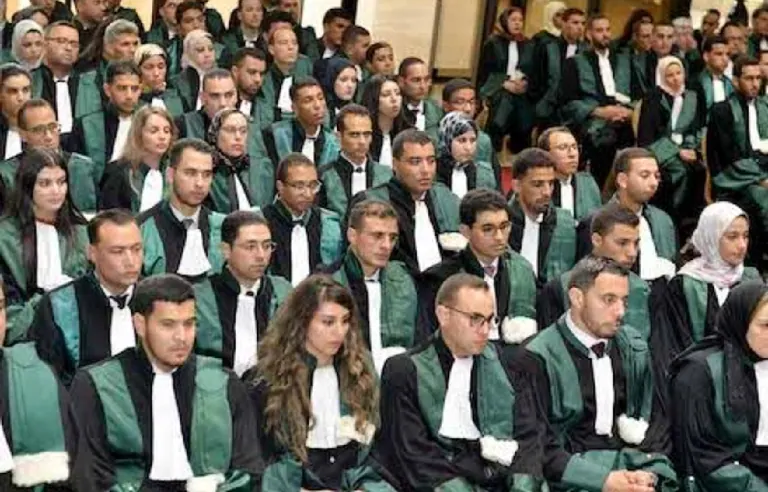
The judicial elections in Morocco commenced on Friday, as judges began presenting their electoral programs. This process is part of the preparations for the election of judges to represent their peers on the Higher Council of the Judiciary for the 2027-2031 term. A total of 64 candidates, including 14 female judges, are competing for 10 seats. The candidates have 15 minutes to present their programs in courthouses across the country.
The candidates, who were previously accepted by the Higher Council of the Judiciary, are presenting their programs in various courts. For the primary courts, 25 male judges and 14 female judges are running. In the courts of appeal, 25 candidates, including 10 female judges, are competing for four allocated seats. After this process, six judges from primary courts and four from courts of appeal will be elected to represent their peers on the Higher Council of the Judiciary.
The election is taking place among judges from the Moroccan Judges Club and the Widadia Al-Hassaniya for Judges. The competition is intense, with each candidate presenting their program and defending its contents before their peers in different judicial districts. This process is part of the decisions made by the Higher Council of the Judiciary regarding the acceptance of judge nominations and the determination of candidates for the 2027-2031 term.
The Higher Council of the Judiciary has set a specific timeframe for the presentation of electoral programs. Candidates must present their programs within 15 minutes. This process is being carried out in parallel with the organization of electoral campaigns in various judicial districts nationwide. The council's decisions aim to ensure a smooth and transparent electoral process.
The judicial elections are a significant event in Morocco's judicial landscape. The elected judges will represent their peers on the Higher Council of the Judiciary, playing a crucial role in shaping the country's judicial policies. The competition among candidates reflects the importance of this role and the desire of judges to contribute to the country's judicial decision-making process.
The election process is expected to conclude with the announcement of the elected judges. The Higher Council of the Judiciary will then have a new composition, reflecting the voices and choices of the judges. This process is a testament to Morocco's commitment to judicial independence and the representation of judges in the country's judicial governance.
The judicial elections in Morocco highlight the country's efforts to strengthen its judicial institutions. The involvement of 64 candidates, including female judges, demonstrates the diversity and inclusiveness of the electoral process. The elected judges will play a vital role in promoting justice and upholding the rule of law in Morocco.
Key points
- 64 candidates, including 14 female judges, are competing for 10 seats on the Higher Council of the Judiciary.
- The candidates have 15 minutes to present their electoral programs in courthouses across the country.
- The elected judges will represent their peers on the Higher Council of the Judiciary for the 2027-2031 term.