The Moroccan engineering group JESA, a joint venture between OCP and Worley, is participating in the development of Senegal's future national natural gas transportation network. The 400-kilometer infrastructure aims to connect offshore gas resources to power plants and industrial areas. JESA is leading a consortium that includes OMCo, a subsidiary of ONHYM, and Antea Group France. The consortium will provide assistance to Réseau Gazier du Sénégal (RGS), a subsidiary of PETROSEN Holding.
The Senegalese government is pursuing the development of its energy infrastructure, with a focus on utilizing its natural gas resources to meet electricity demands and support industrial growth. The national natural gas network will enable the transportation of gas from offshore resources to power plants and industrial zones. This project aligns with Senegal's energy strategy, which prioritizes the use of domestic gas resources to drive economic growth.
JESA's role in the project involves providing assistance to RGS in the development and preparation for exploitation of the network. The company's expertise will cover various aspects of the project, including technical, contractual, and operational requirements. The consortium brings together Moroccan and French expertise, with OMCo contributing its experience in managing gas infrastructure, particularly the Maghreb-Europe gas pipeline.
The project is being implemented by RGS SA, a company owned 51% by PETROSEN Holding, 39% by the Strategic Investments Sovereign Fund (FONSIS), and 10% by the national electricity company Senelec. The development of the national natural gas network is a significant step towards Senegal's goal of increasing its energy independence and promoting economic growth.
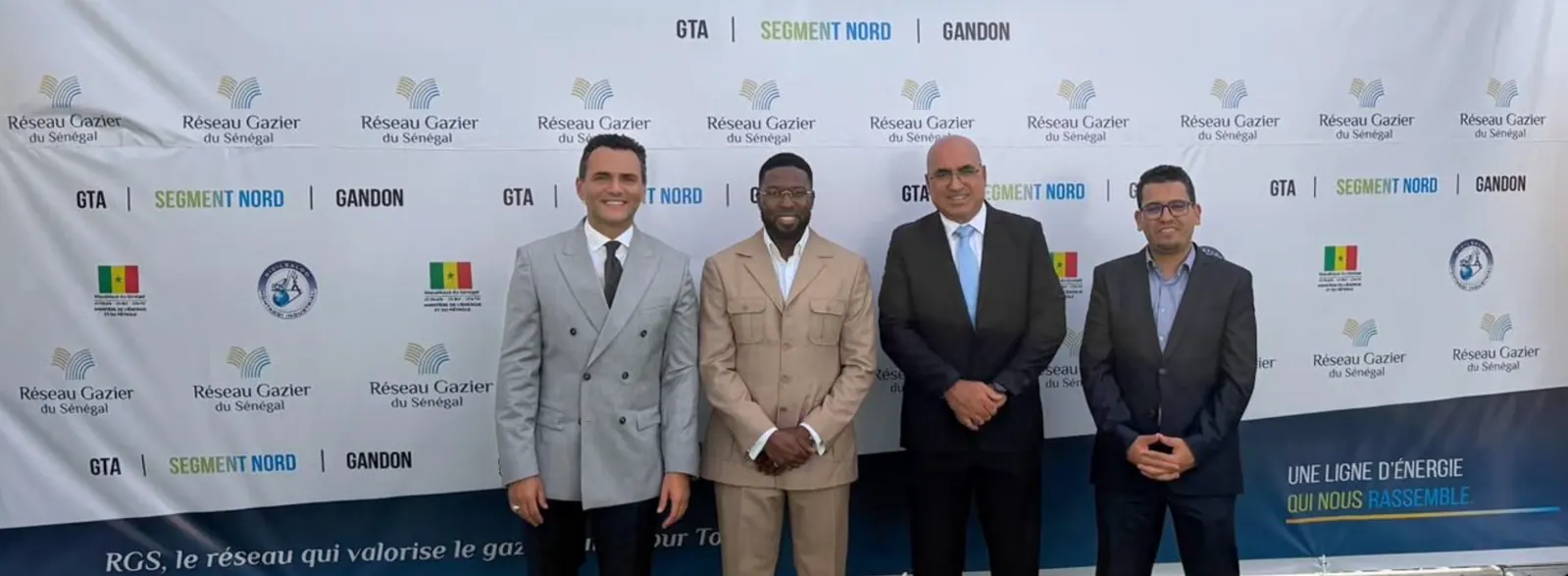
A key milestone in the project was reached on September 10, 2026, with the official ceremony marking the laying of the first pipeline section in Saint-Louis. The ceremony was attended by Senegalese Energy and Petroleum Minister El Hadji Abdourahmane Diouf and several other officials involved in the project. The event marked the beginning of a new phase in the project's implementation.
The project's progress is significant for Senegal's energy sector, as it is expected to enhance the country's energy security and support its economic development. The national natural gas network will provide a reliable source of energy for power generation and industrial activities, contributing to the country's growth and development.
The involvement of Moroccan companies, including JESA and OMCo, in the project highlights the growing cooperation between Morocco and Senegal in the energy sector. The collaboration is expected to contribute to the development of Senegal's energy infrastructure and promote economic ties between the two countries.
Key points
- Moroccan engineering group JESA to lead a consortium in developing Senegal's 400km national natural gas network
- The project aims to connect offshore gas resources to power plants and industrial areas, supporting Senegal's energy and economic growth
- The development of the national natural gas network marks a significant step towards Senegal's goal of increasing its energy independence