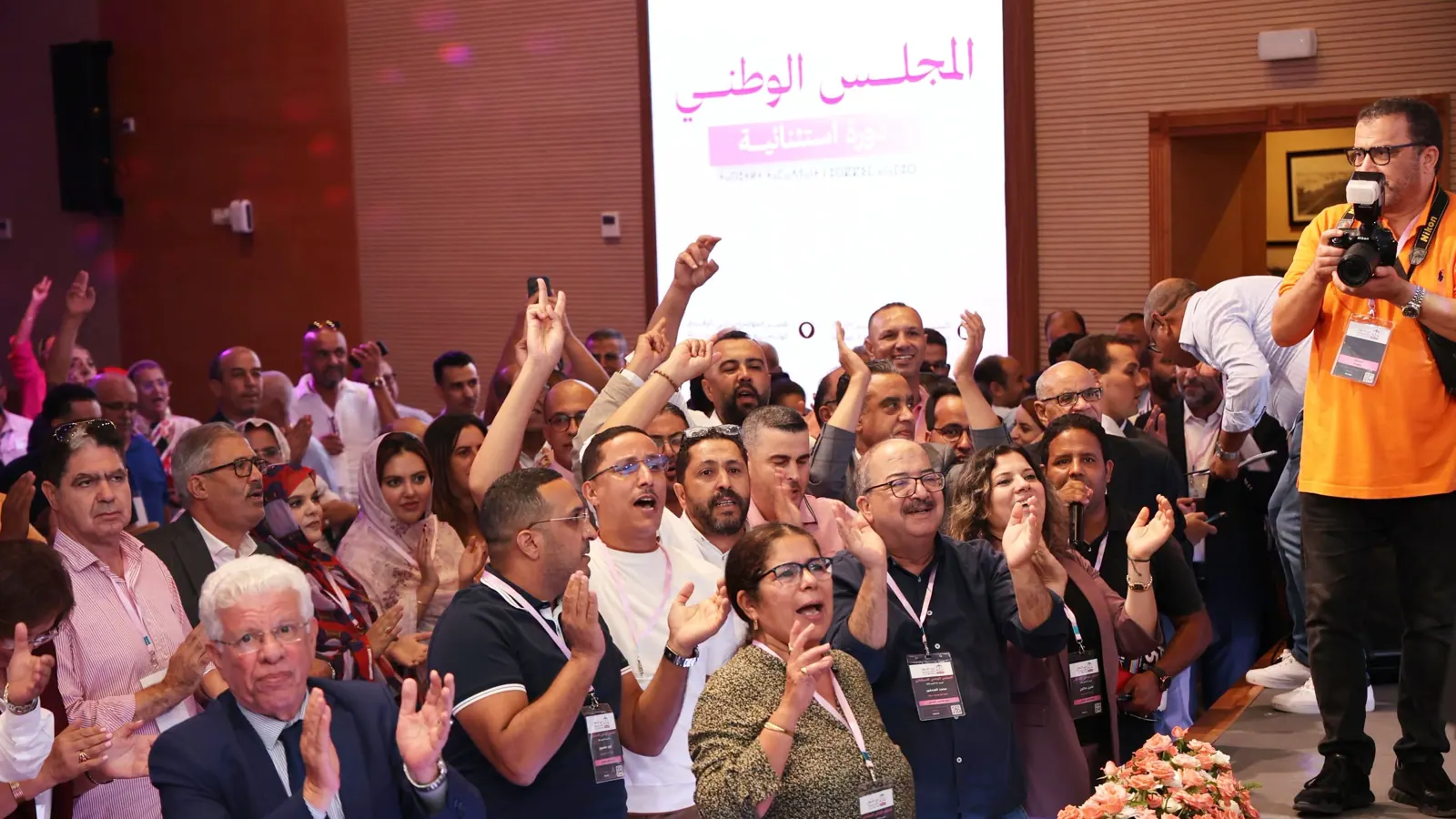
The Istiqlal party has unanimously decided to participate in the Moroccan government, with its Secretary General, Nizar Baraka, authorized to conduct negotiations. This decision was made during a national council meeting of the party. The move is seen as a significant development in the country's efforts to form a new government. The Istiqlal party's decision to join the government has been confirmed, but details of the negotiations remain scarce.
In a separate development, the PAM party has given its leader, Fatima Ezzahra El Mansouri, a mandate to negotiate without explicitly endorsing an alliance with the RNI party. A significant portion of the PAM party, including influential figures, remains opposed to an alliance with the RNI. This opposition could potentially complicate the government's formation process. The PAM party's decision reflects internal divisions over the proposed alliance.
The RNI party's potential participation in the government remains uncertain. While some parties have expressed support for an alliance with the RNI, others have raised concerns. The RNI party's role in the government has been a subject of debate among Moroccan politicians. The uncertainty surrounding the RNI's participation has sparked speculation about the government's future composition.
The developments follow a series of meetings between Moroccan parties to discuss potential alliances and government participation. The meetings aimed to break the deadlock in government formation. The Istiqlal party's decision to join the government could pave the way for further negotiations with other parties. Morocco has been engaged in efforts to form a new government.
Observers are closely watching the developments, as the government's composition will likely impact Morocco's policy direction. The government's priorities will be shaped by the participating parties and their agendas. The Istiqlal party's participation could influence the government's stance on key issues. Morocco's government formation process has significant implications for the country's future.
The PAM party's internal divisions over the RNI alliance reflect broader challenges in Moroccan politics. The country's party landscape is characterized by diverse views and interests. The government's formation process has highlighted the complexities of Moroccan politics. Further negotiations between parties are expected to determine the government's final composition.
The government formation process in Morocco is ongoing, with parties continuing to negotiate and finalize their alliances. The outcome will have significant implications for the country's future direction. Key issues, such as economic development and social policy, are expected to feature prominently on the government's agenda. Morocco's government is expected to prioritize pressing national issues.
Key points
- The Istiqlal party has given its approval to join the Moroccan government.
- The PAM party has expressed internal divisions over an alliance with the RNI party.
- The RNI party's participation in the government remains uncertain.