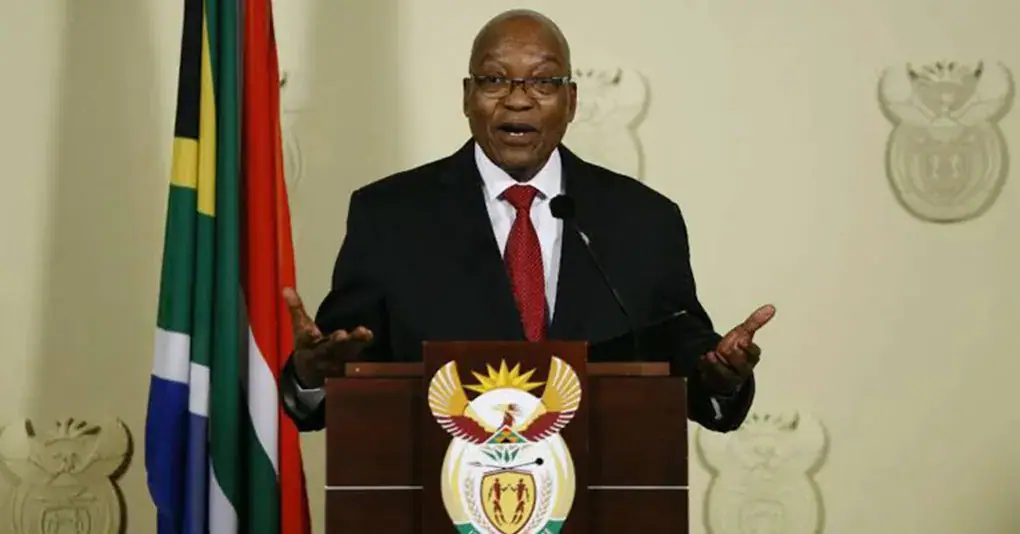
The recent municipal elections in South Africa have brought about a significant shift in the country's political landscape. The ruling African National Congress (ANC) suffered a substantial decline in votes, garnering only 31.1% of the total votes cast, down from 45.6% in the 2021 elections. In contrast, Jacob Zuma's party, Umkhonto We Sizwe, made significant gains, securing 9.7% of the votes and emerging as a major player in the opposition.
Zuma's party has openly expressed its support for Morocco's autonomy initiative for Western Sahara, marking a departure from the ANC's traditional stance on the issue. This development is seen as a significant boost for Morocco, which has been seeking international backing for its proposal. The ANC has historically been sympathetic to the Sahrawi cause, but Zuma's party has chosen to take a different approach, backing Morocco's plan for autonomy under Moroccan sovereignty.
The elections saw a total of 520 parties and 626 independent candidates competing for 10,526 seats in local councils. Over 6,000 observers from 121 organizations monitored the electoral process, ensuring transparency and fairness. The Independent Electoral Commission (IEC) reported that the elections were free and fair, with some minor irregularities that did not affect the overall outcome.
The IEC has announced that new elections will be held in the Douglas constituency in the Northern Cape province after two activists destroyed result sheets before the counting process began. The commission has confirmed that it is prepared to consider any potential objections to the results and has declared the 2026 local government elections free and fair.
The rise of Zuma's party has significant implications for Morocco's interests in the region. Morocco has been seeking international support for its autonomy initiative, and the backing of a major opposition party in South Africa is seen as a significant boost. The development is likely to have far-reaching consequences for the Western Sahara conflict and Morocco's relations with South Africa.
The ANC's decline in votes has been attributed to various factors, including corruption scandals and service delivery issues. The party has been struggling to regain the trust of voters, and the emergence of Zuma's party as a major player has further complicated the ANC's efforts to revive its fortunes.
The outcome of the elections has significant implications for the future of South African politics. The rise of Zuma's party has introduced a new dynamic into the country's politics, and it remains to be seen how the ANC will respond to the challenge. The elections have also highlighted the need for reforms to strengthen the electoral system and ensure greater transparency and accountability.
Key points
- Jacob Zuma's party, Umkhonto We Sizwe, secured 9.7% of the votes in the municipal elections, emerging as a major player in the opposition.