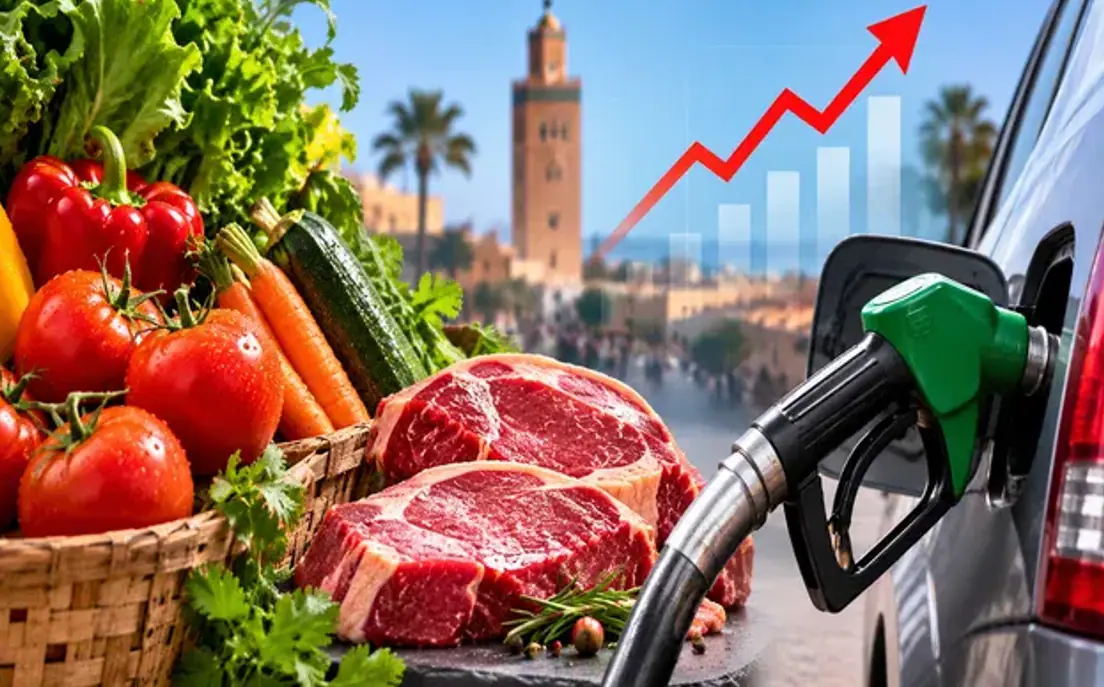
Morocco's inflation rate rose to 1.9% in October 2026, the highest level since February 2025, according to the HCP. This increase is mainly attributed to a 3.1% rise in non-food products and a 0.3% increase in food products. The inflation rate has been on an upward trend for two consecutive months, following a 0.5% increase in September 2026 and a 0.3% decrease in August 2026.
The HCP reported that the prices of non-food products varied, with a 11.6% increase in transportation and a 0.1% decrease in leisure and culture. In contrast, the prices of food products increased, with vegetables rising by 6.8%, meats by 2.7%, and dairy products by 0.7%. The prices of minerals, soft drinks, fruit, and vegetable juices decreased by 0.2%, while fish and seafood prices dropped by 0.8%.
On a monthly basis, the inflation rate increased by 0.8% in October 2026, driven by a 1.6% rise in food products and a 0.3% increase in non-food products. The HCP noted that the prices of fuels increased by 5.0% in October 2026, contributing to the overall inflation rate. This rise in fuel prices is a significant factor in the increasing inflation rate.
Regionally, the highest increases in the IPC were recorded in Errachidia (1.6%), Settat (1.4%), and Guelmim and Beni-Mellal (1.3%). In contrast, a decrease was recorded in Al-hoceima (0.3%). The inflation rate varied across different regions, with some areas experiencing higher price increases than others.
The HCP also reported that the core inflation indicator, which excludes volatile products and public tariffs, increased by 0.2% in October 2026 compared to September 2026 and by 1.0% compared to October 2025. This indicator provides a more stable measure of inflation, unaffected by short-term price fluctuations.
The rise in inflation is attributed to various factors, including the increase in fuel prices and the prices of certain food products. The HCP's data suggests that the inflation rate is likely to continue to rise in the coming months, driven by these factors. The government and policymakers will need to monitor the situation closely to mitigate the impact of inflation on the economy and consumers.
The inflation rate has significant implications for consumers and businesses in Morocco. As prices continue to rise, consumers may need to adjust their spending habits, and businesses may need to reassess their pricing strategies. The government may also need to consider implementing policies to control inflation and support economic growth.
Key points
- The inflation rate in Morocco reached 1.9% in October 2026, the highest level since February 2025.
- The increase in inflation is mainly attributed to a 3.1% rise in non-food products and a 0.3% increase in food products.
- The core inflation indicator increased by 0.2% in October 2026 compared to September 2026 and by 1.0% compared to October 2025.