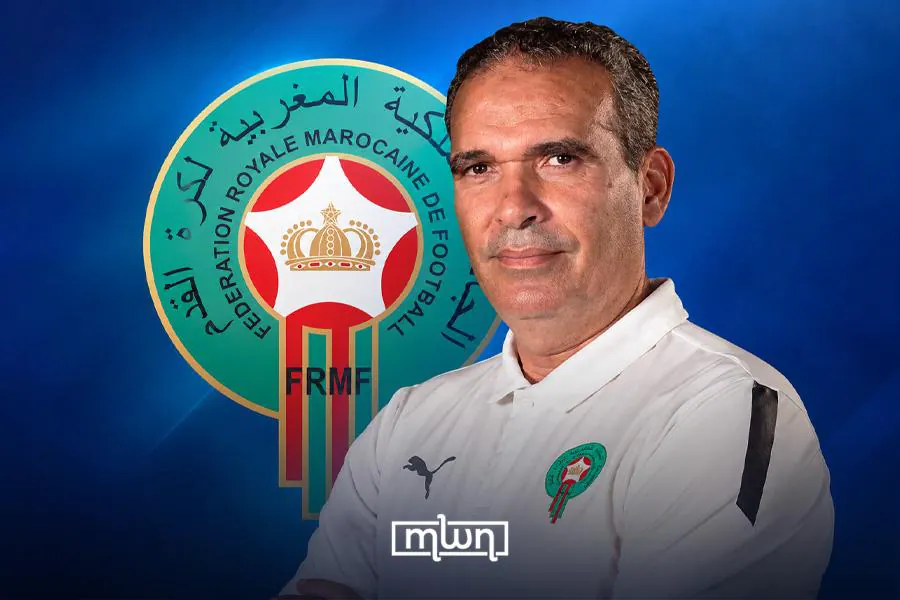
Morocco's futsal team has become the continent's benchmark, with three consecutive African titles and a sixth-place ranking in FIFA's global standings. The team, led by coach Hicham Dguig, has transformed into a force capable of competing deep into major international tournaments. Their next test begins on October 12, when Rabat hosts the 2026 Futsal Afcon. Morocco will face Algeria, Zambia, and Libya in Group A.
The turning point in Morocco's rise came in 2016 when they won their first Futsal Africa Cup of Nations title, defeating Egypt 3-2 in Johannesburg. This triumph marked a significant shift, as the national setup became more professional and began playing international matches regularly. Dguig, who took charge of the national team in 2010, has been instrumental in this transformation.
Morocco's progress has been fueled by regular exposure to elite opposition. The team has used international competition as a benchmark, gradually removing the hesitation that once characterized their games against top teams. Soufiane El Mesrar, the team captain, noted that they once approached countries like Brazil, Argentina, and Iran with too much respect, but that has changed.
Morocco's national futsal championship operates across two senior divisions, with regional competitions also featuring futsal. The development is visible at youth international levels, with Morocco's U17 futsal team set to represent the country at the Dakar 2026 Youth Olympic Games. Players like Soufiane El Mesrar and Bilal Bakkali have built their careers in Moroccan futsal before moving to France.
Continuity has been a key factor in Morocco's success, with Dguig working with several core players across multiple World Cup and AFCON cycles. This has allowed Morocco to develop a recognizable playing identity, based on rotation and positional flexibility rather than rigid roles. Players are expected to contribute both defensively and offensively.
Morocco's recent performances have been impressive, with the team winning the 2024 AFCON after beating Angola 5-1 in the final. Moroccan players also collected the awards for best player, top scorer, and best goalkeeper. The team's sixth-place ranking in the world reflects its growth, with Egypt, their closest African rival, ranked 41st.
As Morocco seeks its fourth consecutive African title, the team faces a different kind of pressure. No longer do they enter an African tournament merely hoping to challenge for the title; they arrive as the team everyone else is trying to catch. A semifinal appearance in the World Cup is the next obvious barrier, and Morocco is determined to make it happen.
Key points
- Morocco's futsal team is ranked sixth in the world and seeks its fourth consecutive African title in the 2026 Futsal Afcon.
- The team's transformation began in 2016 with its first Futsal Africa Cup of Nations title.
- Morocco's success is attributed to continuity, regular exposure to elite opposition, and a well-structured national futsal championship.