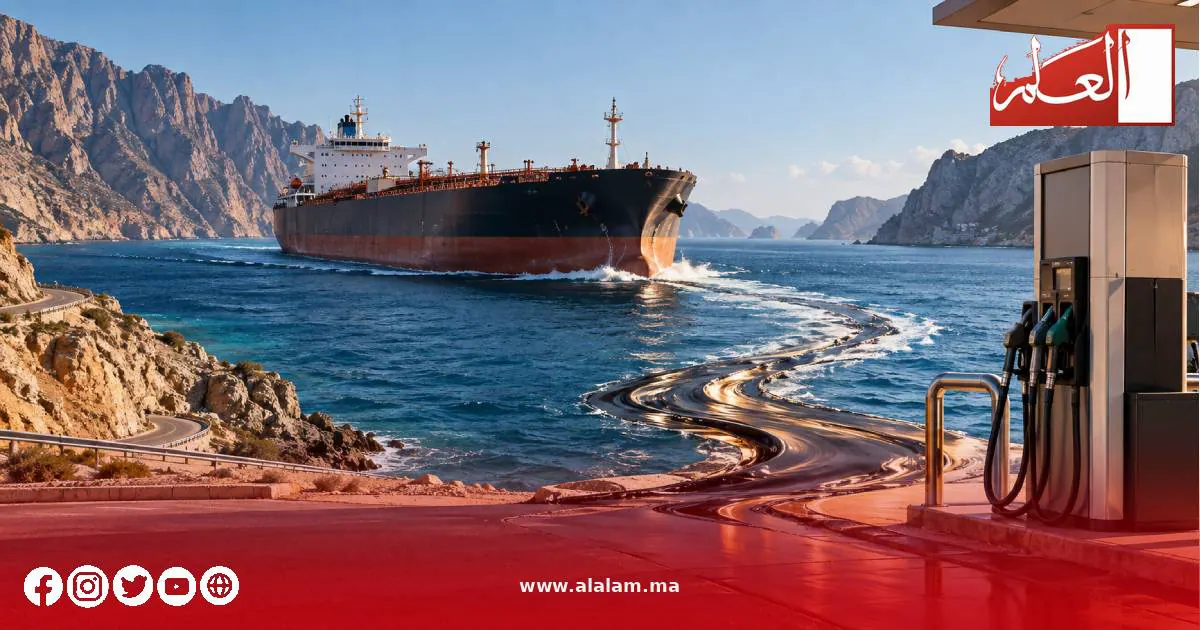
Global oil prices surged on Monday, September 28, 2026, with Brent crude rising over 3% to above $107 per barrel. This increase comes amid ongoing tensions in the Strait of Hormuz, a critical waterway for oil transportation. The Strait of Hormuz is a vital passage for approximately 20 million barrels of oil and petroleum products daily, which is about a quarter of the world's seaborne oil trade.
The recent rise in oil prices follows the rejection by US President Donald Trump of an Iranian proposal to end hostilities and reopen the Strait of Hormuz. Despite the possibility of renewed diplomatic efforts, concerns about oil supply disruptions and transportation costs have driven prices up. Iran has conditioned the reopening of the strait on easing US military pressure and lifting sanctions on its ports.
While Morocco does not directly import oil from the Gulf region, the country's fuel prices are influenced by global market trends. Morocco imports refined petroleum products, primarily diesel and gasoline, and their prices are affected by international costs, shipping, insurance, and exchange rates. The difference between crude oil prices and refined fuel costs is particularly relevant in the current crisis.
According to the International Energy Agency (IEA), the pressure on diesel supplies and refining margins has intensified, potentially leading to higher prices for refined products. This could have a more significant impact on fuel costs in Morocco and other countries that rely on imported refined petroleum products.
The Moroccan market has experienced fluctuations in fuel prices in the past, but the transmission of these changes to consumers is not always immediate or direct. Data from the Moroccan Competition Council shows that between March 1 and May 16, 2026, international diesel prices rose by 4.24 dirhams per liter, while the selling price at fuel stations increased by 4.18 dirhams per liter.
The impact of rising fuel costs on Moroccan households and businesses will depend on various factors, including the duration of high international prices, exchange rates, and supply conditions in the domestic market. As the situation in the Strait of Hormuz and global oil markets continues to evolve, it remains to be seen how fuel prices in Morocco will be affected.
The ongoing tensions in the Strait of Hormuz and their impact on global oil prices will be closely monitored by fuel consumers and industry stakeholders in Morocco. Any significant changes in fuel costs could have far-reaching consequences for households, transportation companies, and the broader economy.
Key points
- Rising global oil prices driven by tensions in the Strait of Hormuz may lead to increased fuel costs in Morocco.
- Morocco's fuel prices are influenced by international market trends, shipping costs, and exchange rates.
- The impact of higher fuel costs on the Moroccan economy will depend on various factors, including the duration of high international prices and domestic supply conditions.