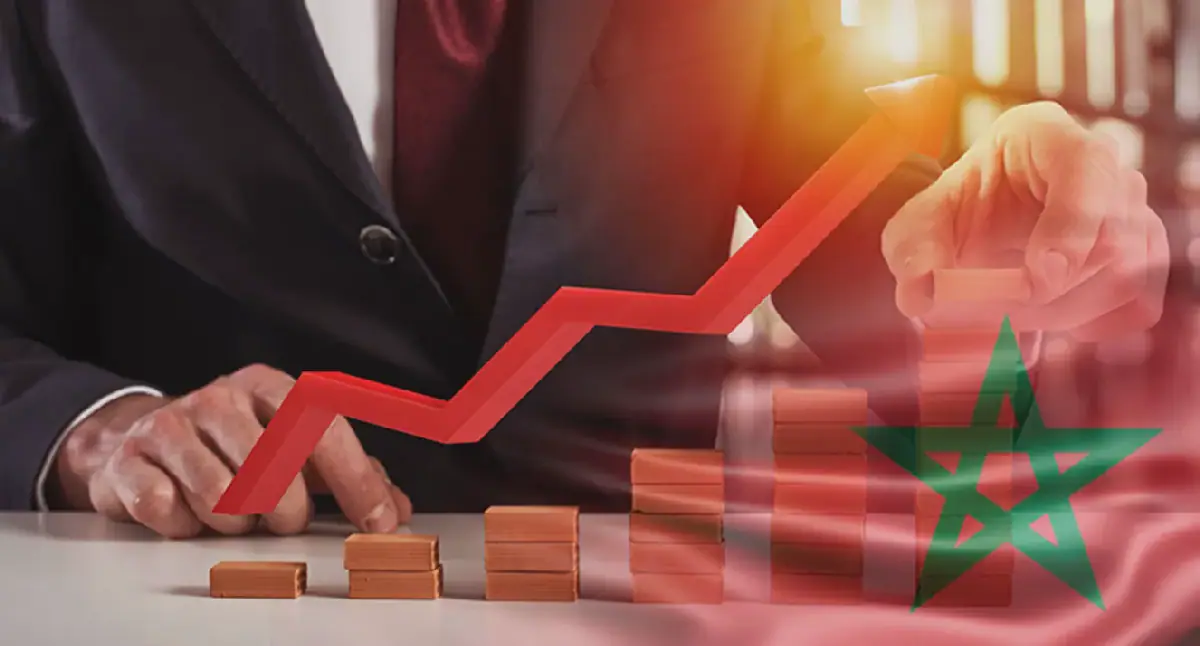
Morocco's economic landscape is facing renewed challenges as external balance pressures resurface. According to recent projections by Bank Al-Maghrib, the country's central bank, the energy bill is expected to rise in 2026, driven by higher oil prices and supply disruptions in the global market. This development has raised concerns about the potential impact on the country's economy.
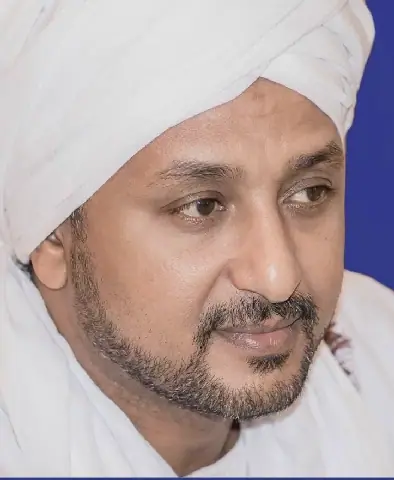
The country's dependence on imported energy sources has made its economy sensitive to external shocks. Economist Abd al-Razzaq al-Hiri noted that the widening current account deficit is a significant concern, as it highlights the country's vulnerability to energy-related external shocks. He emphasized that the issue of energy dependence is not only related to energy security but also to the resilience of the national economy and the stability of its external balances.
The impact of rising energy costs on Morocco's economy is multifaceted. Al-Hiri explained that every sustained increase in oil and gas prices translates into additional costs in foreign currency, putting pressure on the trade balance. These effects can also be transmitted to production costs, transportation costs, and domestic prices. The country's reliance on imported energy sources has significant implications for its economic stability.
To mitigate these risks, al-Hiri emphasized the need for Morocco to accelerate its transition to renewable energy, improve energy efficiency, and promote local industrial integration. By reducing its dependence on imported inputs, the country can minimize its exposure to external shocks. This strategic shift is crucial for maintaining economic stability and promoting sustainable growth.
While Bank Al-Maghrib expects the energy bill to decline in 2027, al-Hiri cautioned against complacency. He noted that international market fluctuations and geopolitical tensions make energy security and diversification of production and supply sources a strategic issue directly related to Morocco's growth sustainability and economic sovereignty.
The resurgence of external balance pressures in Morocco highlights the need for a comprehensive strategy to address the country's energy dependence. By adopting a proactive approach to energy transition and promoting economic diversification, Morocco can reduce its vulnerability to external shocks and ensure sustainable economic growth.
The country's policymakers face significant challenges in addressing these issues. They must balance the need to maintain economic stability with the imperative of promoting sustainable growth and development. The experience of recent years underscores the importance of a coordinated approach to addressing Morocco's economic challenges and promoting a more resilient and sustainable economic model.
Key points
- Morocco's economy faces renewed external balance pressures due to rising energy costs.
- The country's dependence on imported energy sources has made its economy sensitive to external shocks.
- Accelerating the transition to renewable energy and promoting local industrial integration are crucial for reducing Morocco's vulnerability to external shocks.