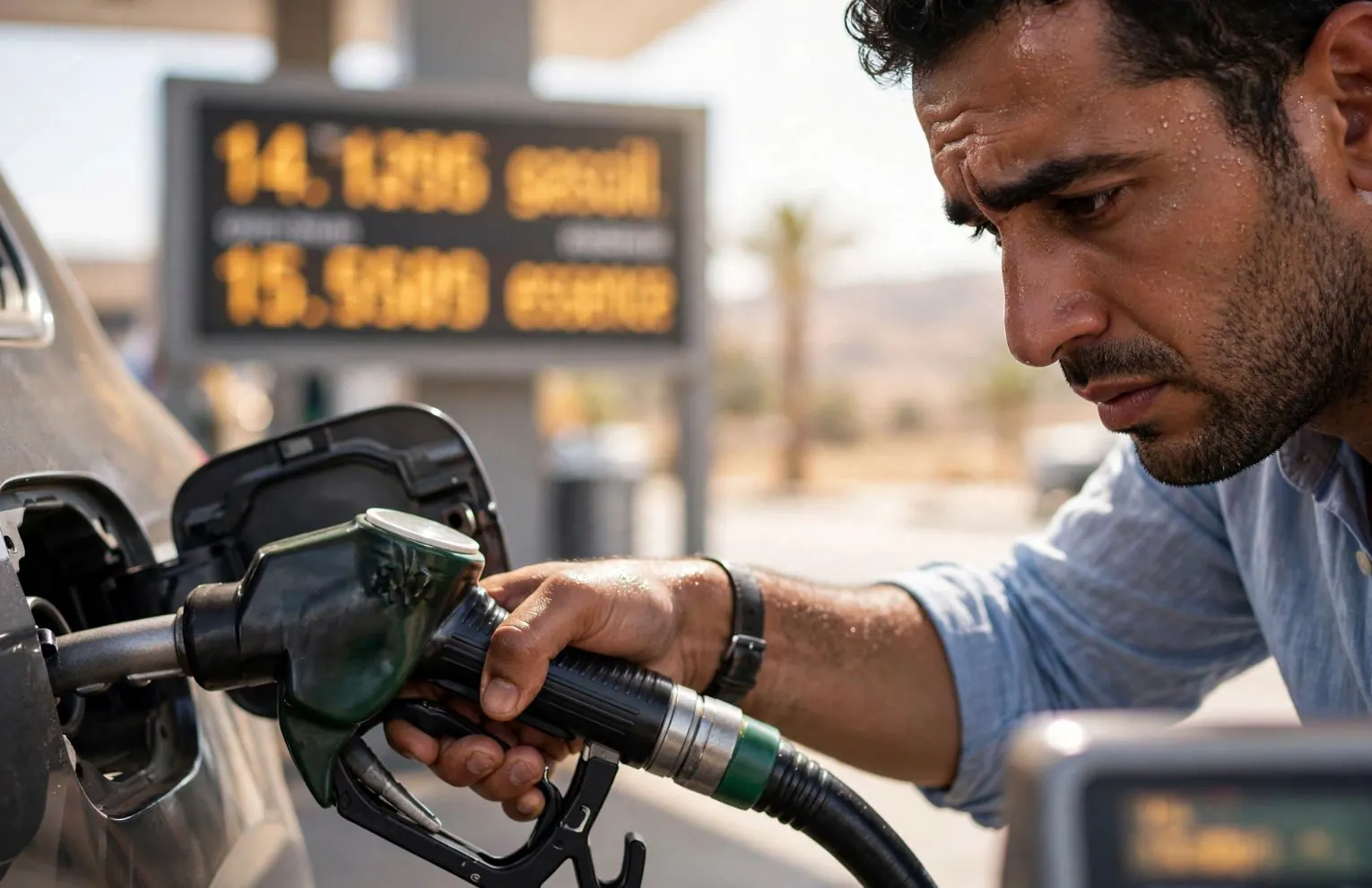
Morocco's Minister of Energy Transition and Sustainable Development, Leila Benali, has announced that the country's fuel supply is expected to remain stable until the end of the year. According to Benali, the current stock of petroleum products ranges from 40 to 60 days and is being closely monitored by the government and sector players. This monitoring aims to ensure a continuous supply of fuel to the national market.
Benali made these statements after a meeting of the ministerial committee tasked with tracking the impact of geopolitical tensions in the Middle East on the national economy. The committee, headed by Prime Minister Aziz Akhannouch, discussed the current situation and measures to mitigate any potential effects on the country's energy supply. The minister emphasized that the government is working to maintain a stable fuel supply, which is essential for the Moroccan economy and households.
In addition to the current stock of fuel, Benali mentioned that Morocco has a number of reserves that can be used to reinforce the national strategic stock of certain energy products, including liquefied petroleum gas and diesel. These reserves are crucial in ensuring a stable supply of fuel to the national market. The ministerial committee is working closely with sector players to monitor the supply of energy products and take necessary measures to address any potential shortages.
Finance Minister Nadia Fattah emphasized that the government is not only monitoring the situation but also mobilizing financial resources to support sectors affected by fluctuations in fuel prices, particularly the transportation sector. These measures aim to mitigate the impact of higher fuel prices on inflation, which has remained relatively stable according to available data. The government's efforts are focused on supporting professionals in the transportation sector and limiting the effects of fuel price fluctuations on the economy.
Fattah stressed that the government's support for the transportation sector will continue until the end of the year, providing a message of reassurance to professionals in the sector. The minister highlighted the importance of continued public policies to support sectors affected by rising fuel prices in the coming weeks and months. These policies aim to protect the purchasing power of Moroccan households and mitigate the impact of higher fuel prices on the economy.
Industry and Trade Minister Ryad Mezouar also emphasized the government's ability to meet Morocco's fuel needs and ensure a regular supply to the national market. Mezouar noted that several measures have been taken to limit the impact of global price increases on domestic prices and protect the purchasing power of Moroccan households. These measures aim to mitigate the effects of higher fuel prices on the economy and ensure a stable supply of energy products.
The ministerial committee tasked with tracking the impact of geopolitical tensions on the national economy meets regularly to assess the situation and take necessary measures. The committee's efforts are focused on ensuring a stable supply of energy products and mitigating the impact of global price fluctuations on the Moroccan economy.
Key points
- Morocco's fuel supply is expected to remain stable until the end of the year.