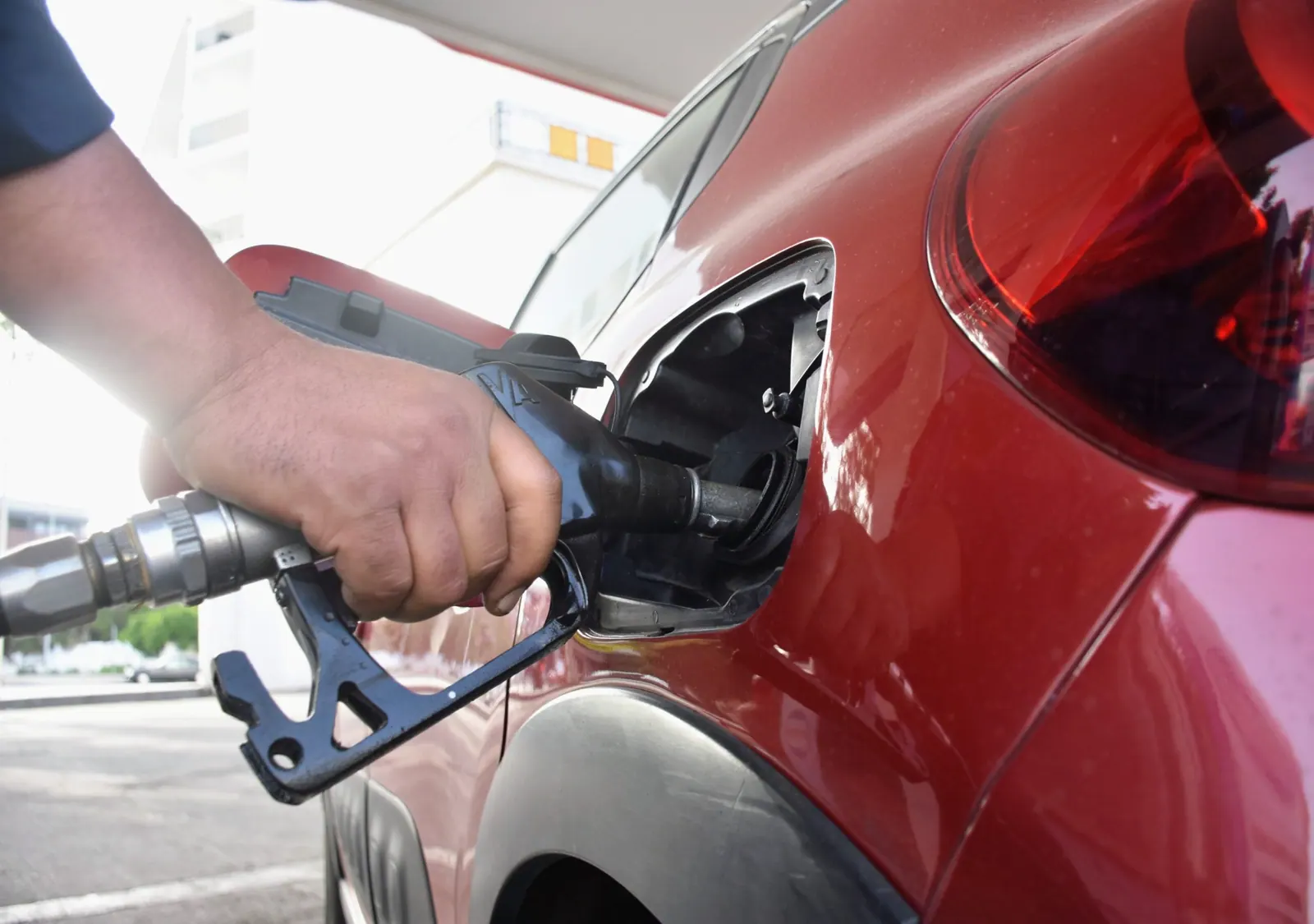
Morocco's energy bill has reached 81.2 billion dirhams as of July 2026, marking a 29.1% increase from the previous year. This significant rise is attributed to the surge in global energy prices. The country's energy costs are heavily influenced by international market trends, and the recent fluctuations in oil prices have had a substantial impact.
The current situation is further complicated by the ongoing tensions in the global energy market. The price of Brent crude oil has been above 100 dollars per barrel since the beginning of the month, driven by the closure of the Strait of Hormuz to commercial traffic and the halt of the Saudi East-West pipeline. This pipeline was a crucial alternative route for Saudi exports, and its disruption has contributed to the increase in oil prices.
Several factors are contributing to the rise in Morocco's energy costs. The price of crude oil is a significant factor, but it is also being driven by specific tensions in the diesel market, high maritime freight rates, and the appreciation of the US dollar. The recent increase in the US interest rate has further exacerbated the situation. These factors are affecting the country's energy bill, which is denominated in dollars.
Despite efforts to diversify its sources of supply, Morocco's exposure to global price fluctuations remains significant. The country imports a substantial portion of its butane from the United States, rather than from the Gulf region, which reduces its logistical risks but does not shield it from the impact of global price increases. The interconnected nature of global markets means that Morocco is still affected by international price trends.
The potential for further increases in energy costs is a concern for Morocco. If the price of Brent crude oil remains between 120 and 130 dollars per barrel, the country's energy bill could increase by an additional 20 to 30 billion dirhams. This scenario is not hypothetical, as the current price trends suggest that oil prices may continue to rise.
The impact of rising energy costs on Moroccan consumers is also a concern. If oil prices remain high, the price of diesel at the pump could reach 16 to 17 dirhams per liter. This would be a significant increase from the 14.93 dirhams per liter recorded at the beginning of the month, before the recent price revision. The final price would depend on various factors, including global prices, exchange rates, and distribution margins.
The Moroccan government's budget planning is also affected by the current energy market trends. The draft 2027 finance bill assumes a price of 75 dollars per barrel, which is significantly lower than the current prices. The government's budget planning will need to take into account the potential for continued price increases and their impact on the country's energy bill.
Key points
- Morocco's energy bill has increased by 29% to 81.2 billion dirhams as of July 2026.