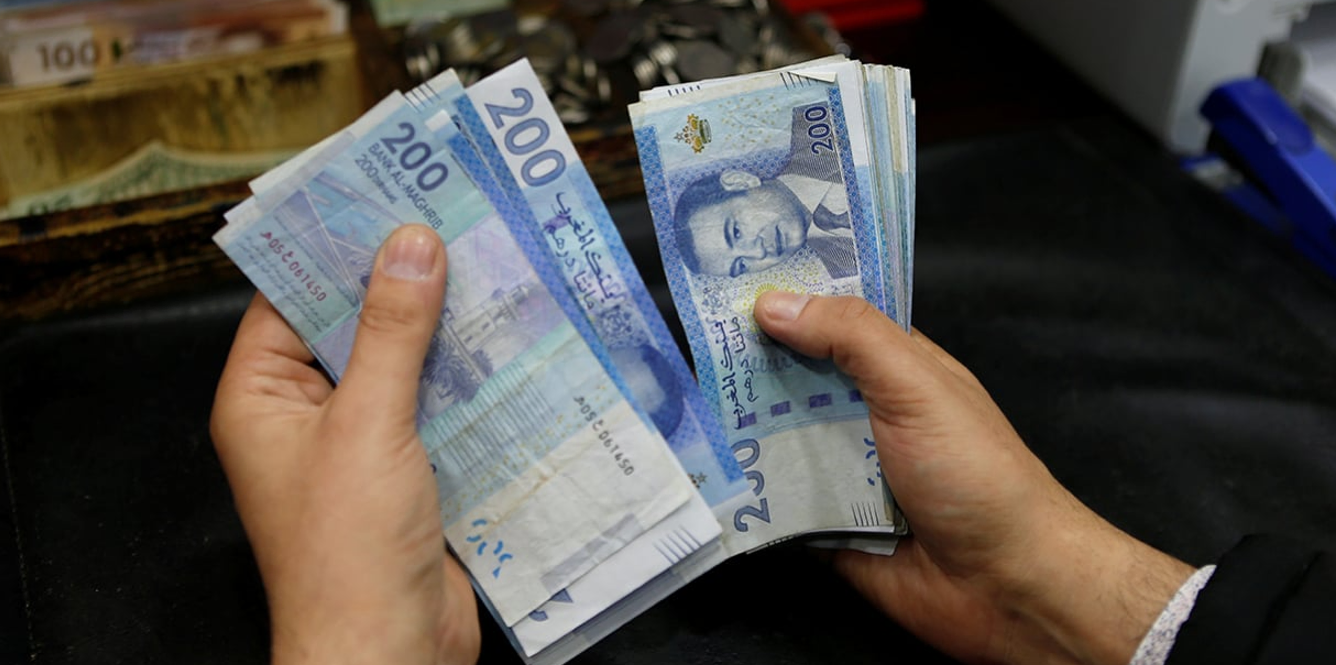
Morocco's dirham is experiencing unusual tension, coinciding with a crucial political moment. On September 29, 2026, King Mohammed VI appointed Fatima Ezzahra El Mansouri as head of government, tasked with forming a new cabinet. The dirham's situation has taken on a new dimension, with concerns about the country's external balances, trade deficits, and the new government's economic challenges. The dirham's value against the euro has reached a psychological threshold.
The latest trade figures reveal a substantial increase in imports, which reached 617.5 billion dirhams by the end of August 2026, up 15.8% from the same period last year. Exports, however, rose by only 8.7% to 334.9 billion dirhams. This resulted in a trade deficit of 282.6 billion dirhams, a 25.4% increase from the previous year. The coverage ratio of imports by exports fell to 54.2%, down from 57.7% a year earlier.
The trade deficit has become more pronounced in 2026, with imports increasing by 84.3 billion dirhams in just eight months, while exports rose by only 26.9 billion dirhams. This gap of 57 billion dirhams is reflected in the widening trade deficit, which has significant implications for the country's foreign exchange needs. To finance its imports, Morocco relies on various sources, including tourism revenues, remittances from Moroccans abroad, and foreign direct investment.
While Morocco's trade deficit appears alarming, the country has significant buffers to mitigate the pressure. Tourism revenues reached 97.9 billion dirhams by the end of August 2026, up 9.7% from the same period last year. These revenues help compensate for part of the trade deficit, reducing the risk of a currency crisis. However, the growing deficit requires the economy to generate increasing volumes of foreign exchange.
The current situation is more related to a flow problem than a stock issue, with the economy needing to finance a substantial part of its import bill. The problem goes beyond 2026, with import growth outpacing export growth over the past few years. Between 2021 and 2025, imports rose by approximately 56%, while exports increased by around 42%, resulting in a 77% surge in the trade deficit.
The year 2025 was already a warning sign, with imports increasing by 8% and exports growing by only 2.8%. The trade deficit jumped by 48.2 billion dirhams, or 15.8%, in a single year. In 2026, the trend continued, with imports rising by 15.8% and exports growing by 8.7%. This persistent imbalance reveals deeper issues with the country's productive capacity, competitiveness, and reliance on imports.
The dirham's pressure cannot be analyzed solely as a seasonal or punctual phenomenon. The economic challenges facing Morocco, including its dependence on energy imports and certain inefficiencies in its productive apparatus, predate the current government. However, the government is responsible for addressing these vulnerabilities and reducing the trade deficit, which has increased by approximately 154 billion dirhams between 2021 and 2025.
Key points
- Morocco's dirham faces pressure due to a significant trade deficit and rising imports.
- The country's trade deficit has widened substantially, with imports growing faster than exports.
- The new government will need to address the country's economic imbalances and reduce its reliance on imports.