Morocco's occupation authorities have resorted to using "bullying" tactics at the United Nations to counter criticism of their actions in Western Sahara. This approach is seen as an attempt to silence voices advocating for the Sahrawi people's right to self-determination. The move comes ahead of upcoming UN Security Council meetings on the occupied territory later this month.
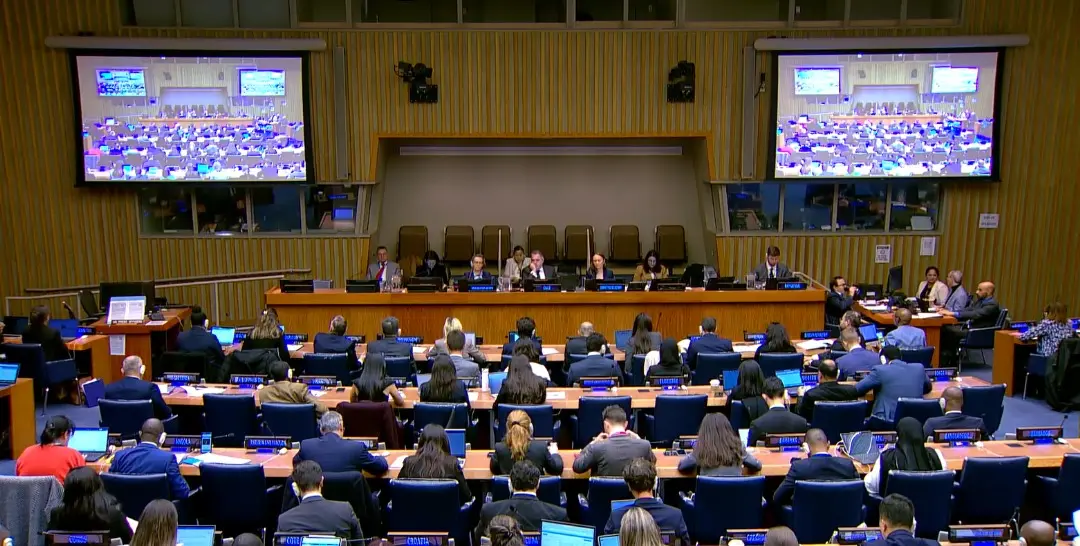
A recent meeting of the UN General Assembly's Special Political and Decolonization Committee (Fourth Committee) witnessed another episode of Morocco's diplomatic intimidation in New York. The Moroccan delegation repeatedly interrupted a statement by French activist Jacqueline Fontan, who was presenting facts about Morocco's human rights abuses against Sahrawi civilians and prisoners in Moroccan jails.
Fontan began her statement by highlighting the plight of Sahrawi political prisoners in Moroccan jails, citing ongoing hunger strikes and demands for the implementation of UN Committee against Torture decisions. She also discussed the situation of young Sahrawis in occupied Western Sahara, who face arrest, ill-treatment, and pressure to leave the territory.
Despite interruptions from the Moroccan delegation, Fontan continued her statement, citing testimony from Sahrawi youth who have fled to France. They described life under Moroccan occupation as more difficult than their experiences as asylum seekers in French Guiana. Fontan's remarks underscored the human cost of Morocco's occupation.
A representative of the Polisario Front at the UN, Sidi Mohamed Amar, condemned Morocco's behavior, stating that it demonstrates their "defeat in the face of strong arguments and logic." Amar emphasized that such tactics only serve to highlight Morocco's authoritarian nature, where freedoms are curtailed and human rights disregarded.
This is not the first instance of Morocco employing such underhanded tactics to undermine the Sahrawi cause. The occupation authorities have previously attempted to disrupt the participation of the Sahrawi Arab Democratic Republic in international events. Critics argue that Morocco's actions betray its self-image as a proponent of democracy and human rights.
The diplomatic fallout highlights ongoing tensions over Western Sahara's status. Morocco's continued occupation of the territory, disputed by the Polisario Front, remains a contentious issue at the UN. The international community closely watches Morocco's actions, as they impact regional stability and the Sahrawi people's quest for self-determination.
Key points
- Morocco uses strong-arm tactics at the UN to silence criticism of its actions in Western Sahara.
- Sahrawi activists and supporters face intimidation and disruption from Moroccan diplomats.
- The conflict over Western Sahara's status remains unresolved, with Morocco's occupation opposed by the Polisario Front.