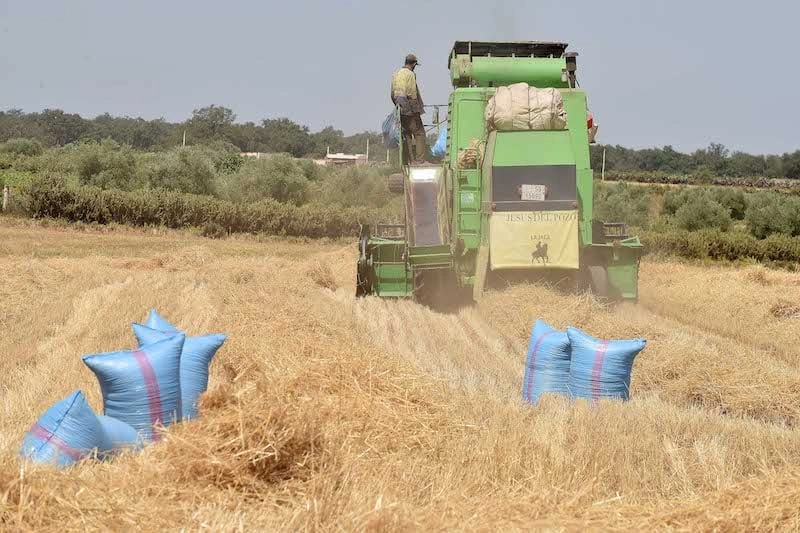
Morocco's demand for French wheat has decreased substantially, with a decline of 1 million tons, as per the latest estimates from FranceAgriMer. The country's imports of soft wheat from France are expected to reach 2.5 million tons, down from 3.5 million tons in the previous season. This decline is attributed to Morocco's improved domestic production, which has led to a temporary suspension of soft wheat imports to protect local producers.
The reduction in Moroccan demand for French wheat is also linked to the quality of France's wheat harvest, which was affected by excessive rainfall. This resulted in lower technical standards, including a decrease in the specific weight of the wheat, making it less suitable for export to countries like Morocco. Despite the resumption of imports by Moroccan millers, the overall demand for foreign shipments has decreased.
According to FranceAgriMer, the decline in French wheat exports to Morocco reflects a decrease in the competitiveness of French wheat in the global market. Morocco is a significant market for French wheat, and the decline in demand may impact French farmers and exporters. The Moroccan government's decision to suspend wheat imports temporarily was aimed at supporting local producers and protecting the domestic market.
The decrease in Morocco's demand for French wheat may have implications for the global wheat market. Morocco is one of the largest importers of wheat in the world, and any changes in its demand can impact global prices and trade flows. The country's improved domestic production and subsequent reduction in imports may lead to a more balanced global wheat market.
The French wheat sector is closely monitoring the situation, as Morocco is a key market for French wheat exports. The decline in demand may lead to a shift in French wheat exports to other markets, such as Algeria or Tunisia. However, the quality issues affecting the French wheat harvest may impact its competitiveness in these markets as well.
Morocco's agricultural sector has made significant progress in recent years, with improved production and yields. The country's efforts to support local producers and protect the domestic market are expected to continue, which may impact its demand for imported wheat in the future. The Moroccan government's policies and decisions will be closely watched by the global wheat market.
The decline in Morocco's demand for French wheat highlights the complexities of the global wheat market, where various factors, including production levels, quality, and government policies, can impact trade flows and demand. The situation will continue to evolve, and market participants will be monitoring developments closely to adjust their strategies and expectations.
Key points
- Morocco's demand for French wheat has declined by 1 million tons due to improved domestic production and quality issues affecting the French wheat harvest.