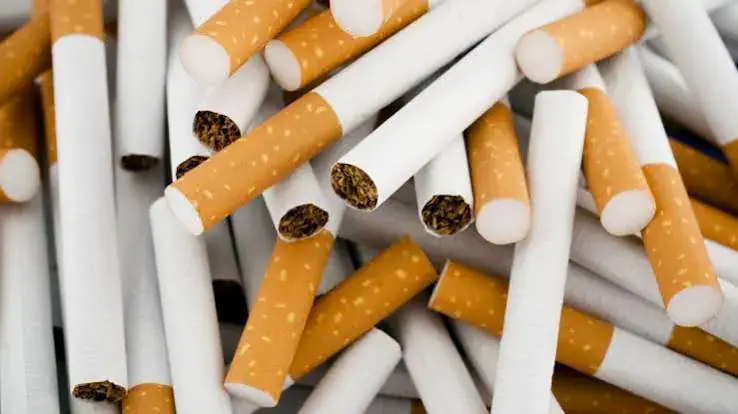
The Moroccan government expects to generate 17.7 billion dirhams from tobacco in 2026, representing nearly 5% of its total fiscal revenue and approximately one-third of the projected budget deficit. This marks an increase of four billion dirhams from the previous year. The revenue from tobacco is substantial, accounting for over 40% of the Ministry of Health and Social Protection's budget for 2026.
The health costs associated with tobacco consumption in Morocco are significant, with an evaluation conducted in 2021 estimating that tobacco-related healthcare expenses exceed 5 billion dirhams annually. This figure represents 8.5% of the country's total healthcare expenditures and 0.45% of its GDP. Furthermore, it is estimated that approximately 12,800 premature deaths are attributed to tobacco use each year.
Morocco has opted to regulate and tax tobacco products rather than impose an outright ban. The government has increased taxes on tobacco, with the internal consumption tax rising from 100 dirhams in 2022 to 550 dirhams in 2026. This approach has yielded results, as evidenced by a decline in cigarette smuggling. According to a 2025 study by the Customs, the illicit market share decreased to 1.37% from 2.81% in 2022.
Despite the progress made in reducing the black market, tobacco consumption in Morocco remains high, with the legal market selling around 15 billion cigarettes annually. This places Morocco among the largest consumers of tobacco in the Mediterranean region. The government has extended regulations to include electronic cigarettes, nicotine pouches, and shisha tobacco, imposing composition and labeling standards.
However, there are concerns about the underreporting of tobacco use among women in Morocco. According to a 2018 national survey, only 0.4% of women smoke, compared to 26.9% of men. This disparity may be attributed to social stigma surrounding female smoking, potentially leading to underreporting. Some studies suggest that a portion of female tobacco consumption may remain hidden from surveys.
The long-term effects of tobacco use, particularly among women, are a pressing concern. The impact of tobacco on mortality often manifests decades after exposure, and the consequences of increasing female tobacco use may not be fully apparent until around 2055. The introduction of new nicotine products may also affect smoking patterns, potentially leading to a narrowing of the gap between male and female smokers.
Morocco's approach to tobacco regulation contrasts with that of other countries. The UK has implemented a law prohibiting tobacco sales to individuals born after January 1, 2009, while New Zealand had previously passed similar legislation before repealing it in 2024. The Maldives has also adopted a generational ban on tobacco sales. Morocco must consider its unique circumstances and weigh the potential consequences of altering its current approach.
Key points
- Morocco's tobacco industry generates significant revenue but poses substantial health risks.
- The country has opted to regulate and tax tobacco products rather than impose an outright ban.
- There are concerns about underreporting of tobacco use among women in Morocco.