Morocco's construction and public works sector is set to experience a strategic year in 2027, driven by a planned public investment of 400 billion dirhams ($44 billion) as outlined in the 2027 Finance Bill. This investment is expected to have a considerable impact on the sector, with an estimated 200-280 billion dirhams potentially allocated to public markets in the construction and public works sector.
The estimated allocation of 200-280 billion dirhams to the construction sector represents a significant opportunity for growth and development. According to economist Abdeslam Touhami, this amount should not be considered as an integral budget envelope reserved for construction companies, but rather as an estimate of the potential economic volume that could interest the sector. The allocation will finance various projects, including ports, highways, rail lines, airports, dams, energy infrastructure, and sports facilities.
The 2027 Finance Bill outlines a public investment of 400 billion dirhams, an increase from 380 billion dirhams in the previous year. This investment aims to maintain a sustained pace of development of major structuring projects in Morocco. The construction sector will likely benefit from 50-70% of the public market opportunities, translating to a significant allocation of funds for various projects.
The Moroccan government's focus on infrastructure development is driving growth in the construction sector. The investment will support several large-scale projects, including railway, highway, port, and airport developments, as well as hydraulic, energy, and sports infrastructure. These projects are expected to create opportunities for construction companies, engineering firms, material suppliers, and subcontractors.
The allocation of funds for public investments is distributed among various stakeholders, including public establishments and enterprises, the general state budget, and territorial collectivities. Public establishments and enterprises, including the Mohammed VI Fund, will receive 251 billion dirhams, representing 62.75% of the total investment. The general state budget and special treasury accounts will receive 124 billion dirhams, while territorial collectivities will receive 25 billion dirhams.
The diversity of stakeholders and projects is expected to create a range of opportunities for construction companies, particularly small and medium-sized enterprises (SMEs). The projects will cover various segments of the market, including civil engineering, building, excavation, and infrastructure development. The growth in public investments is a significant signal for the sector, reflecting the government's focus on infrastructure development as a driver of economic growth.
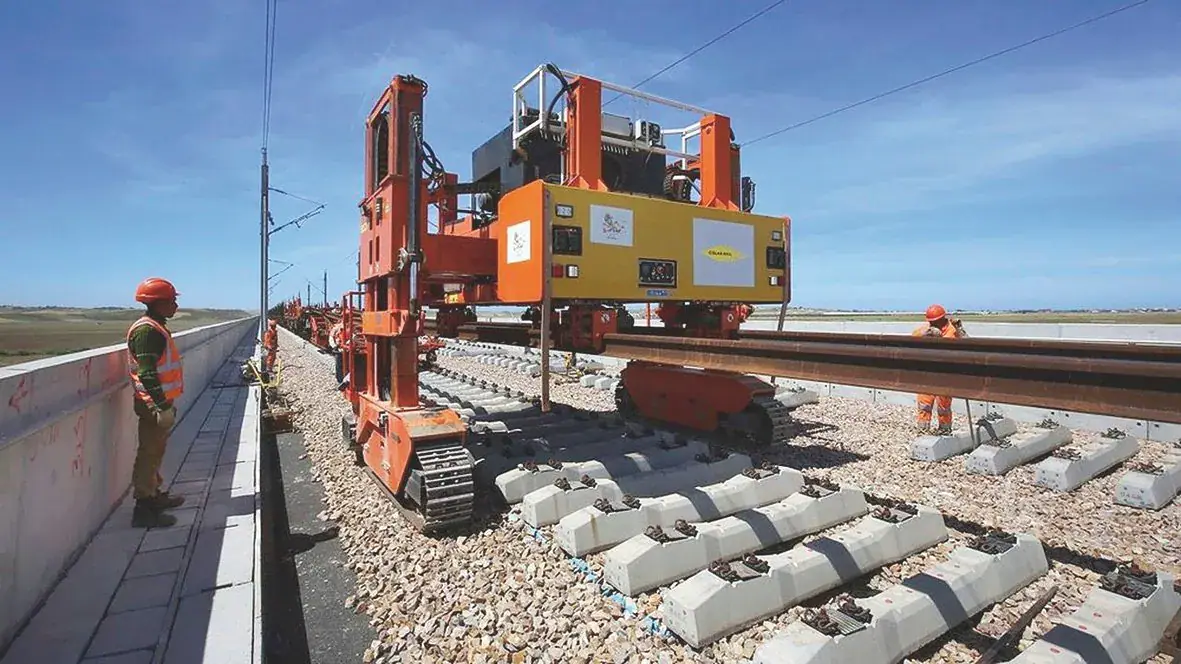
Key projects, such as the high-speed line between Kenitra and Marrakech, will drive growth in the construction sector. The development of regional express networks and the expansion of the highway network, including the Rabat-Casablanca continental highway, will also create new opportunities for construction companies.
Key points
- The construction sector is expected to benefit from an estimated 200-280 billion dirhams in public market opportunities in 2027.
- The Moroccan government's focus on infrastructure development is driving growth in the construction sector.
- The allocation of funds for public investments is distributed among various stakeholders, including public establishments and enterprises, the general state budget, and territorial collectivities.
Reporting sources
- Marchés publics: entre 200 et 280 MMDH à prendre dans le BTP en 2027 · Challenge Hebdo