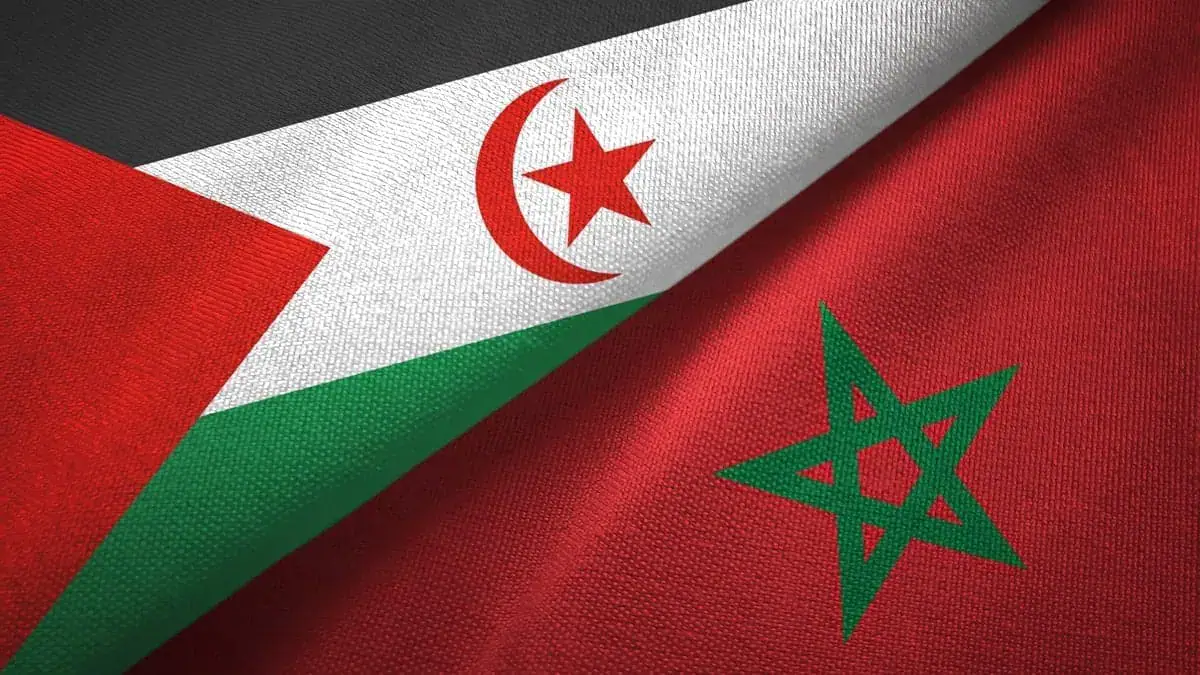
The Moroccan royal cabinet recently released a statement reaffirming the country's commitment to the ceasefire in Western Sahara, describing it as a "voluntary engagement" that will not change with the end of the UN mission's mandate. The statement also criticized the MINURSO mission for its inability to monitor the ceasefire and hold parties accountable for violations. This development has raised concerns about Morocco's intentions and the future of the ceasefire.
The ceasefire, which was established on September 6, 1991, was not a unilateral initiative by Morocco, but rather part of a plan agreed upon by Morocco and the Polisario Front, with the support of the United Nations and the Organization of African Unity. The plan, which was approved by the UN Security Council in resolutions 658 and 690, included a referendum on the future of Western Sahara, which has yet to be held. The ceasefire was a crucial component of this plan, and its continuation is closely tied to the implementation of the plan's other provisions.
Morocco's actions in November 2020, when it intervened militarily in Guerguerat, violating the demilitarized zone, raised concerns about its commitment to the ceasefire. The intervention was seen as a serious escalation, and the country's actions have been criticized for undermining the fragile peace in the region. The Accords militaires n°1, signed in 1997 and 1998, explicitly prohibit the entry of military personnel and equipment into the demilitarized zone.
By presenting the ceasefire as a voluntary engagement, Morocco is glossing over its historical and legal obligations, critics argue. The country's actions suggest that it is trying to create a narrative that the ceasefire is no longer tied to the UN mission or international agreements, but rather to its own discretion. This development has sparked concerns about the future of the ceasefire and the potential for renewed conflict in the region.
The Moroccan royal statement also seemed to send a message about the post-MINURSO era, suggesting that the country intends to present the maintenance of the ceasefire as a matter of its own volition, independent of international oversight. This could have significant implications for the future of the conflict, as it may allow Morocco to reinterpret the ceasefire in a way that suits its own interests.
Critics argue that Morocco's actions are aimed at deflecting attention from its own responsibilities in the conflict, including its occupation of Western Sahara and its treatment of the Sahrawi population. By presenting itself as a voluntary adherent to the ceasefire, Morocco may be trying to create a narrative that it is the victim of aggression, rather than the occupying power.
The controversy surrounding Morocco's commitment to the ceasefire highlights the ongoing challenges in resolving the Western Sahara conflict. The situation remains complex, with many parties involved, and a lasting solution will require a deep understanding of the historical, legal, and political context.
Key points
- Morocco's recent statement on the Western Sahara ceasefire has sparked controversy, with many questioning the country's true intentions.
- The ceasefire was established as part of a plan agreed upon by Morocco and the Polisario Front, with the support of the United Nations and the Organization of African Unity.
- Morocco's actions in November 2020 raised concerns about its commitment to the ceasefire and the potential for renewed conflict in the region.