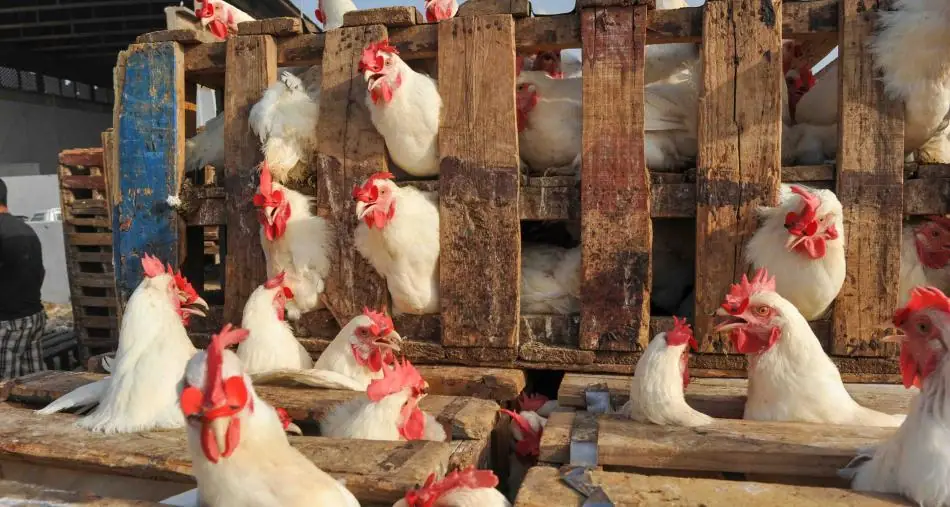
Morocco's poultry sector has achieved significant production levels, with 828,000 tons of chicken and 7.06 billion eggs produced last year. The industry has a substantial annual turnover of nearly 48 billion dirhams and provides employment for around 181,000 people directly and 350,000 indirectly. Despite this, chicken prices have surged to an average of 27 dirhams per kilogram, impacting household expenses, especially with the rising cost of red meat.
The discrepancy between the high production levels and soaring prices has raised questions about the efficiency of the value chain in the poultry sector. The sector's growth and development are crucial for Morocco's economy and food security, as chicken meat accounts for approximately 55% of the country's total meat consumption. Industry professionals have noted that the current period is marked by a clear imbalance between supply and demand, contributing to the price hike.
The Moroccan government's contract-program for the poultry sector, signed in May 2023, aims to address some of the challenges facing the industry. The contract, worth 2.02 billion dirhams, includes investments to improve breeding, production, and marketing. It targets an increase in white meat production to 912,000 tons and egg production to 7.6 billion units by 2030. Additionally, it plans to create around 140,000 new jobs in the sector.
Industry stakeholders and professionals acknowledge that several factors contribute to the high prices, including increased production costs and logistical challenges. They emphasize the need for better coordination and efficiency throughout the value chain to stabilize prices and ensure a steady supply of affordable chicken meat to consumers. The government's efforts to support the sector and improve its competitiveness are seen as crucial steps in addressing these issues.
The poultry sector's development is also seen as a key factor in Morocco's efforts to enhance its food security and reduce its reliance on imports. The country's goal of increasing its production and export capabilities, particularly to African markets, is part of a broader strategy to strengthen its economic position and create new opportunities for growth.
Despite the challenges, the Moroccan poultry sector has shown resilience and potential for growth. The implementation of the contract-program and other initiatives aimed at improving the sector's efficiency and competitiveness are expected to have a positive impact on the market. However, the effectiveness of these measures will be closely watched by consumers and industry stakeholders.
As the sector continues to evolve, its ability to balance production with demand and maintain stable prices will be crucial for its long-term sustainability and contribution to Morocco's economy. The government's support and the sector's adaptability will play significant roles in addressing the challenges and seizing the opportunities that lie ahead.
Key points
- Morocco's poultry sector produced 828,000 tons of chicken, yet prices reached 27 dirhams per kilogram.
Reporting sources
- رغم إنتاج 828 ألف طن.. الدجاج يتجاوز 27 درهما للكيلوغرام والأسر تدفع الثمن · Al Ittihad Al Ichtiraki