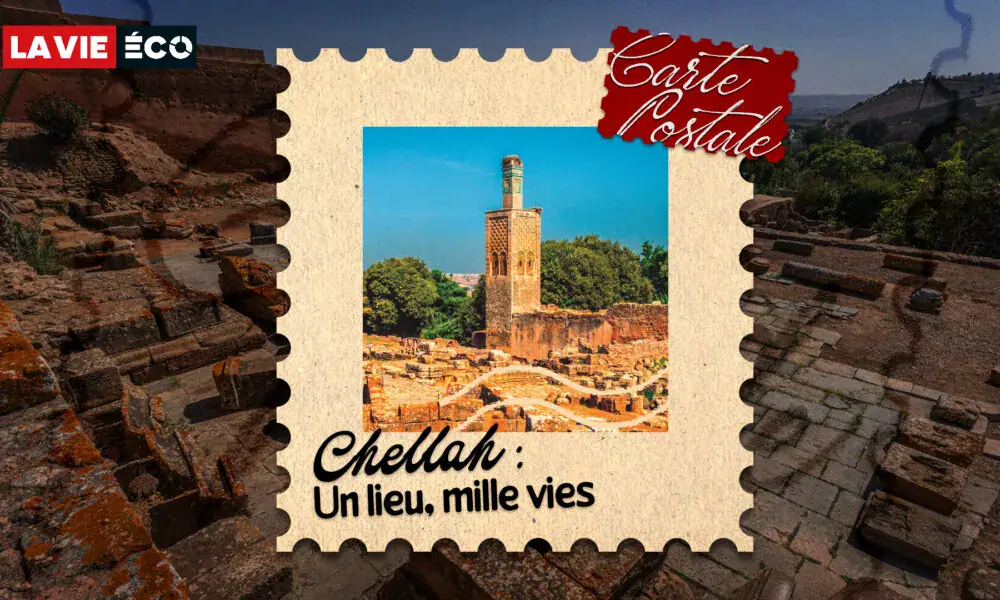
The Chellah site, located near Rabat, Morocco, has undergone significant restoration and now offers visitors a glimpse into its 2,000-year history. The site, situated on a hill overlooking the Bouregreg river, features a monumental gate that serves as an entrance to a rich history. With an audio guide, visitors can explore 29 stages in several languages, uncovering stories, anecdotes, and soundscapes that bring the site's ancient stones to life.
The Chellah site was initially a settlement for Phoenician sailors from the Mediterranean, who were drawn to its sheltered location. Under the Roman Empire, it was renamed Sala Colonia and became the southernmost outpost of the province of Mauritania Tingitana. Visitors can walk along the decumanus, the main paved road that traversed the city, and imagine the bustling activity of the forum, where merchants, magistrates, and locals would gather.
The site features several well-preserved Roman ruins, including a temple, an arch, and a monumental fountain that supplied the city with water. The Chellah was also an important port, exporting goods such as olive oil, wheat, and salted fish to the rest of the Roman world. As the centuries passed, the Roman city gradually fell into disrepair, only to be revitalized by the Merinid dynasty in the 14th century.
The Merinid sultans transformed the Chellah into their final resting place, surrounding it with high red walls and adding a majestic gate with two towers and ornate arches. Visitors can explore the sacred enclosure, which includes an oratory, a prayer hall, and the remains of a madrassa where students and scholars would study. The site also features the tombs of several Merinid sultans, including Sultan Abou al-Hassan, a prominent builder of the dynasty.
One of the site's most distinctive features is its minaret, adorned with green and white zellij tiles and topped with a nest of storks. This image has become an emblem of the Chellah. Throughout its history, the site has served not only as a necropolis but also as a place of pilgrimage and contemplation.
Today, the Chellah is a popular destination for tourists and locals alike, hosting concerts and cultural events that blend heritage and contemporary creativity. Visitors can enjoy the site's scenic views, explore its shaded areas, or relax at a nearby café or restaurant. The Chellah is part of Rabat's UNESCO World Heritage site designation, offering a unique glimpse into Morocco's rich history, where Roman, Islamic, and natural elements converge.
The Chellah site is located just a few minutes from Rabat's city center, making it an easily accessible destination for those interested in exploring Morocco's history and culture. With its rich history, stunning architecture, and serene atmosphere, the Chellah is a must-visit destination for anyone traveling to Rabat.
Key points
- The Chellah site features a 29-step audio guide in multiple languages.
- The site was an important port in the Roman world, exporting goods such as olive oil and wheat.
- The Chellah is part of Rabat's UNESCO World Heritage site designation.