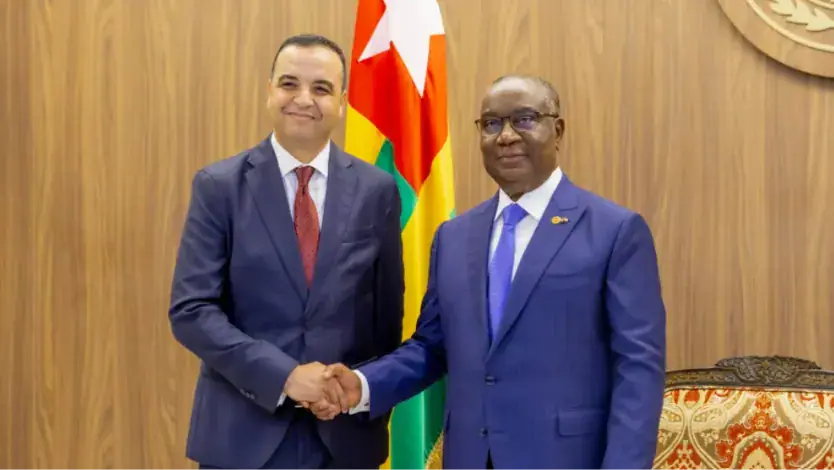
Moroccan parliamentarian Mustapha Baitas has emphasized the need for African countries to unify their voices globally to address climate and economic challenges. Speaking at the 48th Conference of the African Parliamentary Union in Togo, Baitas highlighted Morocco's experience as a reliable international partner. He stressed that the continent faces complex international challenges, including migration, terrorism, and economic instability. Baitas cited Morocco's comprehensive approach to addressing these issues, which includes promoting economic and social development, combating extremism, and establishing a robust legal framework.
Baitas noted that Africa is disproportionately affected by global crises, such as the COVID-19 pandemic, conflicts in Ukraine and the Middle East, and disruptions to supply chains. These crises have led to rising prices, increased debt burdens, and food and energy insecurity on the continent. He argued that African parliaments must play a more active role in addressing these challenges. This can be achieved by uniting to advocate for reforms to the global financial governance system, debt restructuring, and fair climate financing.
The Moroccan parliamentarian emphasized the importance of enhancing legislative and economic sovereignty through laws that promote food, health, and energy security. He also advocated for accelerating the implementation of the African Continental Free Trade Area (ZLECAf) and investing in human capital and scientific research. Baitas stressed that effective continental solidarity is crucial to securing Africa's future. He highlighted the continent's vast human and natural resources, which can be leveraged to establish balanced and equitable international partnerships.
Baitas highlighted the success of Morocco's approach in addressing social and economic challenges. He cited the country's efforts to promote youth development, combat extremism, and establish a robust legal framework to prevent money laundering and terrorist financing. These efforts have contributed to reducing vulnerability and providing alternatives for young people. Baitas emphasized the importance of sharing experiences and best practices among African countries to address common challenges.
The African Parliamentary Union's conference focused on addressing the challenges of unemployment, migration, and terrorism. Baitas, who led the Moroccan delegation, emphasized the need for a comprehensive approach to addressing these issues. He highlighted the importance of economic and social development, as well as promoting values of moderation and tolerance. Baitas also stressed the need for effective security measures and intelligence cooperation to combat terrorism.
Baitas argued that Africa's vulnerabilities can be turned into opportunities with the right approach. He emphasized the importance of international partnerships based on mutual benefit, technology transfer, and deepened regional cooperation. The Moroccan parliamentarian highlighted the need for African countries to work together to address global challenges. He called for a united African voice to advocate for the continent's interests on the global stage.
The conference provided a platform for African parliamentarians to discuss key issues affecting the continent. Baitas's remarks reflected Morocco's commitment to promoting African unity and cooperation. He emphasized the need for collective action to address the continent's challenges and promote sustainable development. The conference concluded with a call for African countries to work together to build a brighter future for the continent.
Key points
- Moroccan parliamentarian Mustapha Baitas calls for African unity to address climate and economic challenges
- Baitas highlights Morocco's experience as a reliable international partner in addressing social and economic challenges
- African countries must unite to advocate for reforms to the global financial governance system and fair climate financing
Reporting sources
- بايتاس: إفريقيا بحاجة لتوحيد صوتها دوليا للترافع حول تحدياتها المناخية والاقتصادية · Al Ahdath Al Maghribia