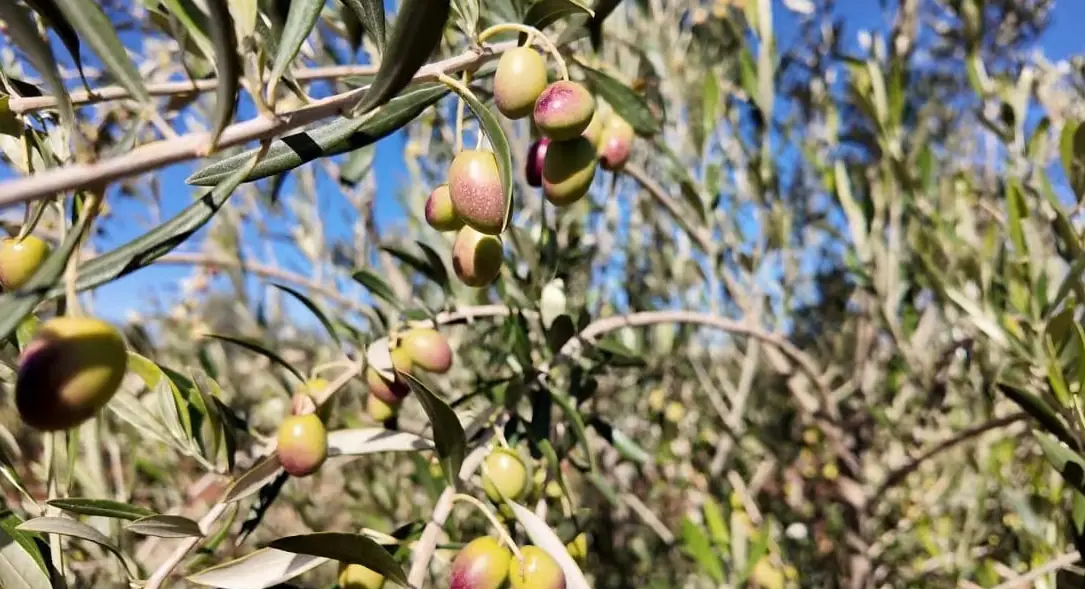
In Morocco's Al Hoceima province, the olive oil sector plays a vital role in the local agricultural strategy. The current harvest season is crucial for farmers, with the goal of increasing local production and improving incomes for small-scale farmers, particularly in rural and mountainous areas. The province's olive oil industry offers significant economic and social opportunities in production, marketing, and product valorization.
The province has approximately 14,900 hectares dedicated to olive cultivation, with a production of nearly 2,700 tonnes in the last agricultural campaign. These numbers demonstrate the sector's importance in the local agricultural landscape and its contribution to rural economic development. As part of efforts to develop this culture, new olive tree plantations have been established on around 610 hectares under the solidarity agriculture program.
Abdeljalil Monsef, an engineer at the Al Hoceima Provincial Agriculture Directorate, emphasized that olive cultivation is one of the province's main agricultural sectors. He stated that the total area planted with olive trees is around 14,900 hectares, with 11,700 hectares in production. The expected production for the current campaign is approximately 4,472 tonnes of olives. The provincial agriculture directorate continues to implement projects to develop the olive oil sector.
The "Génération Green 2020-2030" strategy aims to support the development of olive cultivation, with a focus on extending cultivated areas and improving production. Since 2025, planting operations have covered around 600 hectares, and the program will be expanded to other areas of the province. The province's arboricultural potential extends beyond olive trees, with a diverse range of fruit trees, including almond and fig trees.
Under the "Plan Maroc Vert 2010-2020", the province implemented plantation projects covering 17,000 hectares of almond trees, 3,400 hectares of fig trees, and 2,400 hectares of olive trees. The "Manarat Al-Moutawassit" program also contributed to this dynamic, with complementary projects including the planting of 3,720 hectares of almond trees, 200 hectares of fig trees, and 770 hectares of olive trees.
In addition to tree planting, technical support for farmers is a priority. The National Agricultural Advisory Office (ONCA) plays a key role in providing guidance and support, from selecting suitable varieties and planting techniques to monitoring, maintenance, and improving farm yields. The focus is now on improving production quality, valorization, and marketing.
The goal is to make Al Hoceima's arboricultural heritage a driving force for rural development, job creation, and agricultural sustainability. The olive oil sector is expected to continue playing a significant role in the province's agricultural development, with ongoing efforts to improve production, valorization, and commercialization.
Key points
- The province has approximately 14,900 hectares dedicated to olive cultivation.
- The expected production for the current campaign is approximately 4,472 tonnes of olives.
- New olive tree plantations have been established on around 610 hectares under the solidarity agriculture program.