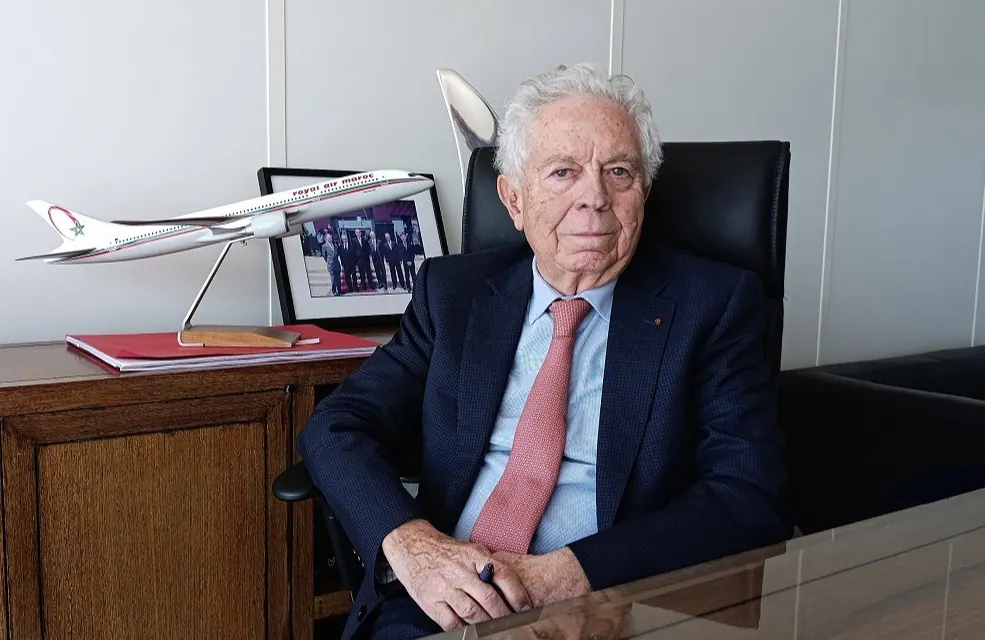
Morocco's aerospace industry is transitioning into a new phase of development, marked by strategic partnerships with major global players. After 25 years of growth as a competitive production base, the sector aims to become a shared design partner. Hamid Benbrahim El Andaloussi, President of Midparc, a key player in the industry's emergence and development, highlights this shift as "Moroc Aéro 2.0". The focus is on high-value-added activities such as maintenance, repair, and overhaul (MRO) and decarbonization.
The industry's growth is driven by significant investments, including a recent Safran project in Midparc, which involves the production of LEAP aircraft engines and landing gear. This €500 million investment is expected to generate over 1,000 high-skilled jobs. The LEAP complex, spanning 17 hectares, will feature a maintenance center capable of handling 150 engines annually and an assembly plant. This development marks a significant milestone for Morocco's aerospace industry, as it moves beyond a mere production base to a strategic partnership role.
The Moroccan aerospace industry has established itself as a critical component of the global aerospace supply chain, with 160 companies operating in the sector. The country's competitive advantages, including a skilled workforce and favorable business environment, have attracted major players like Safran. The CEO of Safran views Morocco as a strategic partner, underscoring the country's growing importance in the industry. This partnership will enable Morocco to participate directly in the most advanced value chains.
The global aerospace industry faces three significant challenges: meeting strong demand for air transport, developing new aircraft, and addressing talent shortages. Morocco's aerospace sector is well-positioned to address these challenges, with a proven track record of growth and a diverse range of companies operating in the sector. The country's ability to adapt to emerging trends, such as MRO and decarbonization, will be crucial in sustaining its growth.
The development of MRO activities, particularly around the LEAP engine, presents a new growth opportunity for Morocco. The country aims to become a global hub for MRO, requiring significant investments in infrastructure, skills, and talent. With its existing expertise and diverse range of companies, Morocco is well-positioned to capitalize on this opportunity. The country's aerospace industry must continue to innovate and adapt to emerging trends to maintain its competitive edge.
Talent development is a critical component of Morocco's aerospace industry growth strategy. The sector faces a shortage of skilled professionals globally, and Morocco must develop its own talent pipeline to sustain growth. The country's focus on education and training programs, including the development of a university-industry pole, aims to address this challenge. By investing in talent development, Morocco can ensure its long-term competitiveness in the aerospace industry.
Morocco's aerospace industry is poised for continued growth, driven by strategic partnerships, investments in high-tech activities, and a focus on talent development. The country's ambition to become a major player in the global aerospace industry is within reach, with a clear vision for the future. As the industry continues to evolve, Morocco's adaptability and commitment to innovation will be essential in maintaining its position as a strategic partner.
Key points
- Morocco's aerospace industry is shifting from subcontracting to strategic partnerships with major global players.
- The country aims to become a global hub for maintenance, repair, and overhaul (MRO) activities.
- Talent development is critical to sustaining growth in Morocco's aerospace industry.