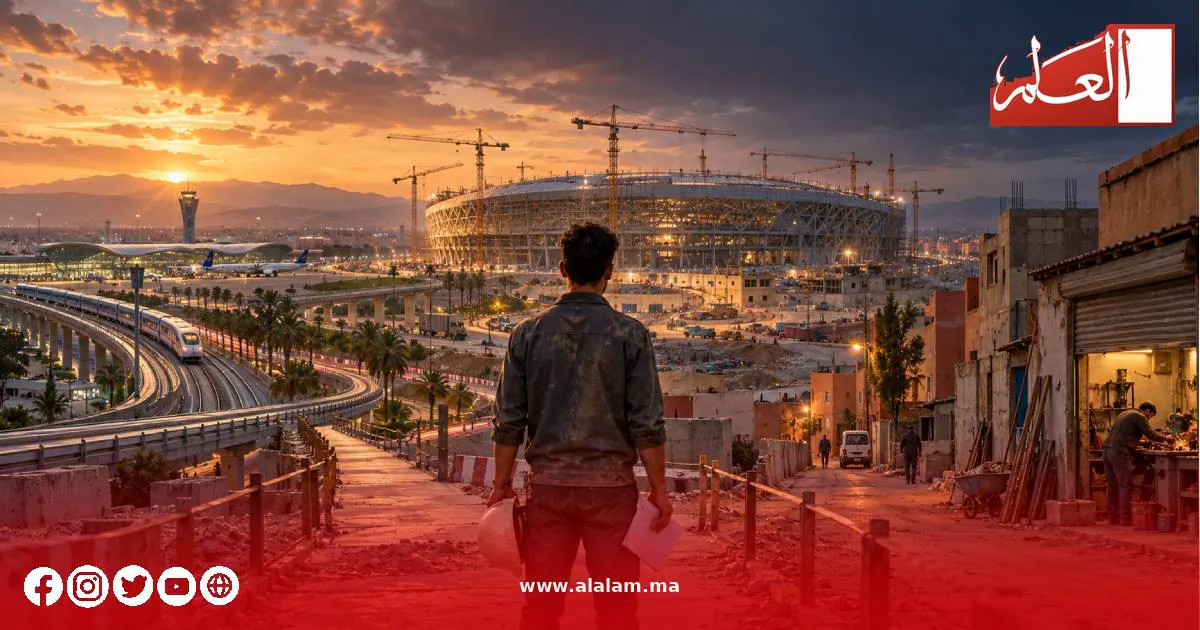
Morocco is rapidly advancing its infrastructure development in preparation for the 2030 World Cup, with numerous large-scale projects underway. The government has allocated significant funds for the construction of new stadiums, expansion of airports, and improvement of transportation networks. A total investment of 38 billion dirhams has been earmarked for airport development between 2025 and 2030, while 96 billion dirhams will be spent on railway projects, including a high-speed line between Kenitra and Marrakech.
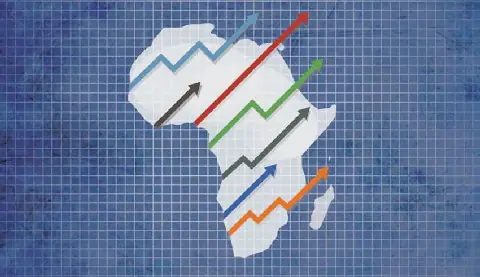
The International Monetary Fund (IMF) forecasts that Morocco's economy will grow by 4.4% in 2026, driven in part by strong public investment in infrastructure. However, the IMF also emphasizes the need for sustainable job creation, with unemployment expected to remain high at around 12.3% in 2026. Youth unemployment is a particular concern, with 37.3% of young people aged 15-24 expected to be unemployed in 2025.
The Moroccan government has framed the World Cup as an opportunity to accelerate growth and create jobs, but critics argue that the benefits must be carefully measured and distributed. The government has announced plans to invest in various sectors, including healthcare, education, and telecommunications, but there are concerns that the majority of benefits may not reach ordinary Moroccans.
To ensure that the investments yield long-term benefits, there is a growing call for greater transparency and accountability in the management of World Cup-related projects. This includes tracking the number of jobs created, the involvement of local businesses, and the impact on regional development. A national dashboard to monitor progress and provide regular updates to the public has been proposed.
The success of Morocco's World Cup bid has raised concerns that the government's priorities may be skewed towards showcasing its capabilities rather than addressing the country's deeper economic and social challenges. With billions of dirhams being spent on infrastructure projects, there is a risk that the investments may not yield sustainable benefits for the broader population.
The next Moroccan government will inherit a significant responsibility in managing the country's World Cup preparations, which will be a critical test of its ability to balance competing priorities and ensure that the investments yield long-term benefits. The government will need to navigate complex issues, including procurement, corruption, and regional disparities.
Ultimately, the success of Morocco's World Cup preparations will depend on its ability to translate the investments into sustainable economic growth, job creation, and improved living standards for its citizens. The country's experience will provide valuable lessons for future international events and demonstrate its capacity to host major events while driving long-term development.
Key points
- The Moroccan government faces a significant challenge in ensuring that the investments in World Cup infrastructure yield sustainable benefits for the broader population.
- Transparency and accountability will be crucial in managing the large-scale investments and ensuring that the benefits are equitably distributed.
- The success of Morocco's World Cup preparations will depend on its ability to balance competing priorities and drive long-term economic growth and job creation.