The Moroccan government's 2027 budget for the culture sector has been set at 1.283 billion dirhams, with half of it allocated for investment. The budget will focus on three main areas: developing cultural infrastructure, preserving cultural heritage, and supporting artists and creators. This move is part of the government's strategy to promote Morocco's cultural and historical image, particularly with the country set to host the 2030 World Cup.
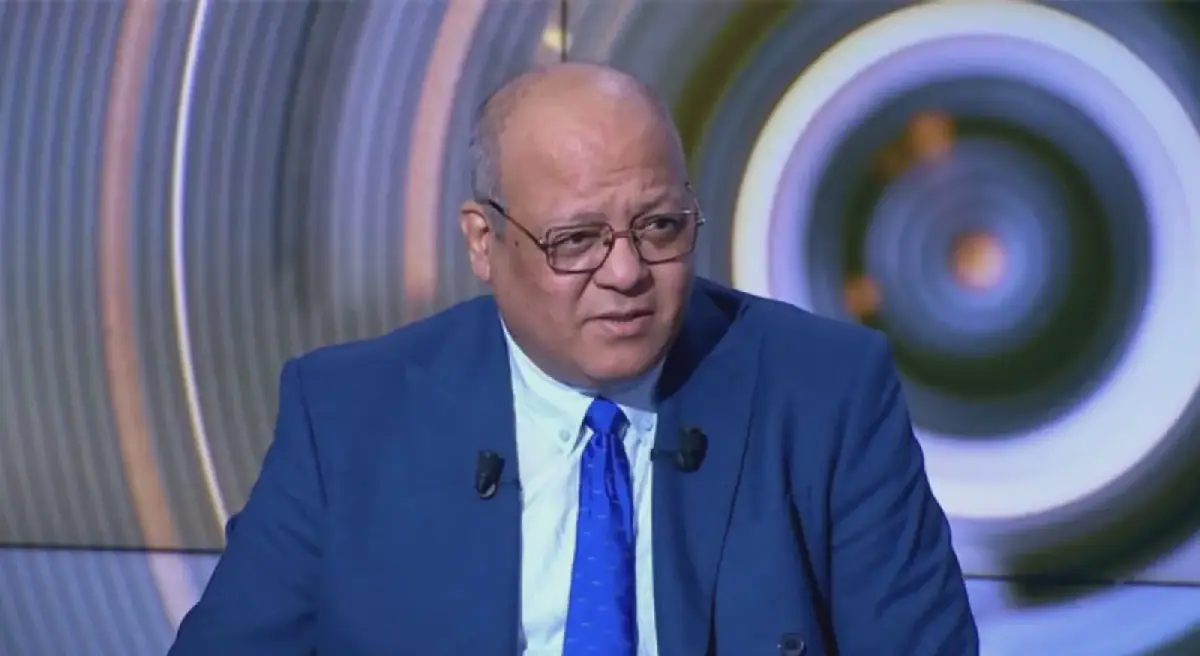
Ahmed Daffri, a culture and arts expert, has praised the government's program, saying it provides a strategic foundation for promoting Morocco's cultural and historical image. He highlighted the importance of developing cultural infrastructure, including the construction of the National Museum of Archaeology and Earth Sciences in Rabat. The museum is expected to become a cultural landmark, showcasing Morocco's rich history and archaeological discoveries.
Daffri also emphasized the significance of preserving Morocco's cultural heritage, including its ancient cities and historical sites. He mentioned the ongoing restoration projects in cities such as Rabat, Taroudant, and Taza, as well as the development of the Jebel Ghmil cave in the Eastern region, which features ancient rock inscriptions dating back 12,000 years. These projects aim to promote cultural tourism and preserve Morocco's rich cultural heritage.
The expert also stressed the importance of integrating tangible and intangible heritage, citing the example of the Jemaa el-Fnaa square in Marrakech. He emphasized that preserving these cultural spaces requires not only aesthetic improvements but also cultural and tourist activities that bring them to life. This approach aims to create vibrant cultural hubs that attract visitors and promote local development.
Daffri also highlighted the need to make culture and reading more accessible to citizens, particularly in rural areas. He noted that the current program aims to reduce cultural disparities between urban and rural areas by developing cultural infrastructure and promoting reading and cultural activities among children, young people, and women.
The expert emphasized that supporting artists and creators is crucial to the success of cultural projects. He noted that the precarious social and professional situation of some artists, as well as limited access to healthcare and services, can hinder the achievement of cultural goals. Therefore, it is essential to implement measures to improve the social and professional situation of artists and creators.
Finally, Daffri stressed the importance of adapting to digital transformations in the cultural sector. He emphasized the need to train professionals who can effectively use digital platforms and social media to promote Moroccan cultural products and showcase the country's cultural heritage to a global audience. This approach aims to enhance Morocco's cultural presence and competitiveness in the international arena.
Key points
- The 2027 budget for Morocco's culture sector is set at 1.283 billion dirhams, with a focus on developing cultural infrastructure, preserving heritage, and supporting artists.