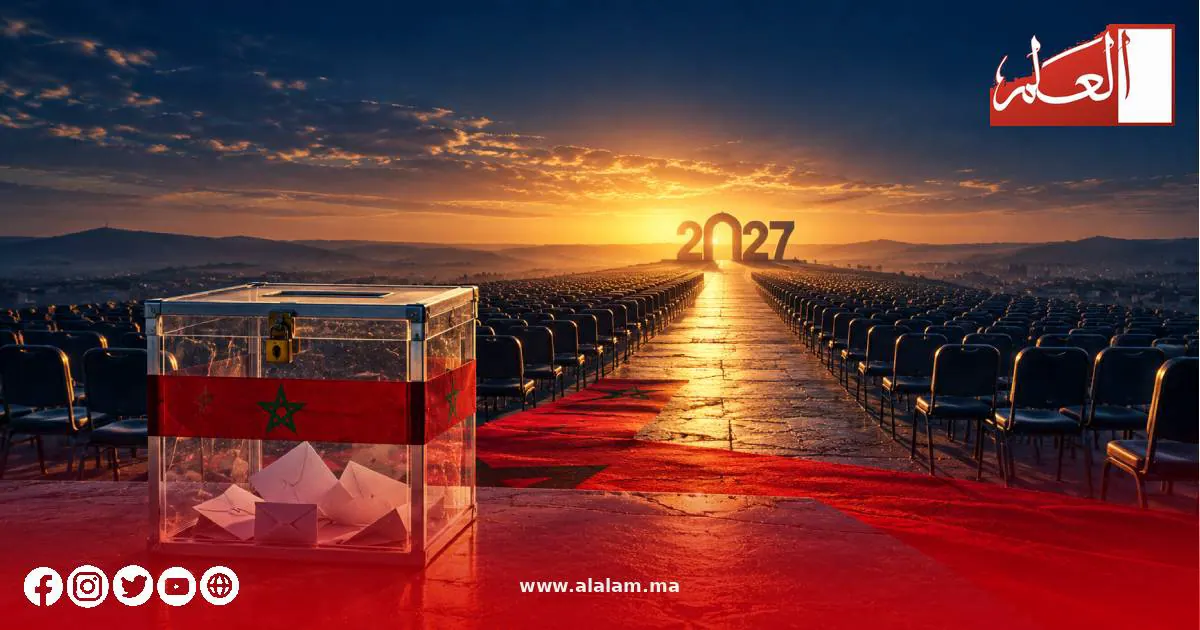
Morocco's 2026 parliamentary elections saw a significant decline in voter turnout, with only 38.02% of registered voters casting their ballots. This represents a 12.16 percentage point drop from the 2021 elections, which had a turnout of 50.18%. The decline in voter participation has raised concerns about the legitimacy and representativeness of the elected government. According to Amina Bouaich, head of the National Human Rights Council, the low turnout is an alarm bell for elected institutions, highlighting the need for them to reassess their activities, discourse, and working methods.
The low voter turnout has sparked a national conversation about the state of Morocco's democracy and the relationship between citizens and their elected representatives. Many are questioning the factors that contributed to the decline in voter participation, including the role of political parties, the electoral system, and the level of civic engagement. The National Human Rights Council's observation of the elections, which covered over 8.9% of voting stations, found that the polling process was generally smooth, but noted instances of irregularities that were addressed.
One of the key challenges facing Morocco's democracy is the disconnection between citizens and their elected representatives. Many Moroccans feel that their voices are not being heard and that their elected officials are not responsive to their needs. This perception is fueled by a lack of transparency and accountability in government, as well as a sense that elected officials are more focused on maintaining their power and privilege than on serving the public interest.
To address the decline in voter turnout, many are calling for reforms to the electoral system, including measures to make voter registration more accessible and convenient. Currently, voter registration is a manual process that requires citizens to actively register on electoral lists. Some argue that this process can be cumbersome and may discourage some citizens from participating. The National Human Rights Council has recommended that the government consider making voter registration more automatic and inclusive.
Another factor contributing to low voter turnout is the perception that money plays a significant role in Moroccan politics. Many citizens feel that the electoral process is tainted by corruption and that elected officials are beholden to special interests rather than the public interest. To address this, there is a need for greater transparency and accountability in campaign financing, as well as measures to prevent the undue influence of money in politics.
The decline in voter turnout has significant implications for Morocco's democracy and its development. Low voter turnout can lead to a lack of legitimacy and representativeness in government, which can undermine trust in institutions and create social unrest. To address this, there is a need for a national conversation about the state of Morocco's democracy and the ways in which it can be strengthened.
Ultimately, the low voter turnout in Morocco's 2026 parliamentary elections is a wake-up call for the government, political parties, and civil society. It highlights the need for reforms to the electoral system, greater transparency and accountability in government, and a renewed focus on civic engagement and participation. By working together, Morocco can build a more inclusive and representative democracy that reflects the needs and aspirations of all its citizens.
Key points
- The low voter turnout in Morocco's 2026 parliamentary elections has significant implications for the country's democracy and its development.
- The decline in voter participation has raised concerns about the legitimacy and representativeness of the elected government.
- To address the decline in voter turnout, there is a need for reforms to the electoral system, greater transparency and accountability in government, and a renewed focus on civic engagement and participation.