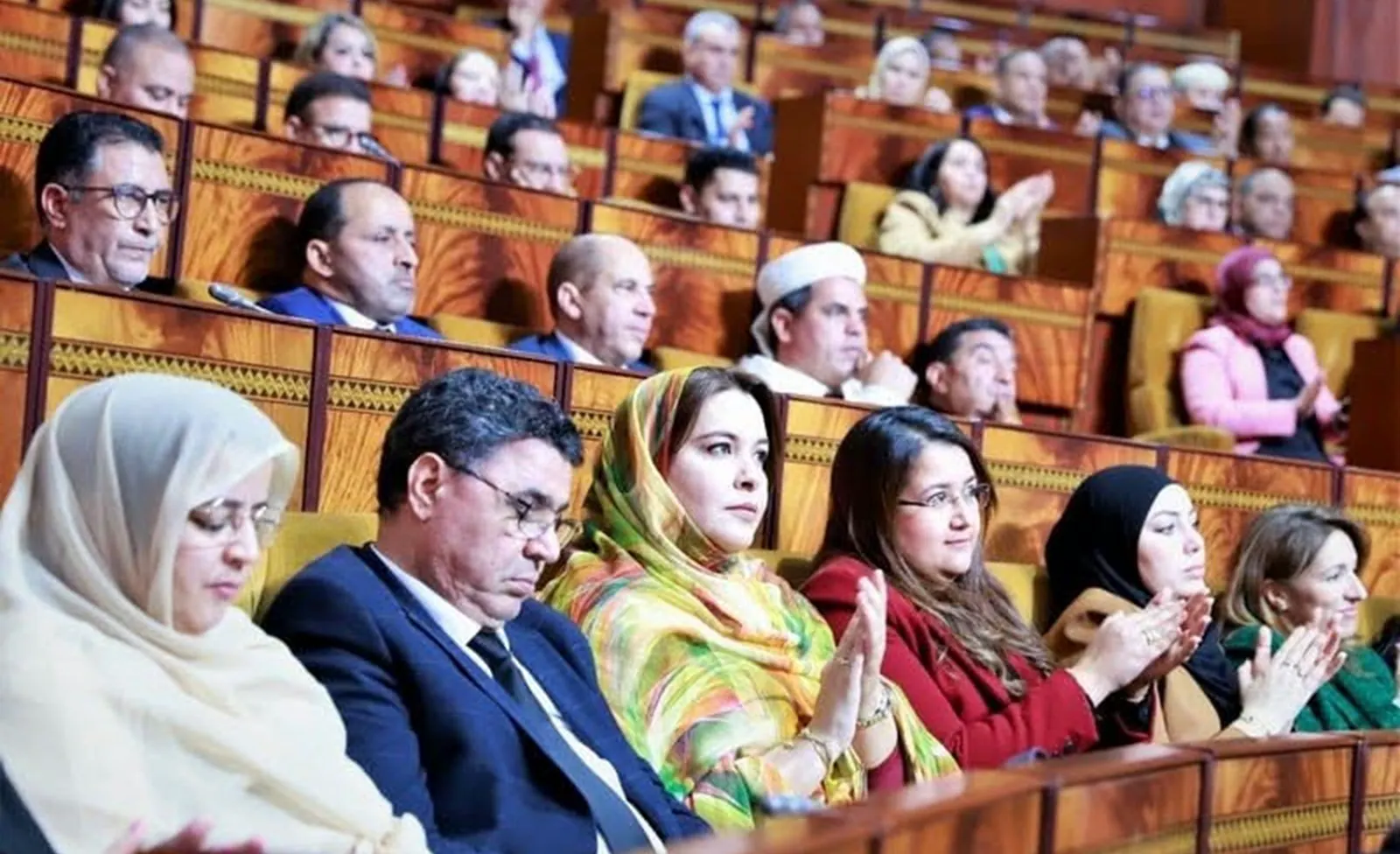
Morocco's 2026 legislative elections have witnessed a notable increase in female representation in parliament. A total of 107 women have been elected, accounting for 27% of the 395 available seats. This marks an improvement from the previous elections in 2021, where women held 96 seats. The increase is attributed to a rise in women winning seats in local constituencies.
The number of women elected through local constituencies has increased significantly, from 6 in 2021 to 17 in 2026. In contrast, the number of seats allocated to women through the regional list system has remained steady at 90. This shift indicates a positive trend towards greater female participation in Moroccan politics. Women now hold 90 seats in the regional list system and 17 seats in local constituencies.
According to the Ministry of Interior, women made up 36.47% of all candidatures, with 2658 female candidates out of a total of 7288. In local constituencies, women led 121 lists out of 1615, but only 17 of these lists resulted in a seat in parliament. The successful female candidates in local constituencies represent eight different political parties.
The distribution of the 17 female seats won in local constituencies is as follows: the Authenticity and Modernity Party has 7 seats, the National Rally of Independents has 4 seats, and the Independence, Justice, and Development Party, the Popular Movement, the Socialist Union of Popular Forces, the Progress and Socialism Party, and the Left Alliance each have one seat.
Despite the increase in female representation, concerns remain about the limited presence of women in local politics. The majority of women in parliament, 90 out of 107, were elected through the regional list system, while only 17 were elected directly from local constituencies. This has sparked debate about the role of political parties in promoting female candidates.
Analysts point to the persistence of patriarchal attitudes within some political parties and the electorate as a challenge to increasing female representation. Some parties are seen as favoring male candidates, who are perceived as more effective in securing votes. Additionally, some voters may view men as more capable of delivering on electoral promises.
The increase in female representation in parliament is a positive step towards greater gender equality in Moroccan politics. However, further efforts are needed to address the underrepresentation of women in local politics and to promote a more inclusive and representative electoral process.
Key points
- Women now hold 27% of seats in Morocco's parliament, up from 24.3% previously.
- Only 17 women were directly elected to parliament from local constituencies.
- The Authenticity and Modernity Party has the highest number of female representatives in parliament with 7 seats.