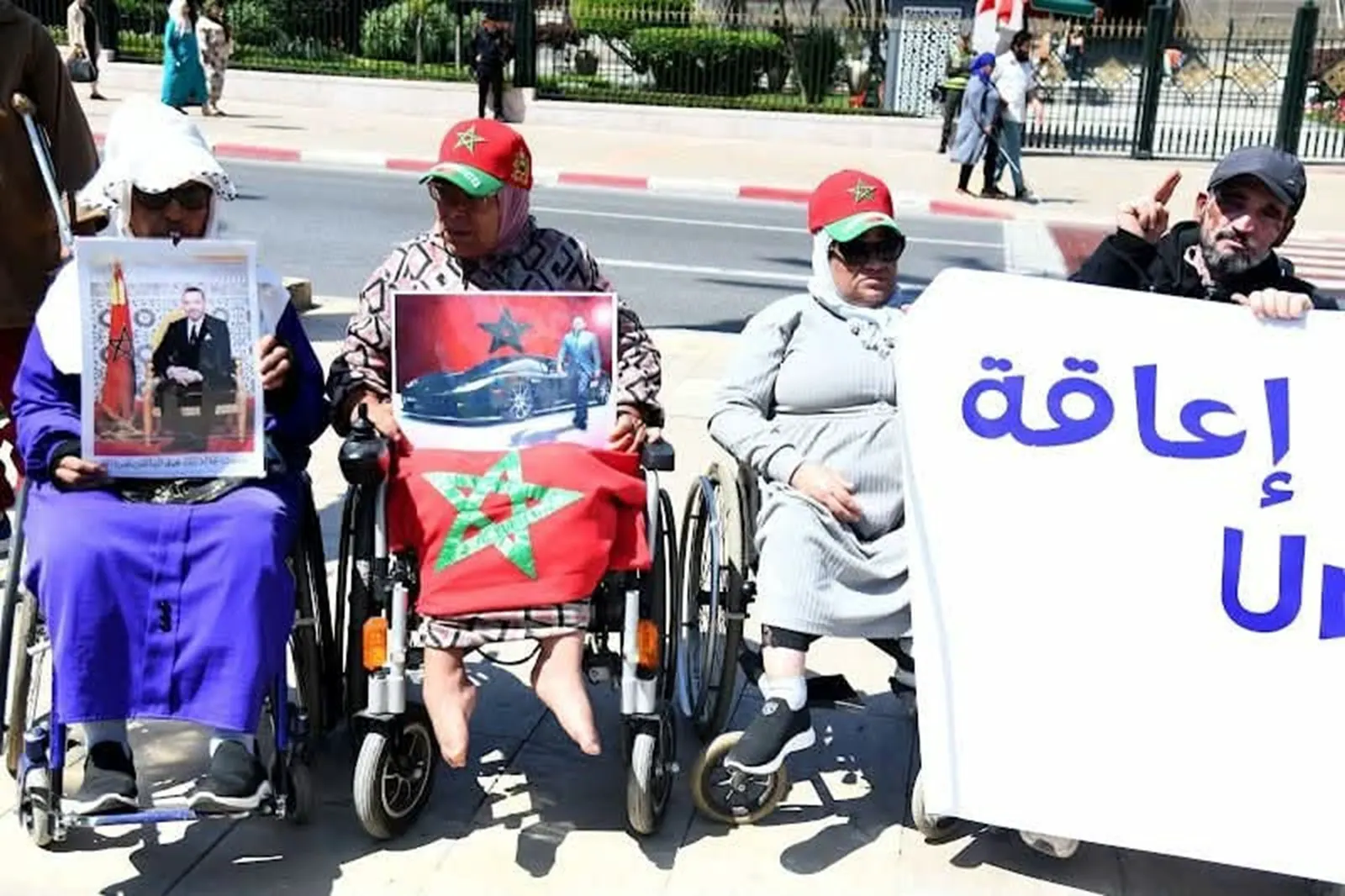
The Moroccan Organization for the Rights of People with Disabilities has reported a near-total absence of women with disabilities in the 2026 legislative election candidacies. According to the organization's preliminary findings, only 10 candidates with disabilities have run nationwide, including 3 women. In the Casablanca-Settat region, only 4 candidates with disabilities have run, all of whom are men.
The organization has also found that the programs of 17 political parties were analyzed, and only 7 parties included clear references to disability issues and the rights of people with disabilities. The organization noted that there was a weak presence of disability issues and rights in the electoral programs. The parties' approaches to these issues varied, with some addressing them from a rights perspective and others from a management and public policy perspective.
The organization reported a decline in participation levels at various stages of the electoral process in the Casablanca-Settat region, particularly among citizens with disabilities. This decline was attributed to ongoing institutional barriers and procedures that limit the ability of people with disabilities to exercise their political rights fully. The organization also observed an increase in digital political violence against female candidates on social media and the internet.
Women with disabilities are particularly vulnerable to what the organization described as "compound violence," which combines discrimination based on gender and stigma associated with disability. On election day, observers noted inadequate architectural and logistical accessibility in many polling stations in the Casablanca-Settat region, with some centers lacking these facilities entirely.
The organization received complaints from citizens with disabilities who faced difficulties accessing registration or voting due to a lack of digital and physical accessibility. The organization emphasized that enabling people with disabilities to participate in the political process is not a privilege but a right that must be guaranteed legally and institutionally.
The organization called on political parties to review their endorsement and electoral support methods to ensure greater participation by people with disabilities and women in general in the electoral lists. They stressed that political participation should include all segments of society. The organization's findings highlight the need for greater inclusivity and accessibility in Morocco's electoral process.
The organization's report underscores the importance of ensuring that people with disabilities can participate fully in the political process. They argue that accessibility is not an administrative choice but a constitutional right and a legal obligation. The report's findings and recommendations aim to promote greater inclusivity and participation in Morocco's democratic process.
Key points
- Only 10 candidates with disabilities have run in the 2026 legislative elections nationwide, including 3 women.
- The organization reported a decline in participation levels among citizens with disabilities in the Casablanca-Settat region.
- The organization called on political parties to review their endorsement and electoral support methods to ensure greater participation by people with disabilities.