Morocco conducted its parliamentary elections on September 23, 2026, under normal circumstances, according to the Ministry of Interior. The elections were prepared in a series of legislative and organizational reforms aimed at improving the quality of the electoral process, promoting political life, and enhancing transparency and integrity. The results showed that the Authenticity and Modernity Party (PAM) came in first with 97 seats, followed by the National Rally of Independents (RNI) with 66 seats, the Independence Party with 65 seats, and the Justice and Development Party (PJD) with 54 seats.
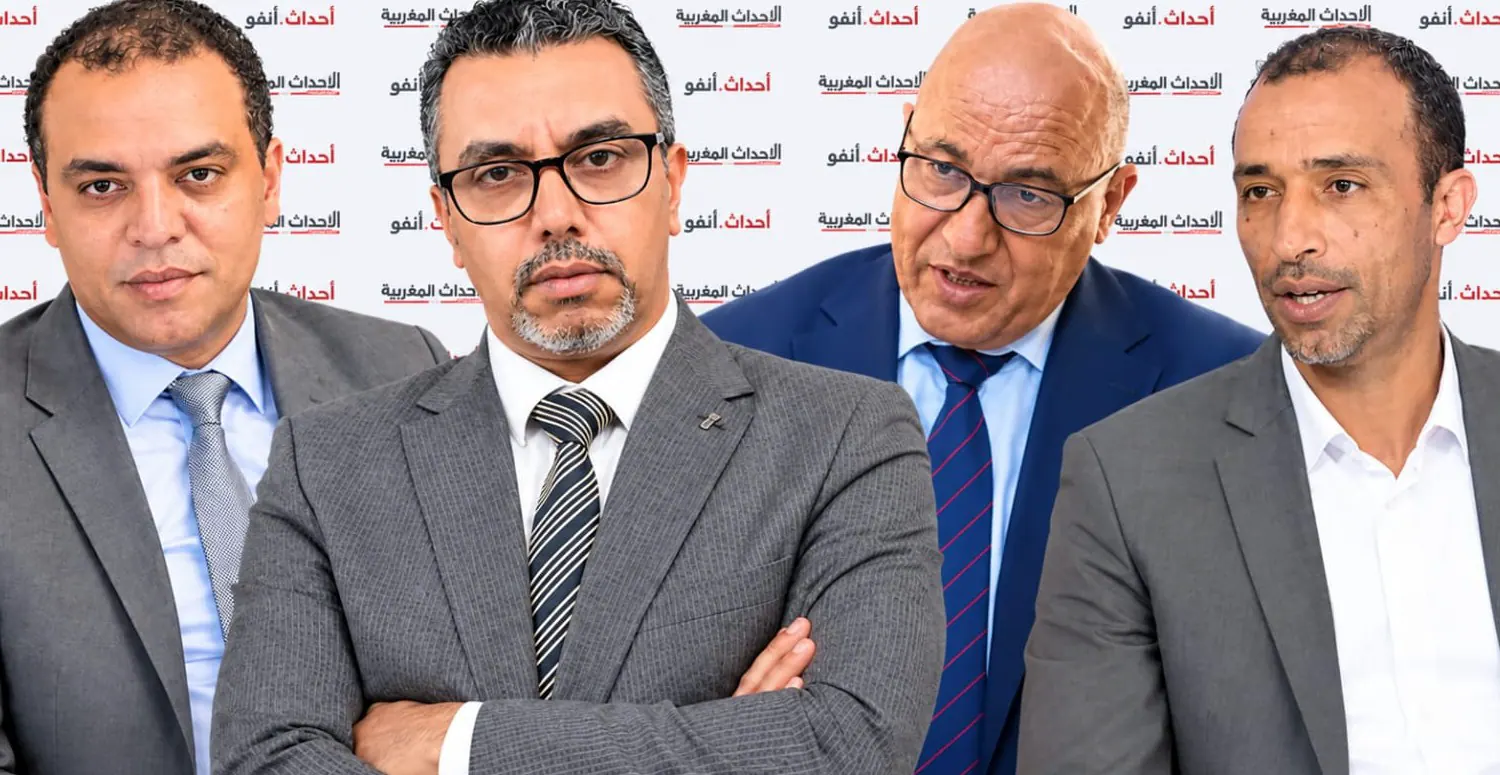
According to Ayman Haddad, a doctor in public law and political science, the results of the 2026 elections do not only indicate which party came in first but also reveal the new parliamentary map and the redistribution of power among political actors. He noted that the results did not produce a parliamentary majority for a single party, with the leading party representing only about a quarter of the members of the House of Representatives. The top four parties together hold 282 seats out of 395, making the post-election phase dependent on negotiation and coalition-building.
Haddad also highlighted that the 2026 elections showed a reordering of positions compared to the 2021 elections. The PJD saw a significant increase from 13 to 54 seats, while the RNI experienced a substantial decline from 102 to 66 seats. The PAM gained 10 seats. These numbers indicate that Moroccan voters redistributed their trust without giving a single party a comfortable parliamentary mandate. The voter turnout was 38.08%, compared to 50.86% in 2021, which should be concerning for the political class.
According to the Constitution, the process of forming a government begins with the provisions of Article 47, which states that the King appoints the head of government from the political party that came in first in the elections. However, this appointment does not conclude the equation of forming a government, as Article 88 makes the investiture of the government conditional on its program obtaining the trust of the absolute majority of the members of the House of Representatives.
Rachid Lzarq, a professor of political science at Mohammed V University in Rabat, noted that the results of the September 23 elections showed a shift in the balance of power without a complete alternation between the majority and the opposition. He emphasized that the formation of a government will remain governed by the logic of coalition and negotiation, as no party obtained an absolute majority. The most likely scenario, according to Lzarq, is the reconstitution of the previous majority of PAM, RNI, and Independence Party, with a total of 228 seats, but led by the PAM.
Lzarq also discussed other possible scenarios, including a coalition of PAM, Independence Party, and PJD, which would provide a majority of 216 seats. However, he noted that this coalition may be less likely due to the potential for scattered decision-making and the difficulty of building a coherent government program. The elections have opened a new political phase that may be more complex, with high social and economic expectations.
The 2026 elections have significant implications for Morocco's future, with the King's appointment of the head of government and the formation of a new government. The results reflect a shift in the balance of power, with the PAM emerging as a leading party. The coming days will be crucial in determining the nature of the majority and the opposition, and the government's ability to address the country's social and economic challenges.
Key points
- The 2026 Moroccan parliamentary elections resulted in a shift in the balance of power, with the Authenticity and Modernity Party (PAM) emerging as the leading party with 97 seats.
- The elections did not produce a parliamentary majority for a single party, making coalition-building and negotiation crucial for forming a government.
- The voter turnout was 38.08%, compared to 50.86% in 2021, which may be concerning for the political class.