Morocco's achievement in the 2022 FIFA World Cup has invited a question that reaches far beyond football: what becomes possible when we stop ruling ourselves out? The team's journey, led by coach Walid Regragui, was marked by a transformation in mindset and approach, overcoming intimidation and developing a collective belief in their ability to compete. This mindset matters far beyond football, as it has implications for education, research, and personal ambitions.
Regragui had taken charge of the national team less than three months before the tournament, yet Morocco topped a group that included Croatia and Belgium, knocked out Spain on penalties, and beat Portugal to become the first African and Arab nation to reach the semi-finals of the men's World Cup. The team's success has been attributed to a combination of strategic preparation, discipline, and collective effort. This approach has inspired reflection on the power of achievement to change what we believe is possible.
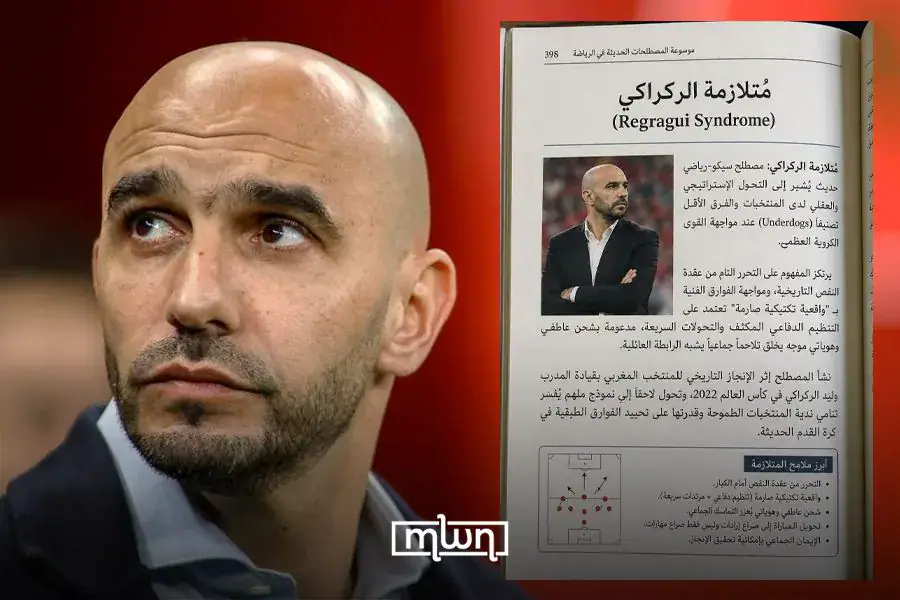
The concept of "Regragui Syndrome" has been coined to describe the transformation in mindset and approach of less favoured teams when facing powerful opponents. While the term's accuracy is uncertain, the hidden message behind it - the transformation of mindset - is significant. Morocco's journey has shown that when someone achieves what we once considered impossible, our understanding of possibility changes.
Psychologist Albert Bandura's concept of vicarious experience suggests that watching others succeed strengthens our belief that we can succeed too, especially when those others are like us. Morocco's players were not distant icons from another world; they were ours. This is why their achievement has resonated with so many Moroccans and football fans around the world.
The lesson from Morocco's journey extends naturally to education, where seeing a classmate or peer master a demanding skill can make progress feel more reachable. Teachers can help students turn possibility into purposeful action by inviting them to examine the process behind successful work and identify a step they can take themselves.
Morocco's achievement also highlights the importance of shared belief and emotional bonds in achieving demanding goals. The team's success was marked by a strong sense of unity and trust among players, as well as strategic preparation. This combination is essential in any setting, including schools and research projects, where shared commitment and constructive feedback are crucial.
Ultimately, Morocco's 2022 World Cup run serves as a reminder that progress is not reserved for others. If someone has achieved what we once considered impossible, then it is possible for us too. The team's achievement invites us to reflect on our own ambitions and consider how we can approach them with purpose, organisation, and belief in our collective ability.
Key points
- Morocco's 2022 World Cup run has inspired reflection on the power of achievement to change what we believe is possible.
- The team's success has been attributed to a combination of strategic preparation, discipline, and collective effort.
- Morocco's achievement highlights the importance of shared belief and emotional bonds in achieving demanding goals.
Reporting sources
- Read article: When Achievement Becomes Evidence of Possibility · Morocco World News