The Ministry of Health and Social Protection in Morocco has reported that approximately 2.7 million adults in the country live with diabetes, which represents 10.6% of the population aged 18 and above. This data was obtained from the "2017-2018 National Survey on Common Risk Factors for Noncommunicable Diseases". The survey also found that 10.4% of adults had prediabetes, a condition that increases the risk of developing type 2 diabetes.
The Health Ministry has warned that delayed diagnosis of diabetes increases the risk of serious complications, including blindness, kidney failure, amputations, strokes, and heart attacks. The disease also carries a significant financial burden, with annual diabetes-related healthcare spending exceeding MAD 1.5 billion in 2021, according to the National Health Insurance Agency (ANAM). The average yearly growth in spending has surpassed 10%.
Globally, more than 589 million adults live with diabetes, according to international estimates. This number is expected to reach 853 million by 2050, with 43% of people with the condition unaware that they have it. Diabetes remains among the world's ten leading causes of death. In Morocco, 43,000 children also live with the disease, highlighting the need for early diagnosis and treatment.
The Health Ministry has chosen "Act Early Against Diabetes to Protect Your Health" as this year's World Diabetes Day theme, focusing on early diagnosis and treatment. The ministry aims to prevent medical emergencies, particularly diabetic ketoacidosis among children and adolescents, and reduce long-term complications. The national diabetes program operates through primary healthcare centers and regional facilities, combining screening, prevention, patient education, medical follow-up, and training for healthcare professionals.
The Moroccan government is pursuing broader healthcare reforms, including upgrading primary healthcare centers and renovating hospitals. On November 5, Health Minister Youns Bjijou presented the proposed 2027 health budget of MAD 45.4 billion, compared with MAD 42.4 billion in 2026. The proposal includes 8,000 positions, including 2,600 for territorial health groups.
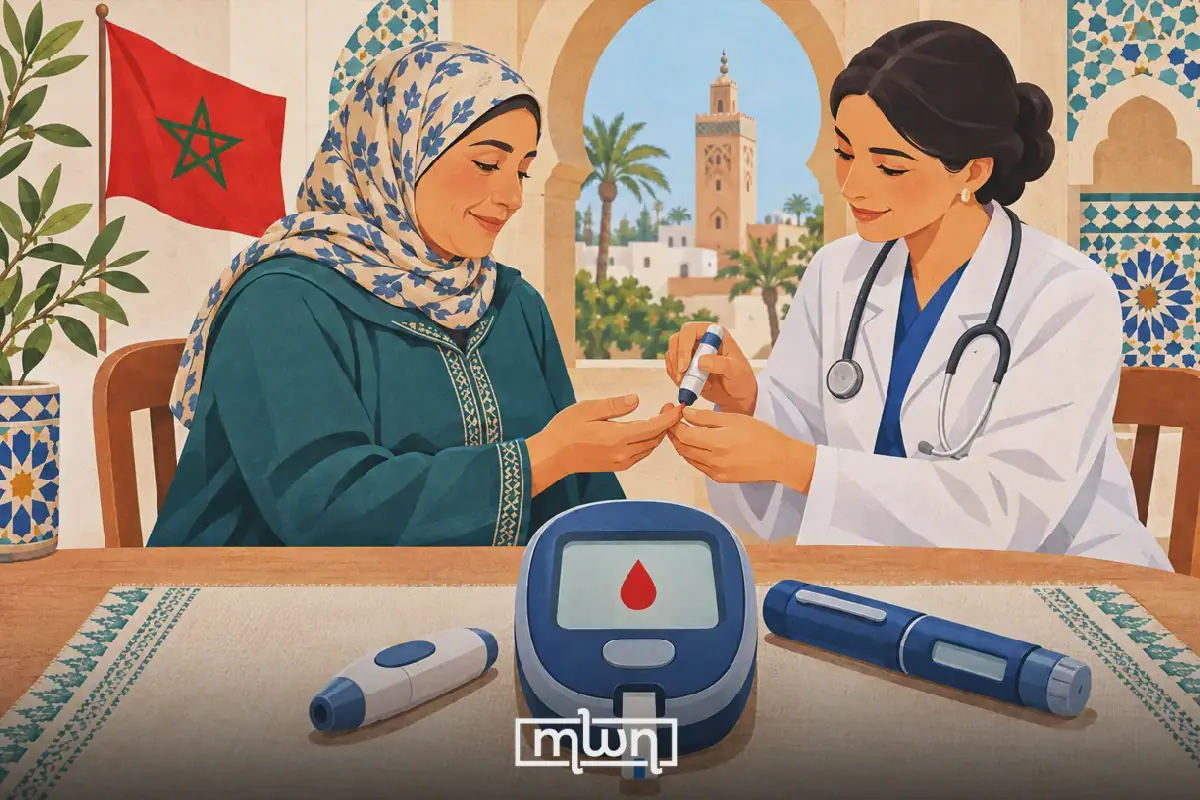
The ministry is calling on citizens to watch for warning signs of diabetes, including persistent thirst, frequent urination, unexplained weight loss, severe fatigue, physical weakness, and blurred vision. Anyone experiencing these symptoms is advised to consult a doctor or visit the nearest healthcare facility without delay. The ministry has pledged to continue working with healthcare professionals, civil society, and other partners to improve prevention, ensure affordable care, and strengthen diabetes management nationwide.
The government's efforts to improve healthcare services include allocating extra funds to healthcare reforms in 2027. The ministry's national diabetes program aims to reduce the burden of diabetes and improve the quality of life for those affected. By working together, the government and its partners hope to make a positive impact on the lives of millions of Moroccans living with diabetes.
Key points
- Nearly half of adults with diabetes in Morocco are unaware of their condition.
- The disease carries a significant financial burden, with annual diabetes-related healthcare spending exceeding MAD 1.5 billion in 2021.
- The government is pursuing broader healthcare reforms, including upgrading primary healthcare centers and renovating hospitals.