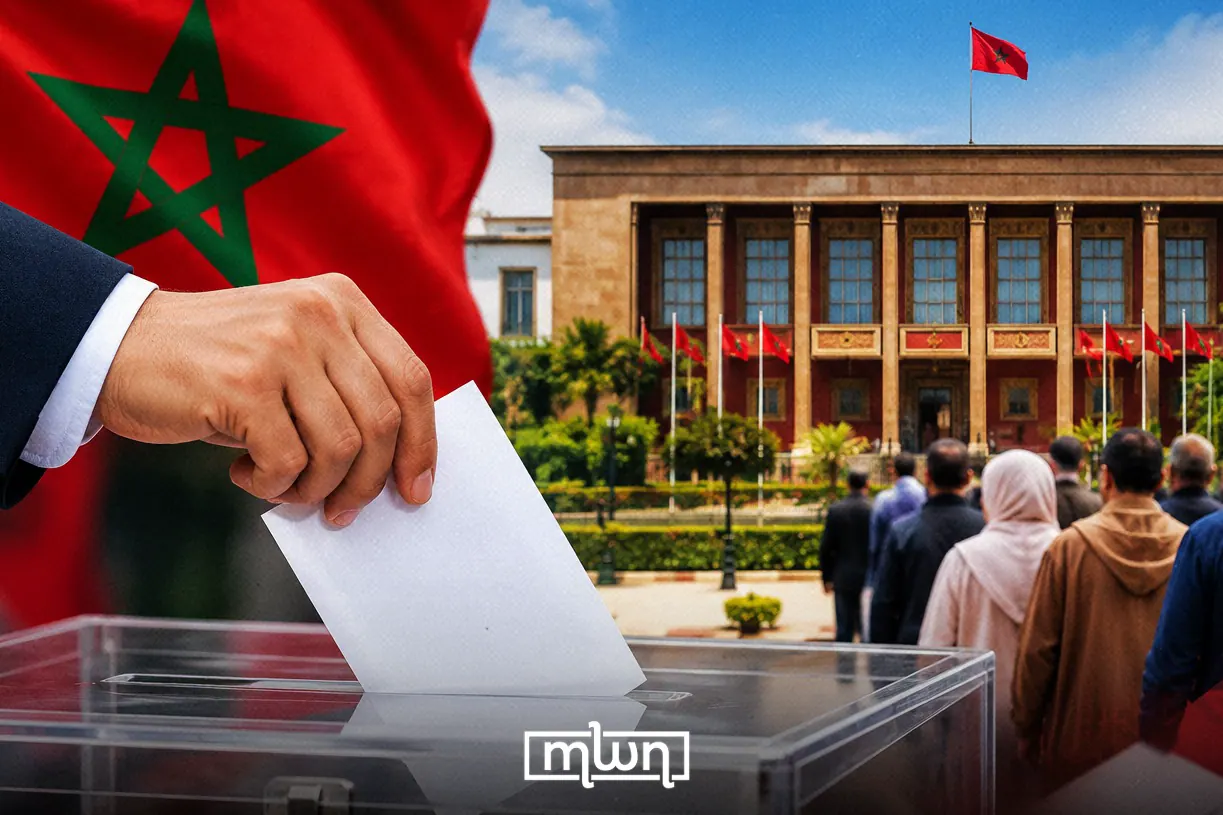
Moroccans went to the polls on September 23 to elect members of the House of Representatives, the lower chamber of Parliament. The election will determine the composition of the chamber for the next legislative term and shape the political landscape as Morocco moves toward the formation of a new government. The House of Representatives plays a central role in Morocco's legislative process, debating and adopting laws, scrutinizing government action, and taking part in the parliamentary process alongside the House of Councillors.
The Ministry of Interior reported that voting opened at 8 a.m. at polling stations across Morocco's prefectures, provinces, and prefectural districts. The ministry said the vote began under normal conditions nationwide, with representatives of candidate lists present at polling stations for both local and regional electoral constituencies. This ensured a transparent and fair electoral process.
The national voter turnout stood at 4.23% by 10 a.m., two hours after polls opened, according to the Ministry of Interior. This figure provides an early snapshot of participation and does not reflect the final turnout for the election. Further participation figures are expected as voting continues, followed by the counting of ballots and the announcement of election results.
Candidates are competing for parliamentary seats through local and regional electoral constituencies. Political parties and electoral lists have campaigned in the lead-up to the vote, presenting their programs and seeking support from voters across the country. The legislative elections mark an important point in Morocco's political calendar, as the country prepares to establish a new House of Representatives.
The House of Representatives has 395 members, who are elected by direct universal suffrage for a five-year term. The election is a significant event in Morocco's democratic process, with voters casting their ballots at polling stations assigned to their electoral registration. The results will have a lasting impact on Morocco's politics and government.
The Ministry of Interior is responsible for overseeing the electoral process, ensuring the integrity and transparency of the vote. The ministry's efforts aim to maintain public trust in the electoral process and ensure that the results reflect the will of the Moroccan people. The legislative elections are a crucial step in Morocco's democratic development.
The 2026 legislative elections in Morocco are a key event in the country's political calendar, with significant implications for the country's future. The elections will determine the composition of the House of Representatives and shape the country's politics and government for the next legislative term.
Key points
- Morocco recorded a 4.23% national voter turnout by 10 a.m. on Wednesday in the 2026 legislative elections.
- The legislative elections will determine the composition of the House of Representatives and shape Morocco's politics and government.
- The elections are a significant event in Morocco's democratic process, with voters casting their ballots at polling stations assigned to their electoral registration.