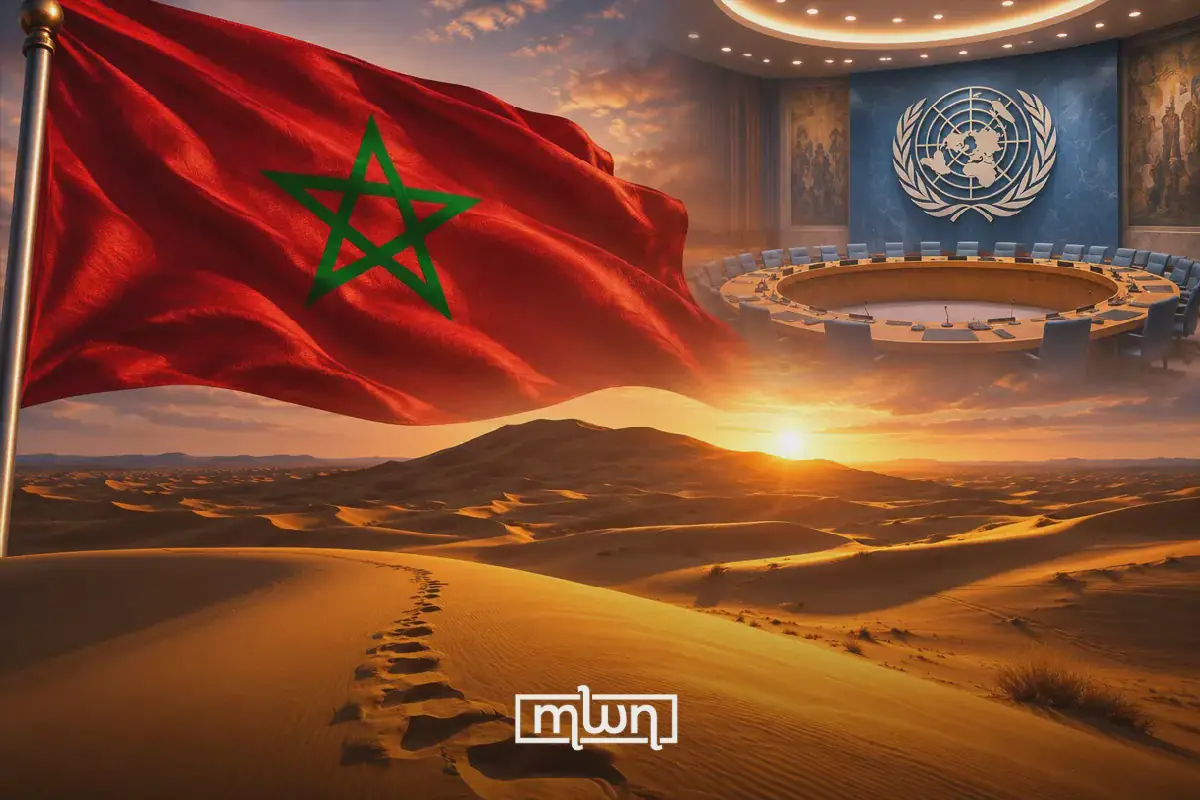
The Western Sahara dispute appears to be nearing its end, with Morocco seeking to reclaim the forgotten years of 1957 to 1965 in the debate over the historical status of its southern provinces. Following Morocco's commemoration of the Green March's 51st anniversary, there are growing calls for the country to take the Western Sahara issue to the UN General Assembly and secure the territory's removal from the list of Non-Self-Governing Territories.
According to Samir Bennis, author of two books on Western Sahara, the circumstances surrounding Western Sahara's inclusion on the UN list are widely misunderstood, even in Morocco. Bennis argues that the inclusion was not a diplomatic miscalculation on Rabat's part, but rather the result of sustained pressure Morocco put on Spain to end its occupation of the territory.
Morocco consistently maintained that Western Sahara, like Ceuta and Melilla, were Moroccan lands under Spanish occupation and expressed reservations about placing them on the list of Non-Self-Governing Territories. At a General Assembly meeting in October 1957, Morocco first voiced these reservations, reiterating them on several occasions in the following years.
Morocco's then Foreign Affairs Minister, Abdellatif Filali, first raised the issue before the Trusteeship Council in October 1957, and Morocco followed this first step by again raising the same issue before the General Assembly. The goal was to gain access to the only multilateral platform capable of internationalizing its claim.
Despite Morocco's efforts, Spain responded by enacting legislation in 1958 declaring Western Sahara, Sidi Ifni, Ceuta, and Melilla to be Spanish territories on the same footing as the provinces of mainland Spain. Morocco continued to exert diplomatic pressure, producing a near-consensus within the Special Committee, the Fourth Committee, and the General Assembly that Western Sahara was a bilateral sovereignty dispute between Morocco and Spain.
The General Assembly adopted Resolution 2072 in December 1965, its first resolution on the matter, which urged Spain to liberate Ifni and Spanish Sahara from colonial domination and enter into negotiations on the problems relating to sovereignty over the two territories.
The continued drawing of the wrong lesson from this historical context constitutes an overlooked paradox at the heart of much of the current debate. Understanding the accurate history will be essential as the UN-led process moves forward, deepening the irreversibility of Rabat's momentum with the demise of MINURSO.
Key points
- Morocco did not initiate the inclusion of Western Sahara on the list of Non-Self-Governing Territories, but rather exerted sustained pressure on Spain to end its occupation.